Why people actually stopped at our booth during the 2026 Printing Expo
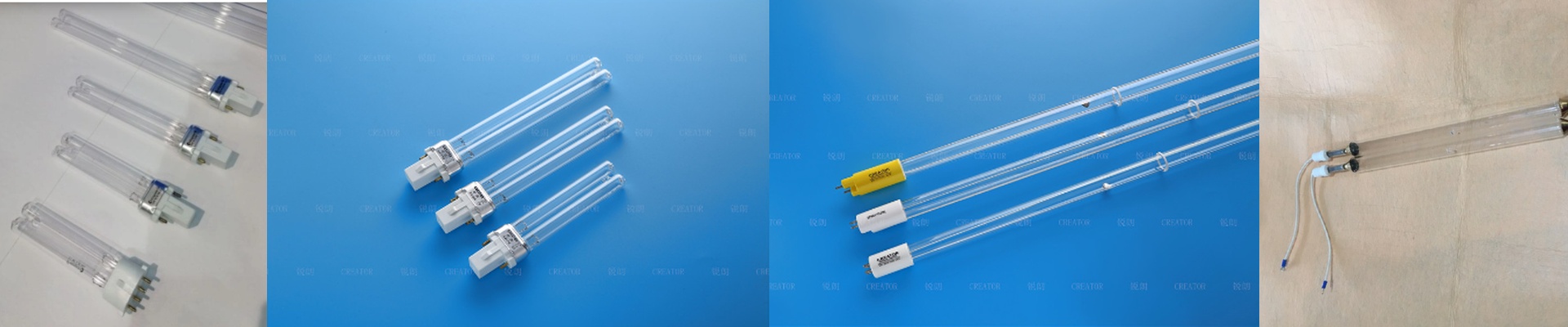
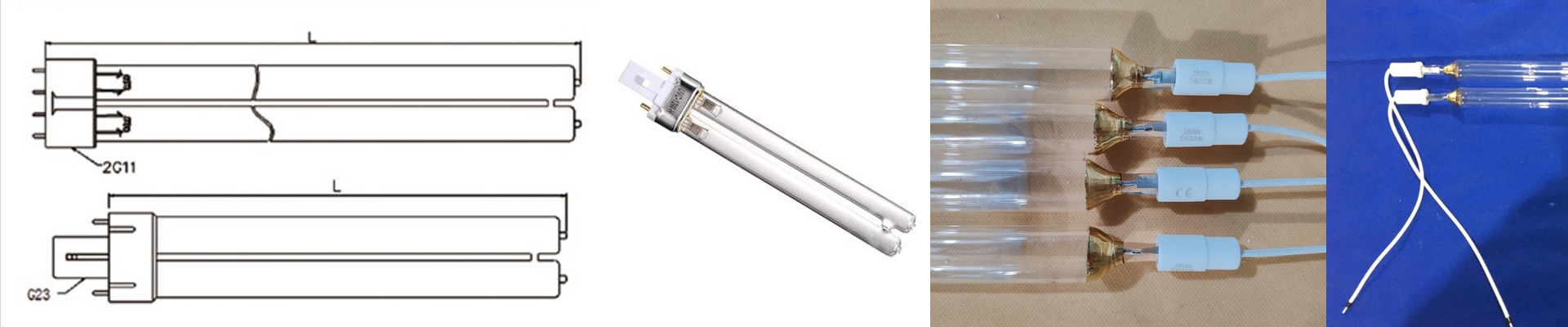
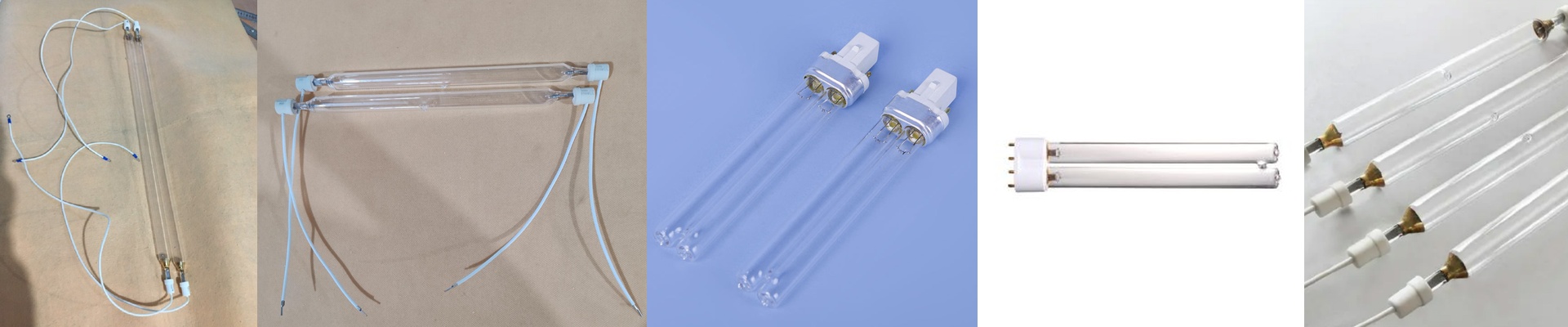
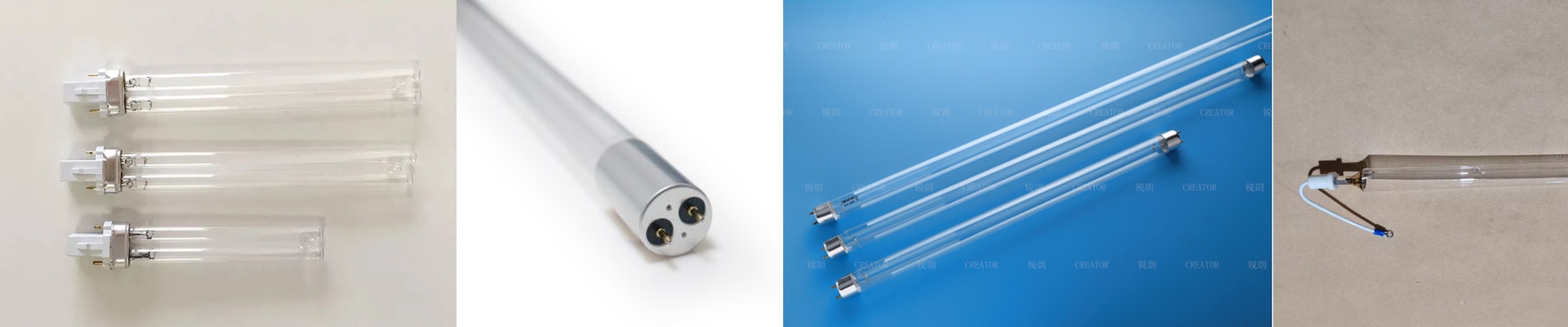
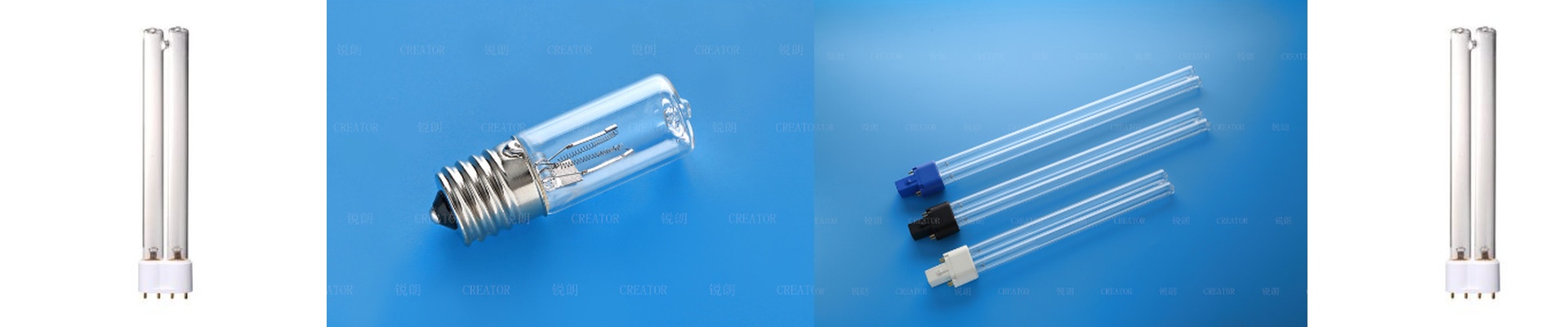
We didn’t show up to the expo with a fancy catalog or a bunch of generic brochures. Instead, we brought custom UV lamp modules built to fix one specific headache: those annoying curing bottlenecks that slow down high-speed printing lines.
Getting the physics right
Here’s the thing about off-the-shelf UV lamps—they usually just don’t keep up with the speed of the press. It’s frustrating. We do things differently. We build our modules around the actual photo-initiators in your ink. Whether you need shortwave to snap-cure the surface or longwave to get deep into the material, we tweak the wavelength and intensity so the ink sets before it has a chance to smudge. We also obsess over the wattage density. No “cold spots,” no random uncured patches on your substrate. Just a consistent, clean cure across the whole tube.
How they actually fit into your shop
These aren’t just bulbs you plug in; they’re full systems. We use high-purity quartz glass because it lets more UV through and keeps the heat from soaking into the glass. And for the folks running high-output lines? We add liquid-cooling jackets. It’s a lifesaver. It keeps your substrate from warping when things get hot. If you’ve already got a setup, these usually slide right in as drop-in replacements. But if your machine is cramped, we’ll just custom-build the housing to fit your specific chassis.
The tug-of-war: Power vs. Heat
There’s always a trade-off. High-intensity UV puts out a lot of heat. If you crank up the wattage to push your line speed faster, your cooling has to be able to keep up. If the airflow isn’t there or the chiller is struggling, the lamp overheats and your UV output drops. It’s a cycle that kills productivity. That’s why we sit down with you to find that sweet spot—balancing how fast you need to cure against what your conveyor belt can actually handle thermally. At the end of the day, engineers didn’t come to our booth for a sales pitch. They came for the raw numbers: mW/cm² and curing seconds. They want hardware that actually does what it says it will.