Why “Off-the-Shelf” UV Lamps Usually Fail You
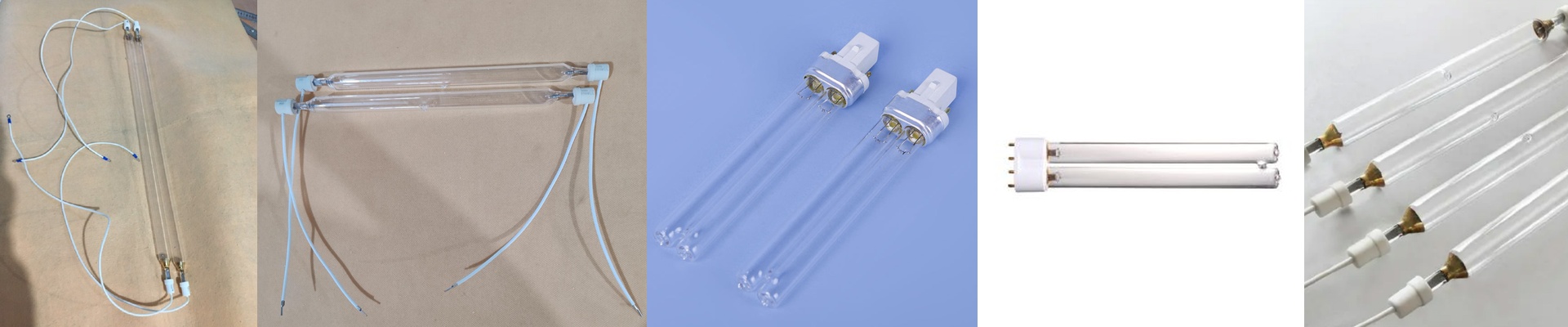
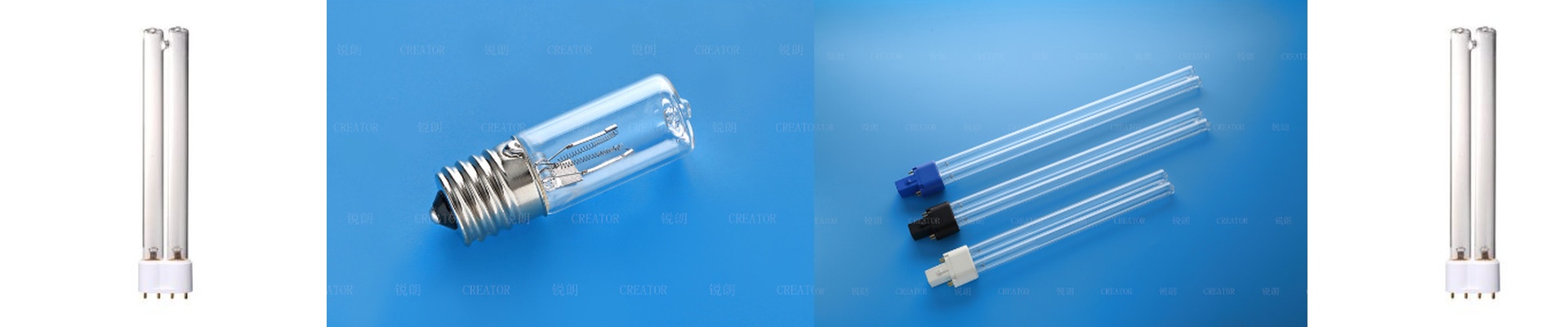
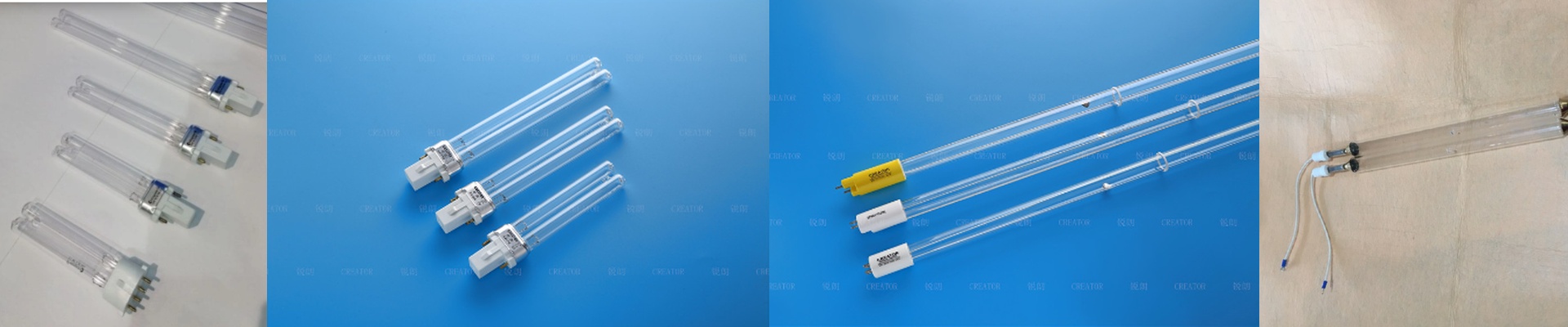
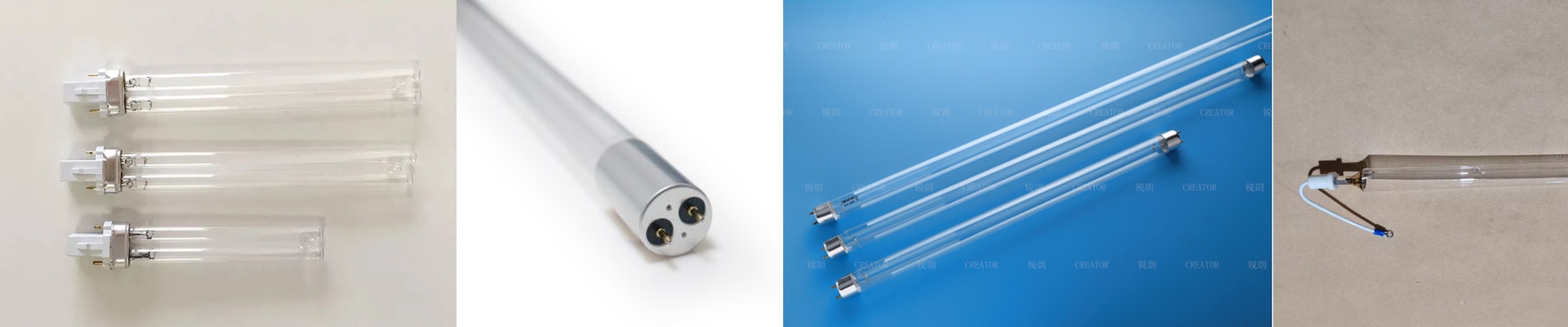
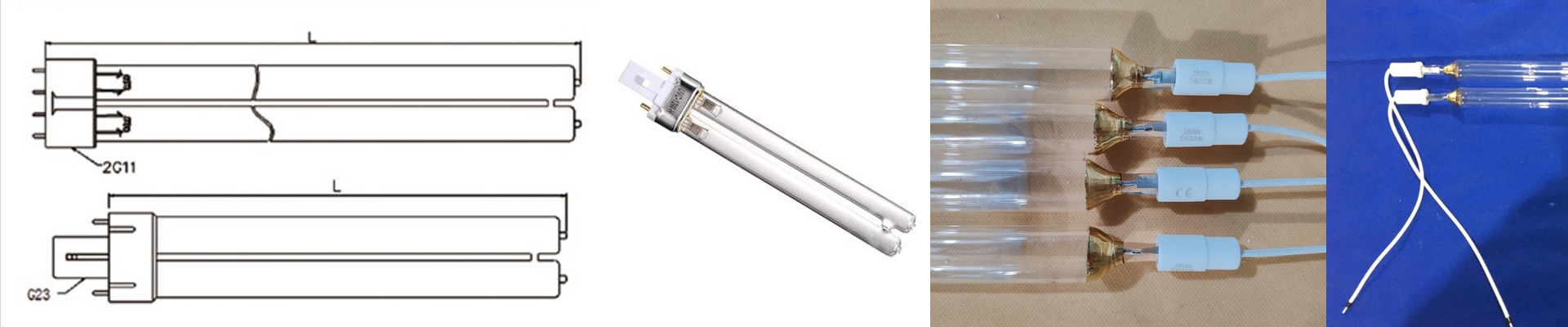
Walking the floor at the 2026 Printing Expo, people keep asking why they should bother with custom UV modules. It’s not about making the hardware look pretty. It’s about the physics of how ink actually dries when your line is screaming along at full speed. Here’s the problem: standard lamps are a gamble. You get “cold spots” where the ink stays tacky, or you just don’t hit the power levels needed to lock everything in. We build our modules specifically to kill those gaps. Matching the power to your speed We don’t just guess at a wattage and hope for the best. We look at how fast your line is moving first. By tweaking things like the electrode spacing and the gas fill, we make sure the light hits the exact wavelength your photoinitiators need. If you’re wrestling with thick, high-viscosity inks, we crank up the power density. You get a concentrated blast of UV that cures the surface instantly, but doesn’t melt your substrate. Keeping it cool (and tough) High-output lamps get hot. Really hot. To handle that, we house the tubes in custom-machined aluminum reflectors. It ensures every single photon is pushed toward the web instead of wasting energy as heat. We also use reinforced quartz glass so the lamps don’t burn out the moment you push them hard. And the wiring? It’s simple. We use industrial-grade connectors that stay put, even when your machines are vibrating 24/7. The honest trade-off I’ll be straight with you: more power means more heat and a higher electric bill. If we build you a module for maximum intensity, you have to make sure your cooling system can keep up. If your chillers are too small, the lamp temperature spikes. When that happens, the light shifts, and suddenly your curing becomes uneven again. It’s a balance. The best part is that these are designed as drop-in replacements. You pull out the old array, slide ours in, wire it to your existing ballast, and you’ll see the difference in the cure-through on the very first pass.