The Truth About Making UV Lamps (and Why Price Matters)
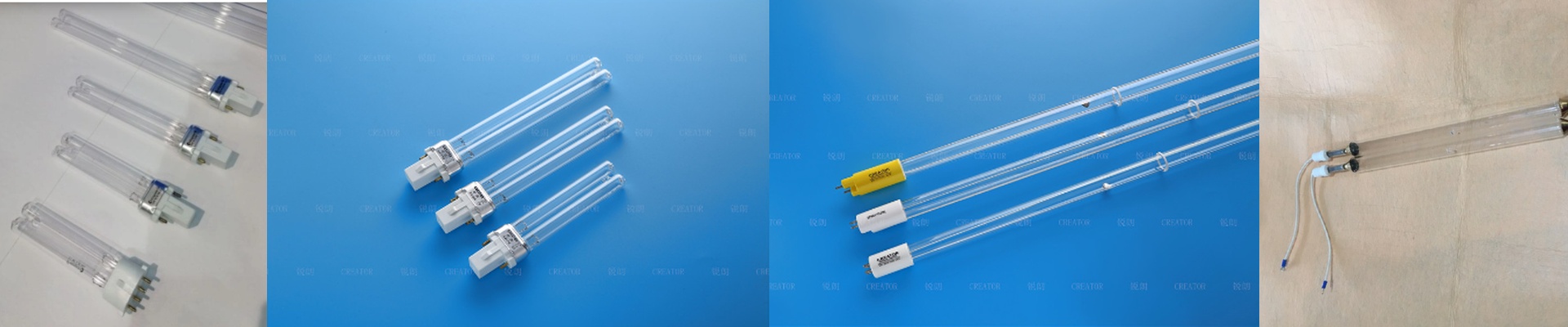
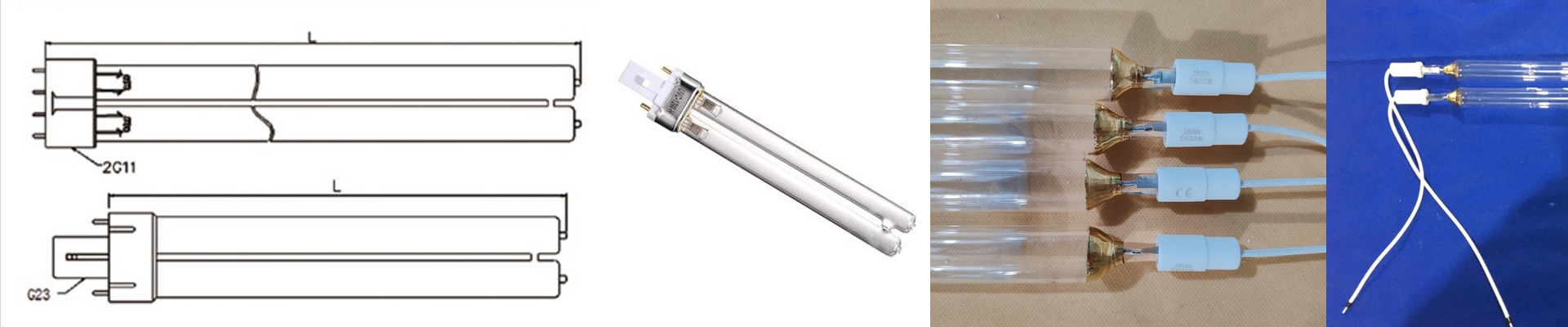
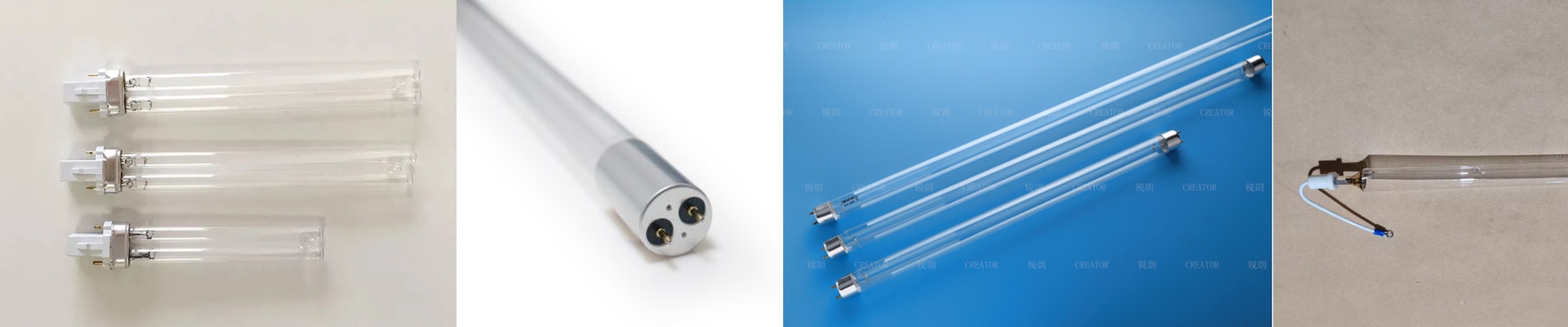
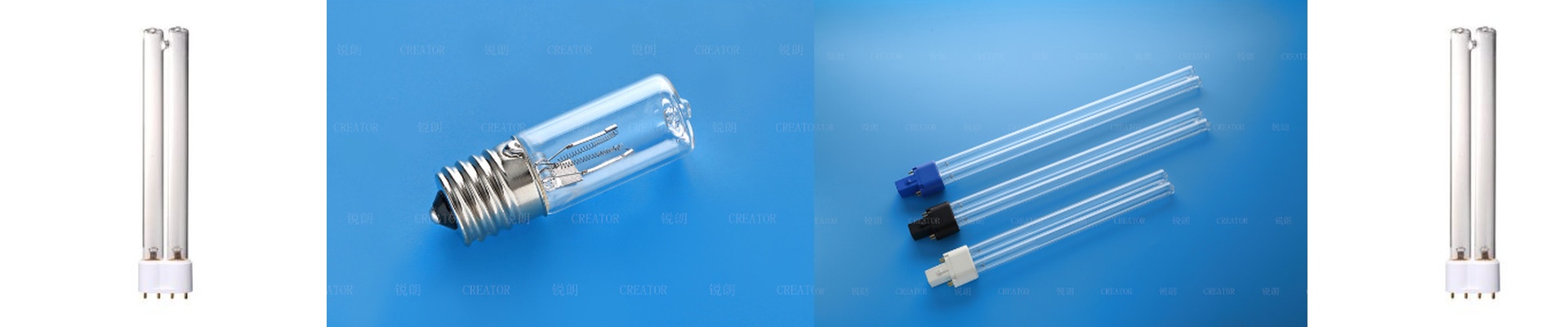
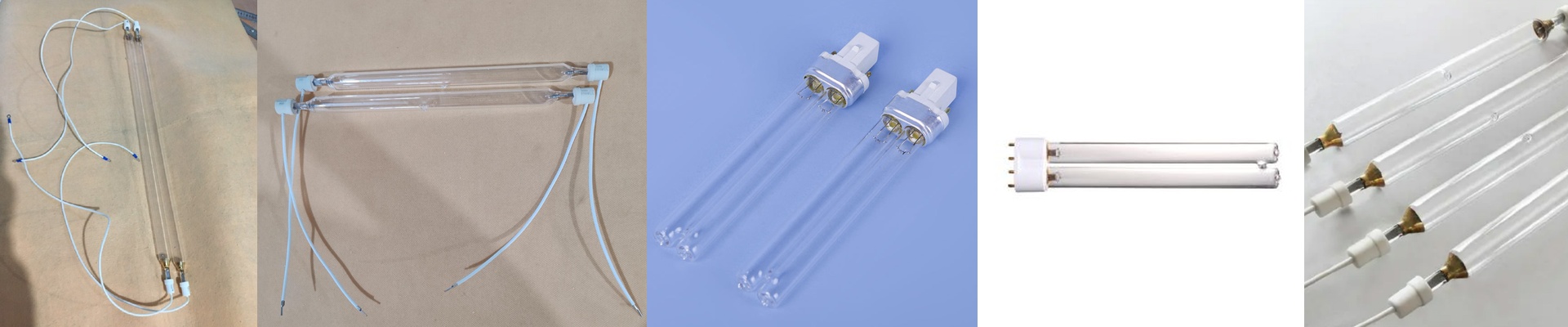
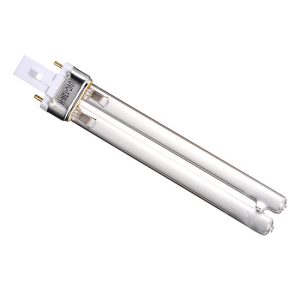
Let’s talk about UV-C lamps. To get them to actually kill germs, they have to hit a very specific sweet spot—usually around 253.7 nm. If they’re off, they’re just expensive lightbulbs. We use high-purity synthetic quartz for the tubes because it lets the UV light pass right through. If the glass is cheap or dirty, it just sucks up that energy and turns it into heat. That’s bad. It kills your sterilization rate and burns out the lamp way too fast. It all comes down to the details. We obsess over the quartz and the mercury vapor fill. If the gas mix is even slightly off, you’ll get flickering or a lamp that dies months before it should. We also add a special coating inside the glass to bounce more photons forward. Essentially, you get more “kill power” for every watt you pay for. How we keep the costs down Most people buy these through three different middle-men, and each one adds a markup. We stopped doing that. We handle everything—from processing the raw quartz to the final assembly. By making our own electrodes and filaments in-house, we can drop the price per unit without cutting corners on the cathodes. You get the high-end stuff without the “luxury” price tag. A quick heads-up on installation Here is the thing: heat is the enemy. Our lamps are powerful, but if you cram them into a tight box without enough airflow, the ends will overheat. When that happens, the mercury pressure shifts and your UV output dips. You’ve got to get your ballasts and cooling fans right. As long as your power supply matches our voltage, these should slide right into most industrial sterilizers without any drama.