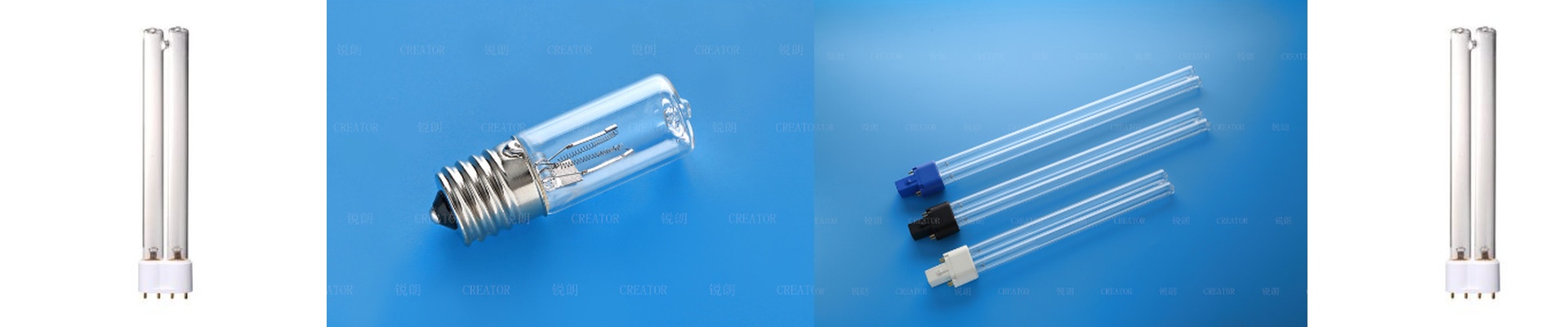
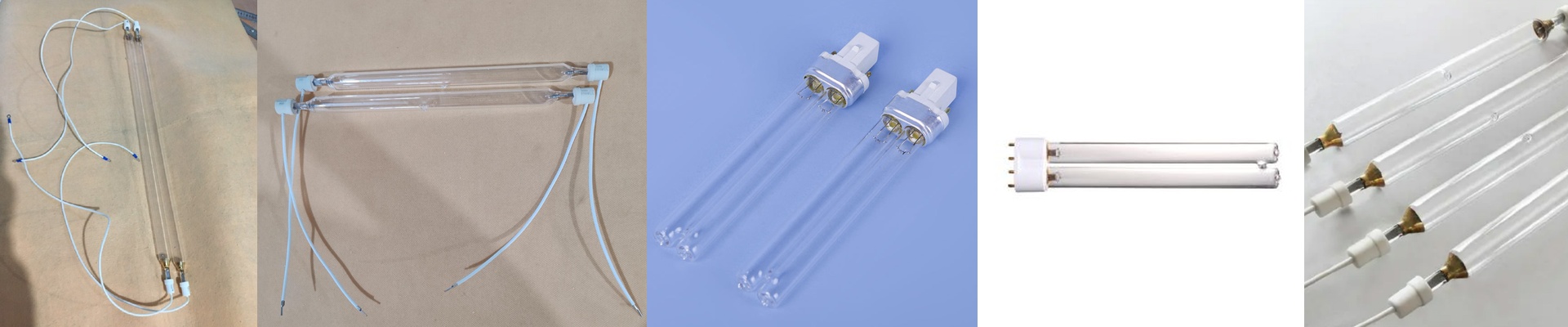
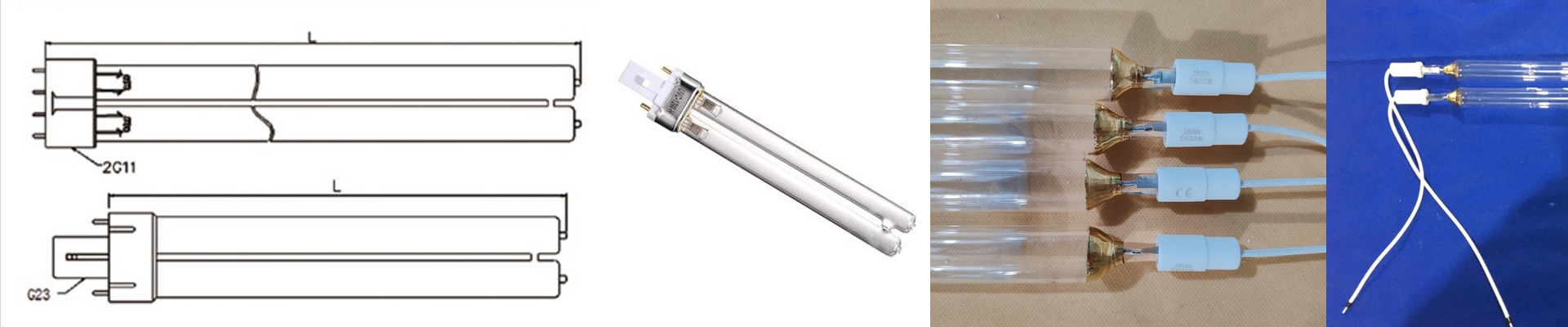
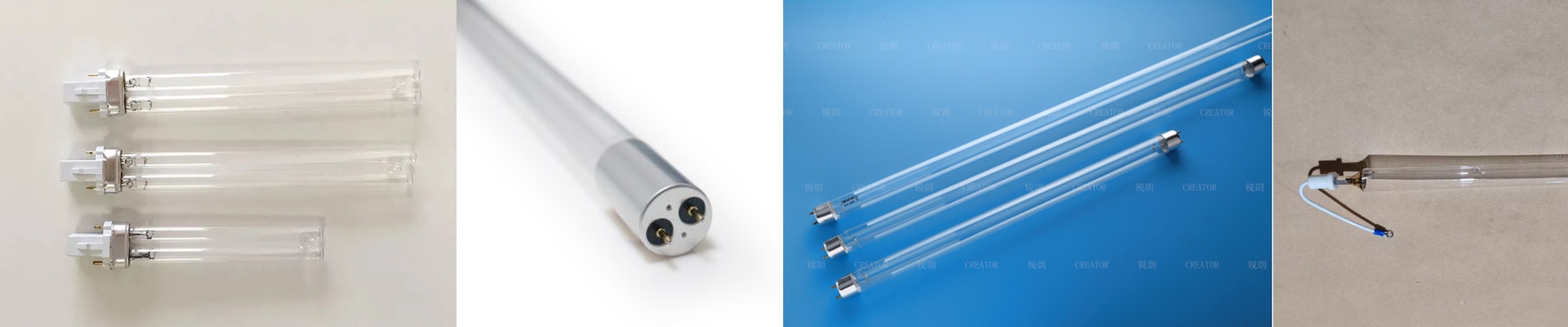
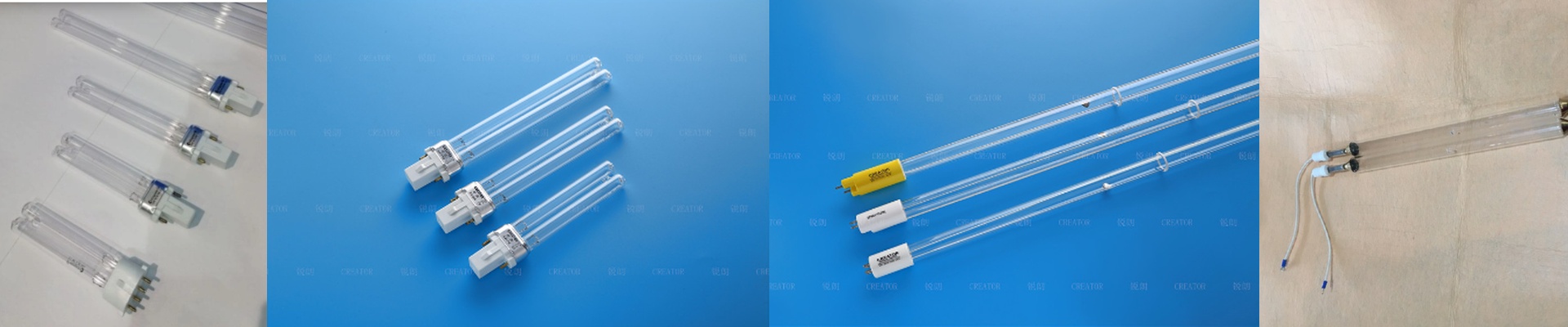
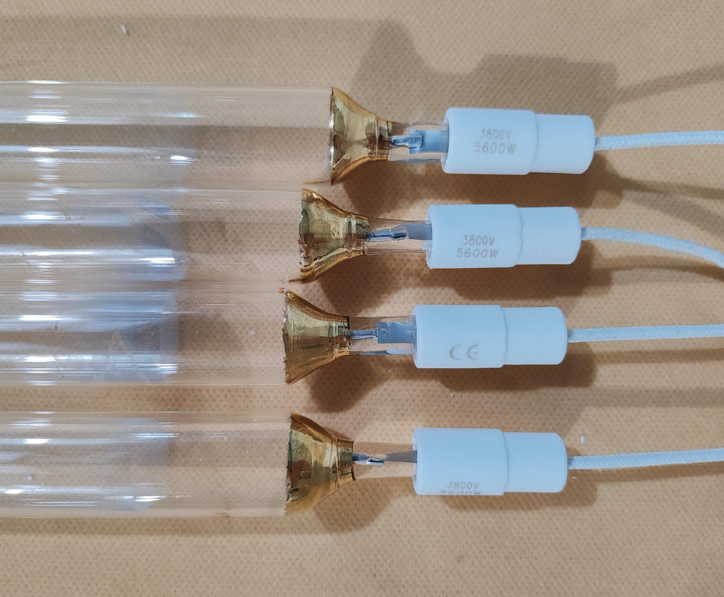
In the press room, downtime isn’t a metric—it’s meters of substrate down the drain and deadlines that slip. When you’re running high-turnover jobs with no inventory buffer, a UV lamp failure isn’t “maintenance.” It’s a full stop. We built our compact mercury UV curing lamps to turn that pressure into uptime, plain and simple. What matters under the hood These are high-pressure mercury vapor discharge lamps, and they deliver a broad spectral output with real punch at 365 nm, plus usable output at 313 nm and 436 nm. That spectrum hits photoinitiator absorption across a lot of ink formulations, so cross-linking happens fast. We hold tight arc-length tolerances and spec dichroic-coated reflectors to maximize peak irradiance at the substrate plane—not just brag about nominal lamp power. The form factor is compact enough to drop into narrow lamp housings, and the mounting and connectors are standardized so changeover stays quick. Why this plays in a live workflow You don’t have time for long procurement cycles. These lamps are stocked and shipped as drop-in units, so a failure becomes a fast swap. The output curve stays stable, which matters whether you’re running high-speed offset, the thicker ink films of flexo, or the heavier deposits typical in screen. No need to keep a locker full of exotic spares. Carrying cost drops, and the press keeps moving. The details that bite you if you ignore them Mercury lamps are sensitive to thermal management, so the lamp and reflector have to match the fixture’s original airflow and cooling design. Output drifts if the reflector gets contaminated or if the lamp is run outside its rated voltage window. Plan spares around the rated end-of-life hours, and confirm connector compatibility with your specific press model before you need the replacement on-line.