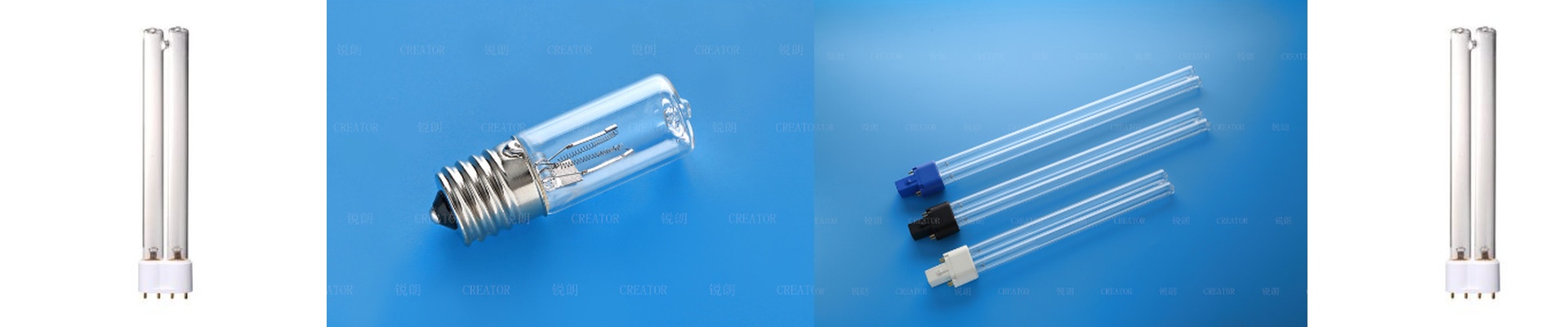
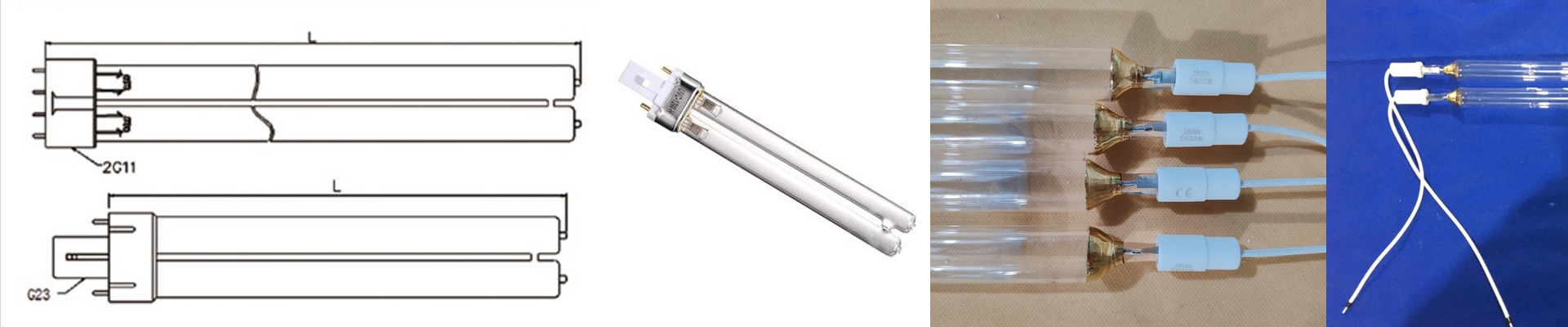
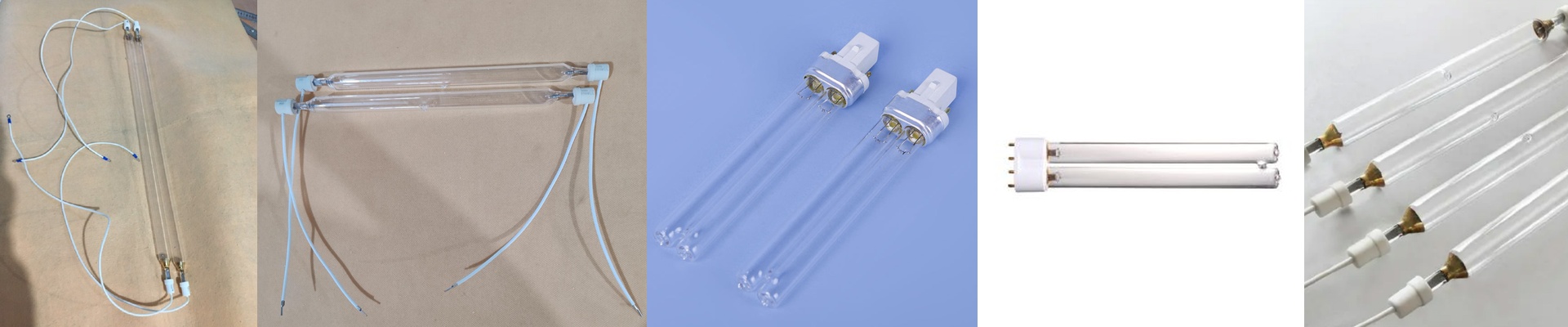
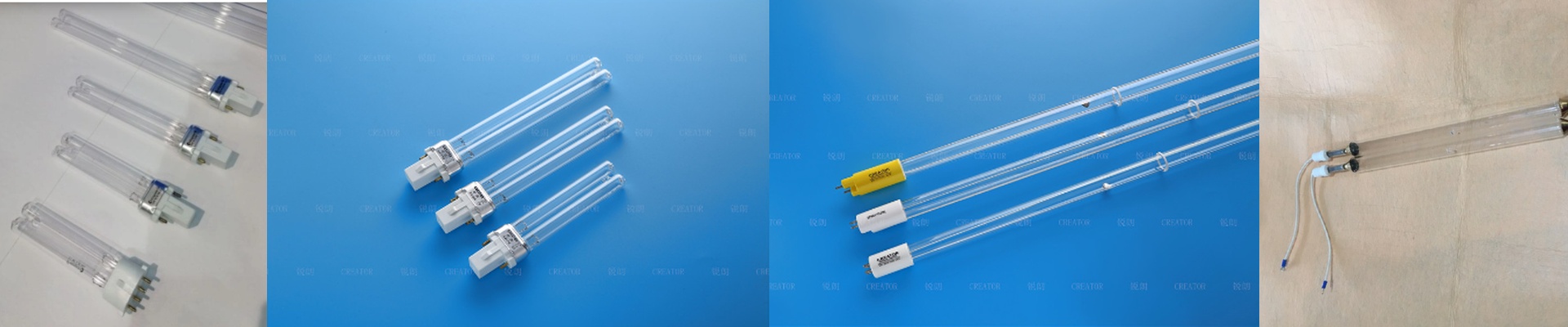
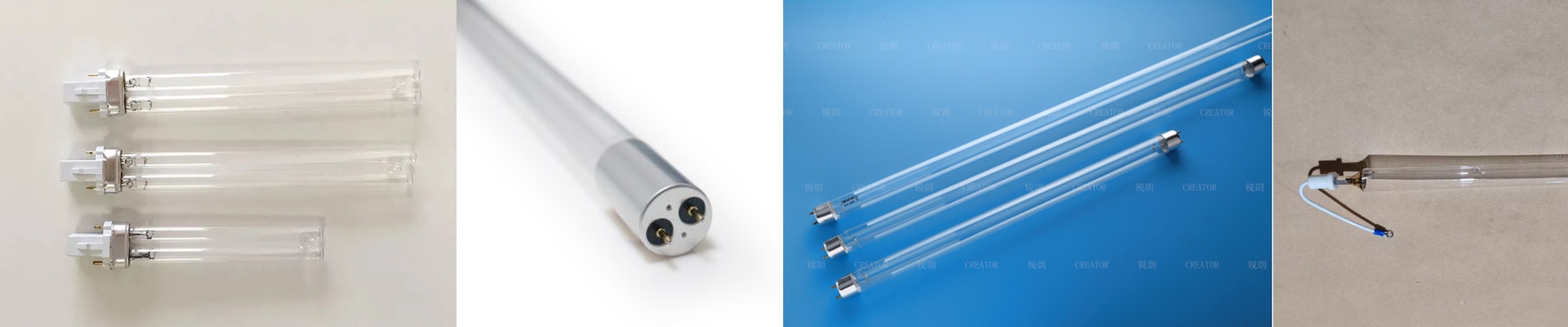
On the press floor, anti-counterfeiting jobs don’t fail because the ink is bad. They fail because the UV spectral output is out of control. Security inks are built around narrow-band excitation—usually right around 365nm. So a lamp that “looks bright” can still miss the photoinitiator, and you end up with uncured haze. If you’re not running a UV intensity meter to test the lamp, you’re flying on assumptions. That shows up as inconsistent security features, scrapped runs, and chargebacks. What actually matters under the hood We build these lamps for high spectral purity: a stable, low-bandwidth output profile, with short-wave emission held tight to match the absorption peak of security photoinitiators. In real life, you need repeatable peak irradiance and dose—measured in mJ/cm² right at the substrate plane. A calibrated UV intensity meter turns that into something you can act on. It quantifies lamp output, flags reflector degradation, and catches the gradual output drop that comes with mercury lamp aging—often before it shows up in the print. Why this matters on anti-counterfeiting work Anti-counterfeiting printing depends on repeatable excitation of special pigments and effect pigments. When spectral output is controlled and verified, the security mark holds consistent contrast and cures clean—less dot gain, fewer secondary operations. You also get a stable cure window shift after shift, fewer lamp-related stoppages, and consumable planning that isn’t guesswork. On high-value jobs, repeatability is what separates pass/fail from profitable throughput. A couple of shop-floor details that bite you Match the meter’s spectral response and calibration to your lamp spectrum. A mismatched sensor will misread 365nm output and give you false confidence. And high-purity narrow-band curing needs reflectors with tight dichroic control. Keep them clean, aligned, and cooled the way they were designed. Otherwise, peak irradiance drifts—even when the lamp still looks like it’s lighting fine.