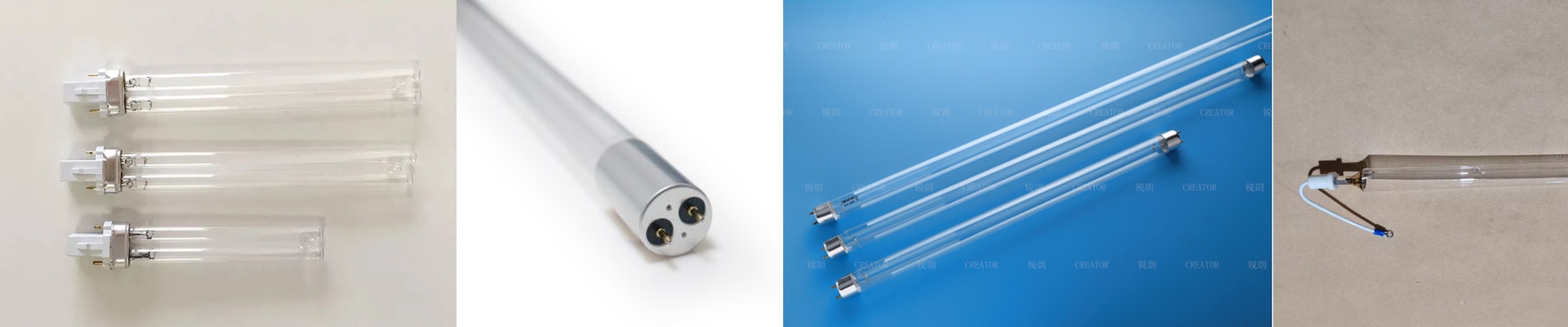
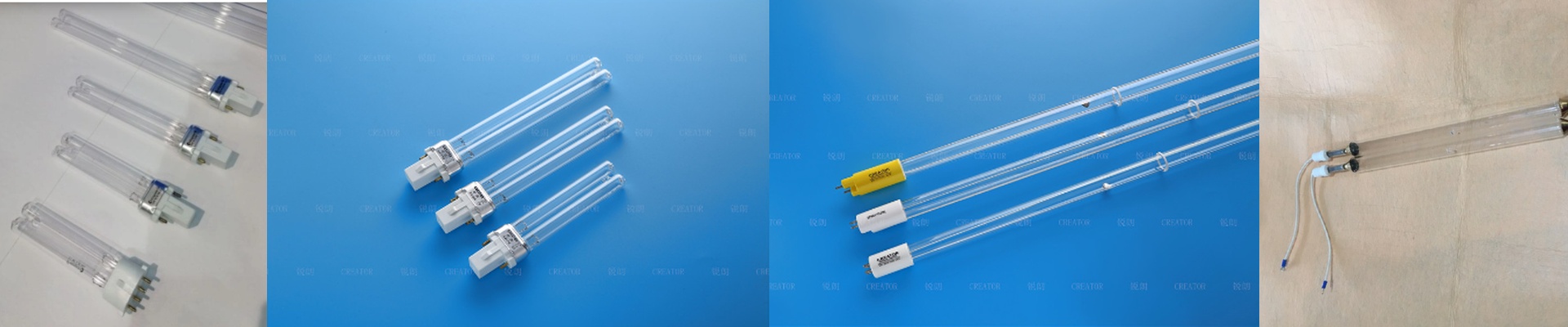
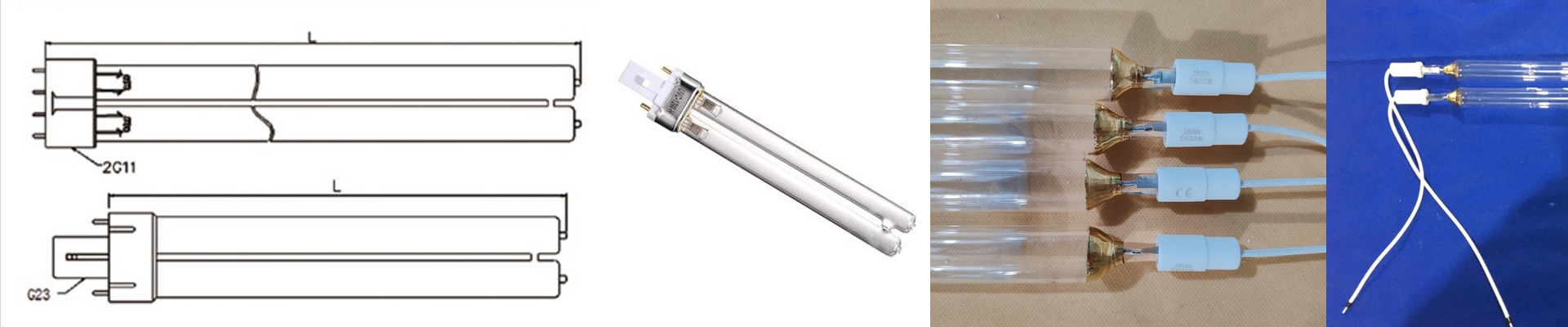
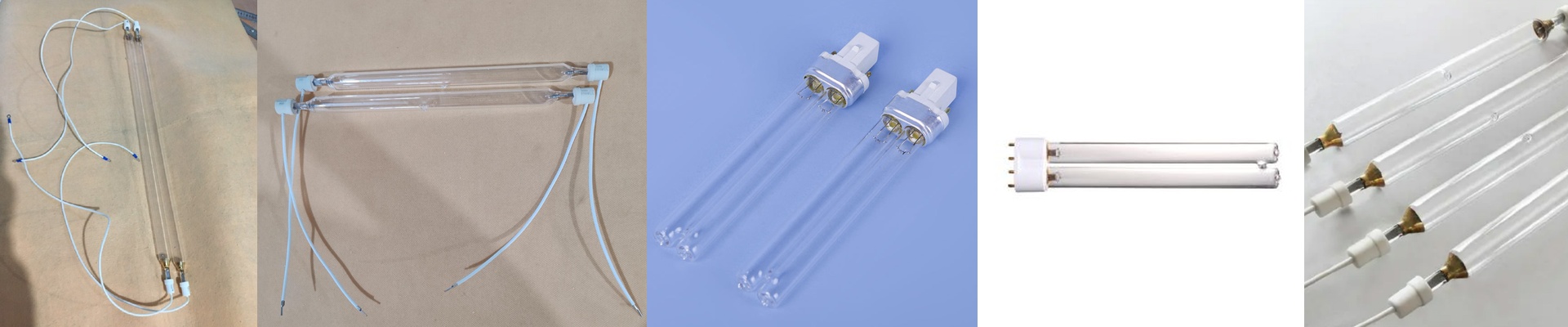
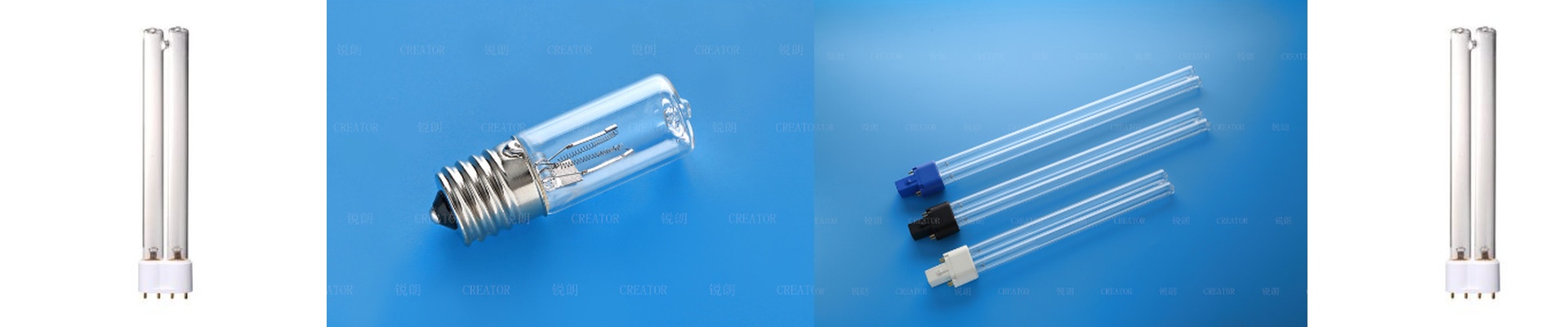
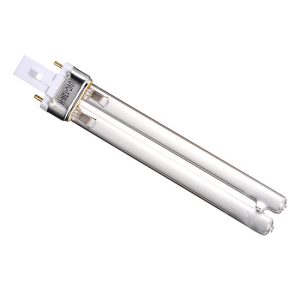
The UV lamp market is crowded, and I’ll be straight with you: going with uncertified sleeves is a gamble. You’re inviting immediate export headaches and letting performance drift creep in where you can’t see it. If your sterilization line is bound for global markets, compliance isn’t a “nice to have.” CE certification is the baseline that keeps your equipment cleared for cross-border delivery and ready when the auditor shows up.
What matters under the hood
We build our sleeves around controlled spectral output and stable transmission. They keep the lamp’s target wavelength band intact—254nm for germicidal action—while holding UV intensity steady at the work surface. That matters because photoinitiator activation in UV curing depends on predictable photon flux. Even small shifts in spectral distribution or output decay can knock cross-linking off-kilter and leave microbes alive. We use materials that resist solarization, so transmission stays flat across the lamp life curve. Expect stable peak irradiance and repeatable energy density delivery, not wild swings after a few hundred hours.
Why this matters on the floor
CE certification means the sleeve and its interface meet essential safety and EMC requirements. That lets you integrate it into equipment destined for the EU and other regulated markets without re-engineering. In practice, that translates to fewer customs holds, fewer compliance documents per shipment, and fewer surprises during on-site inspections. Meanwhile, the sleeve’s tight dimensional tolerance and high-purity quartz keep alignment and intensity consistent. Your process window stays wide: stable curing energy, predictable microbial inactivation, and fewer unplanned lamp swaps.
The details that make or break it
Match the sleeve to the lamp’s arc length, base type, and reflector geometry. Mismatched ends or end-cap clearance will clip output and create hot spots. If your chamber is sealed, confirm the ozone-free rating. Verify the connector interface against your fixture. And handle with clean gloves. Oils and fingerprints cause localized absorption that distorts spectral output and hastens end-of-life.