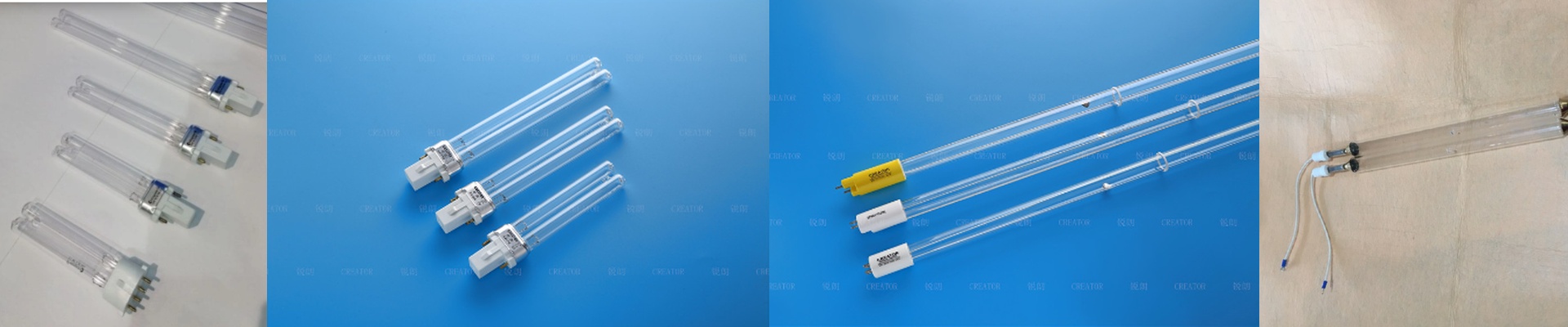
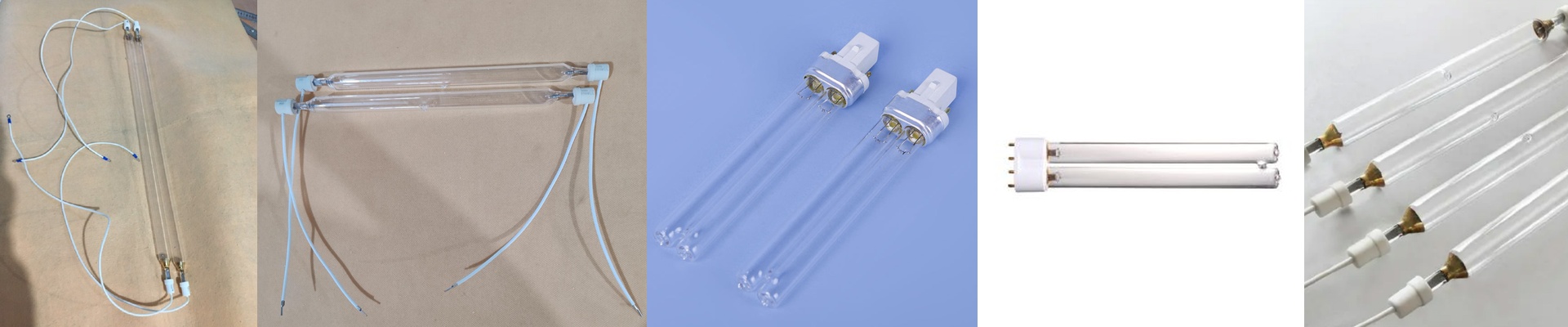
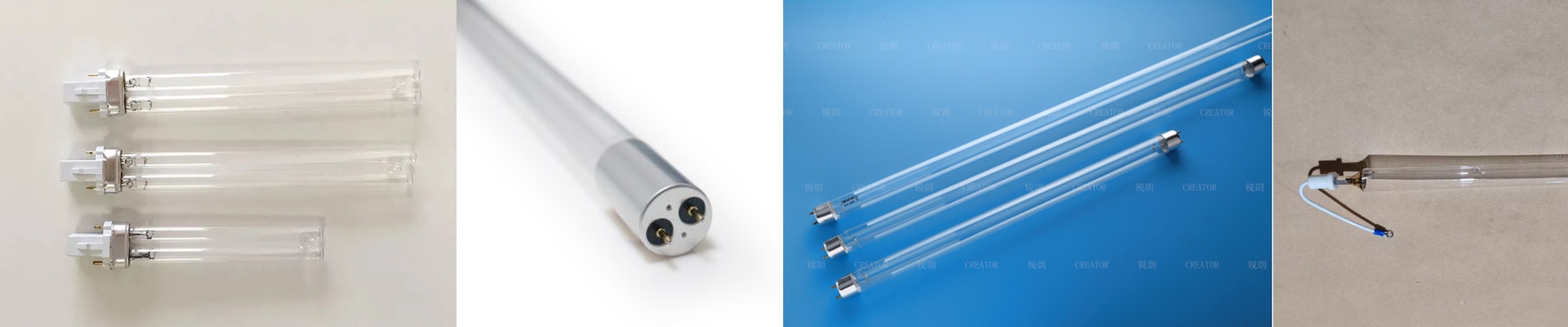
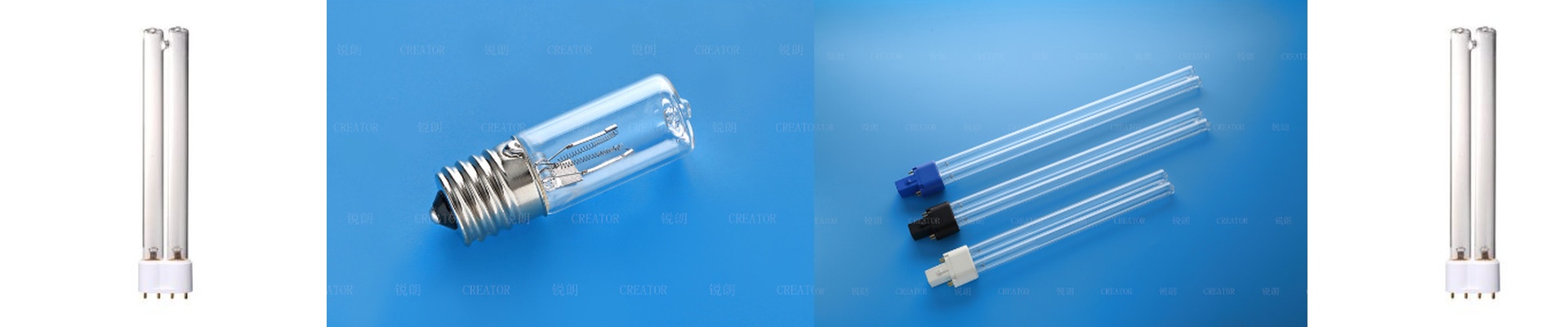
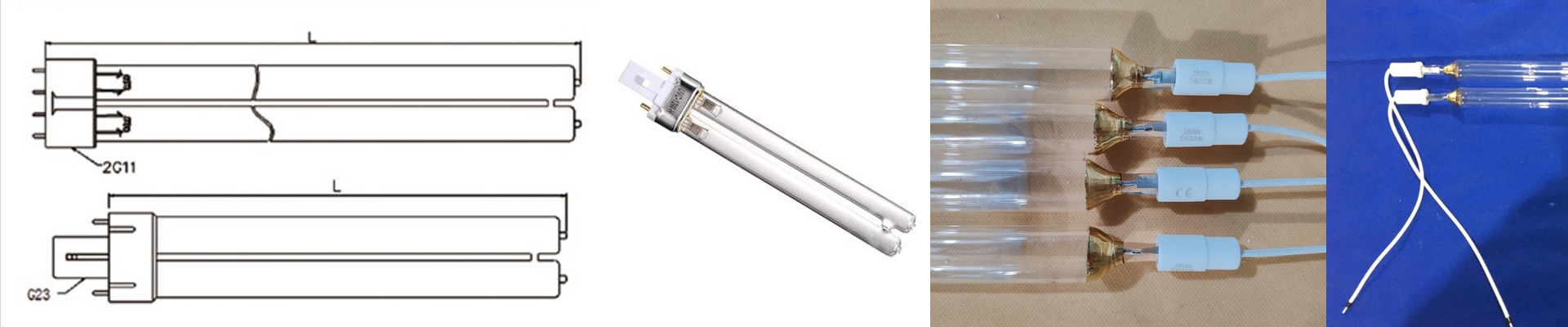
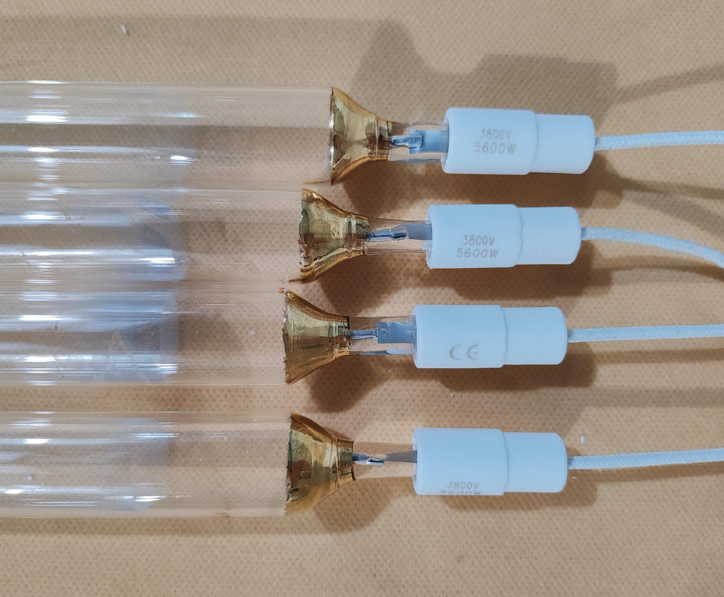
When an M&R or KTK exposure unit lamp dies, the whole line stops. Generic replacements can miss the spectral output you need, and you end up with under-exposed boards or you’re forced to recalibrate just to compensate. We build our UV gallium lamps as true 1:1 drop-ins—same footprint, same arc length, same electrical interface as the original. The key is the gallium-doped arc, tuned to hit 365nm as the peak. That narrowband output gives you maximum absorption by the photoinitiator in solder mask and legend inks, so cross-linking stays uniform across the entire board geometry. What you’re really chasing: stable irradiance at the work plane, a tight spectral half-width, and a reflector with a dichroic coating that knocks down IR while holding onto UV intensity. The lamp holds consistent energy density (mJ/cm²), so exposure times stay predictable from the first lamp to the last. And here’s what it means on the floor: you get back the cycle times the machine was designed for, without re-tuning the dose curve. Output stability cuts variability in trace definition and mask adhesion, so scrap and rework drop. The gallium chemistry gives you a longer useful life than standard mercury lamps, and the low-ozone formulation keeps the exposure chamber cleaner, stretching out maintenance intervals. Power draw stays within the original system envelope, so you don’t oversize and eat extra operating cost. Before you swap, double-check connector type, ignition voltage, and coolant routing. Our lamps are engineered to OEM tolerances for an exact fit, but reflector alignment and shutter timing still have to stay within the original spec. Keep an eye on spectral output every 500 hours; if you see drift beyond the rated tolerance, it’s time to retire the lamp. And always run it with the correct power supply and ballast—otherwise you’ll lose peak irradiance and shorten lamp life.