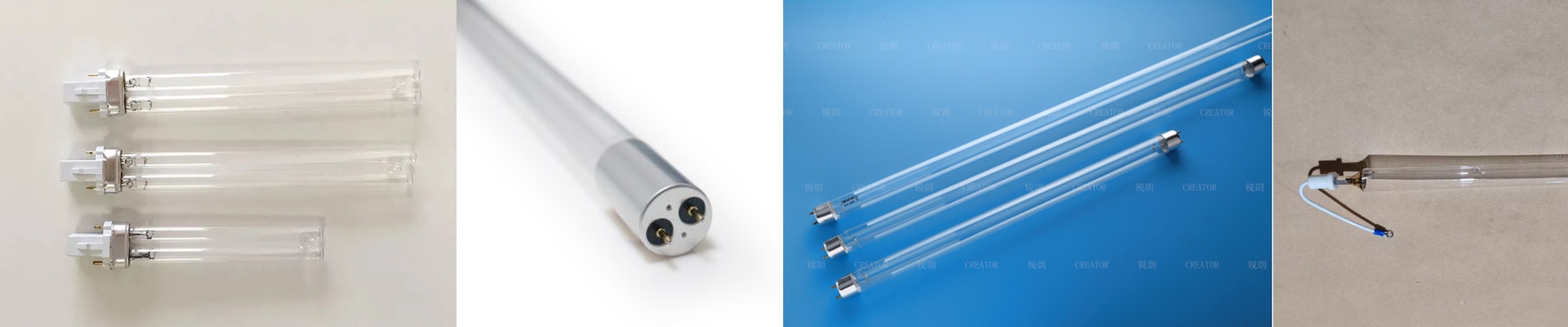
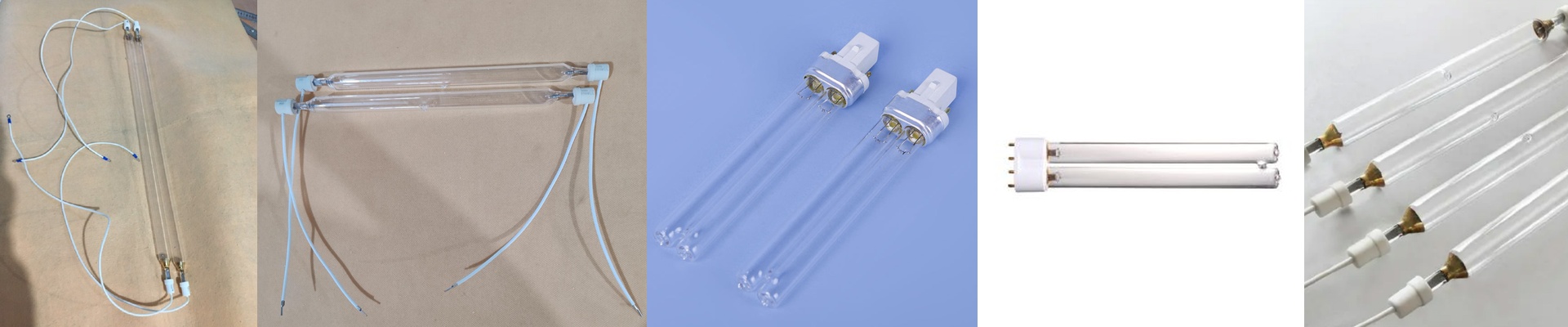
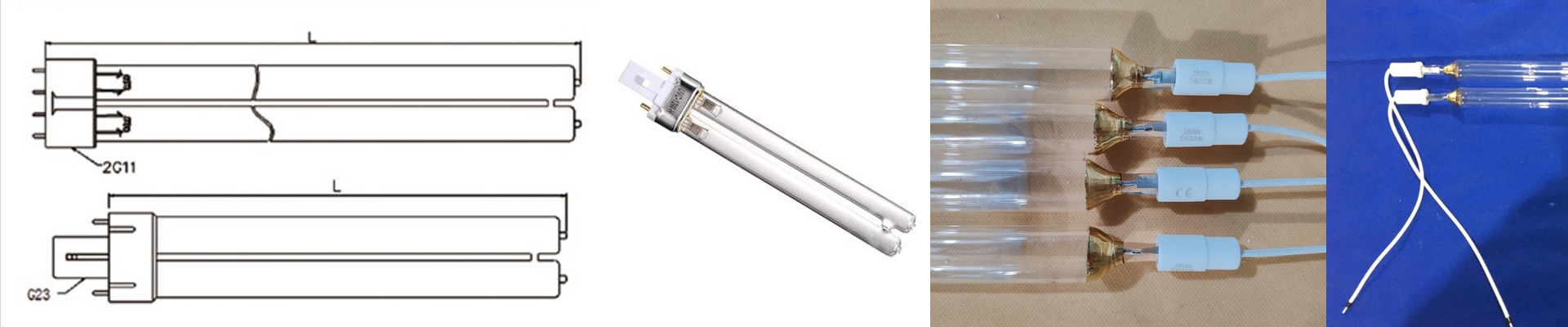
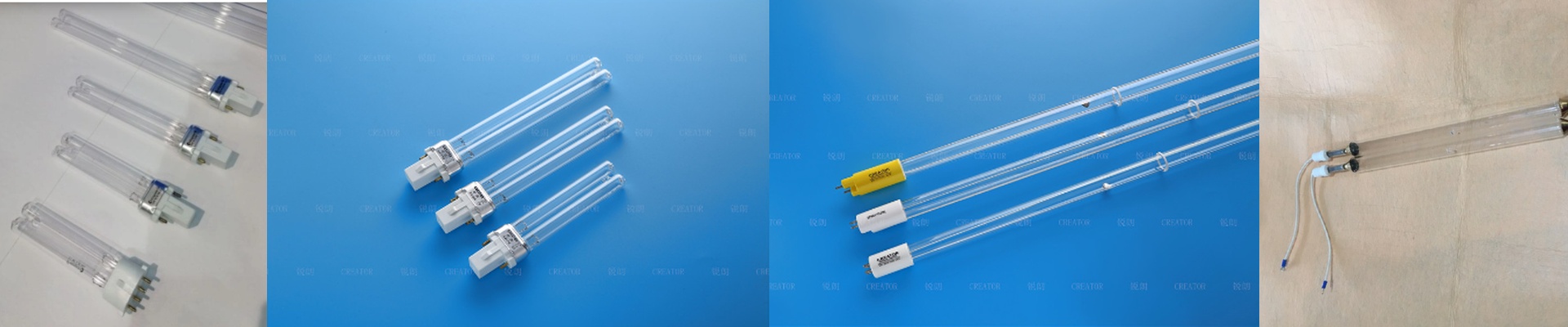
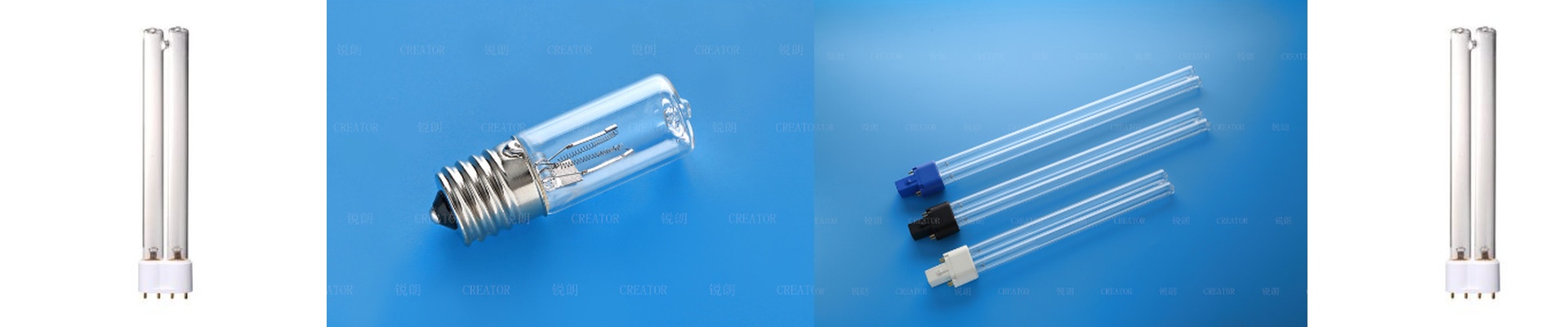
Uneven ink drying isn’t just a quality headache—it’s a yield killer. Out on the press floor, inconsistent UV curing shows up as tack, scuffing, and adhesion failure. More often than not, the root cause is an out-of-control thermal and spectral profile across the web. The fix? Control. We build UV systems around the spectral output photoinitiators actually respond to. What actually matters under the hood UV curing is photochemistry, not a heat gun. Match the wavelength to the photoinitiator window, and you set both the cross-linking rate and the depth. With standard mercury-based inks, 365nm gives you high peak irradiance for a fast surface cure and solid penetration into pigments. For LED-compatible or low-migration formulations, 420nm runs a broader, less aggressive profile that cuts down oxygen inhibition and surface wrinkling. Our lamps hold stable spectral output for 5,000+ hours, with less than 5% irradiance drop. Reflectors use dichroic coatings to tune output and keep IR low, so substrate temperature stays inside tolerance. Why this plays in real printing environments Offset, flexo, and screen—web speed and lamp position define the energy budget. We shape the UV field so the dose at the edges matches the dose at the center. That means uniform cross-linking across the full width. The payoff is measurable: higher first-pass yield, fewer rejects, and print characteristics that stay consistent from startup to shutdown. Energy density repeats run after run, so color and gloss stay locked. What you need to get right on install You have to respect the spectral and thermal footprint. 365nm systems demand ozone management and precise airflow to keep substrate temperature in line. 420nm systems need compatible drivers and optics to hold peak irradiance. Check your ink’s photoinitiator window, then line up lamp spectrum, reflector geometry, and dose targets. And measure with a spectral radiometer—not a temperature gun.