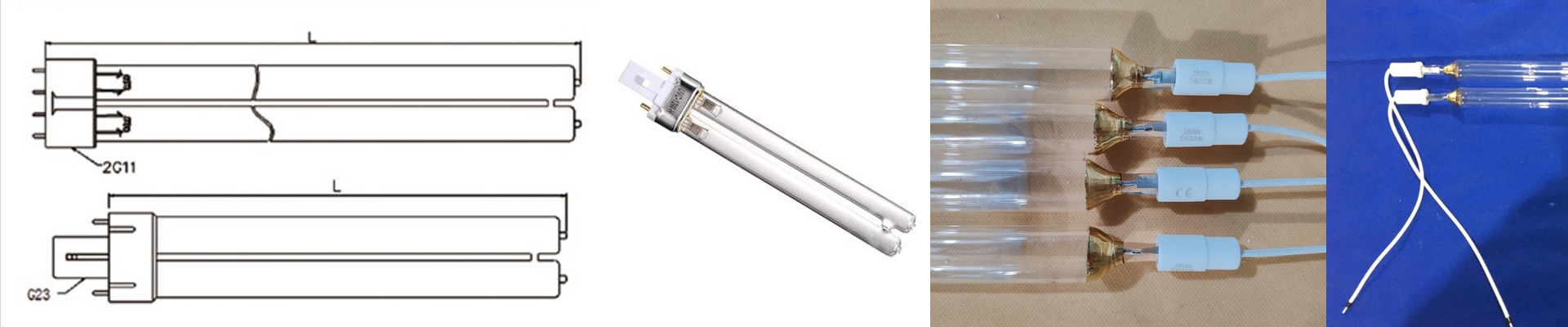
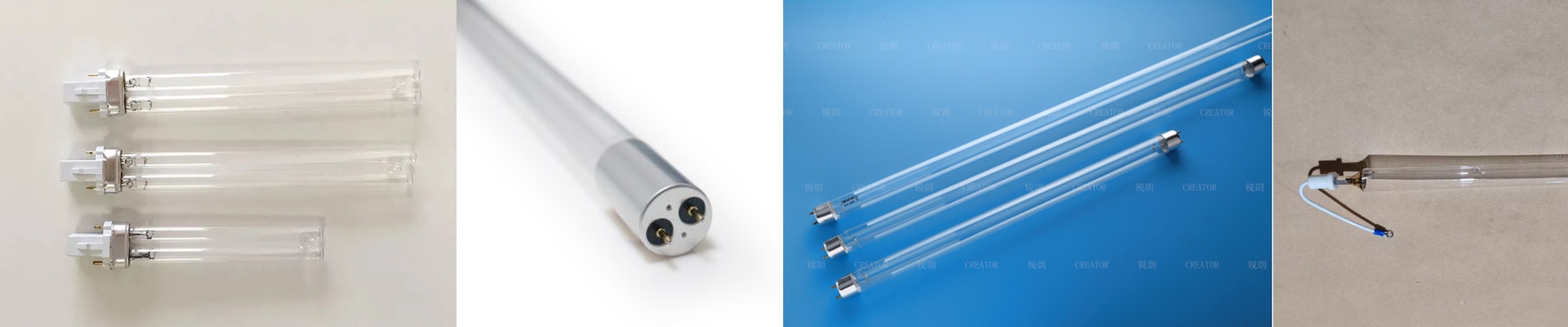
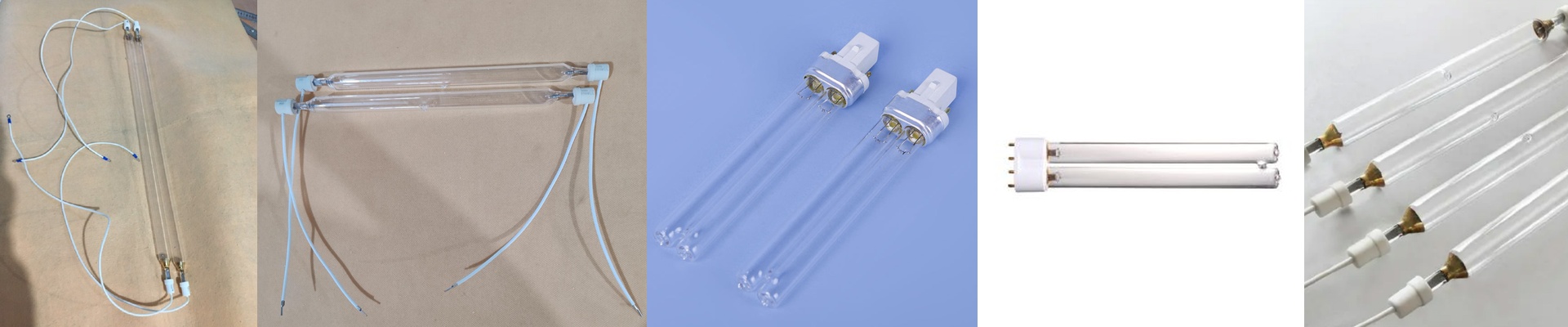
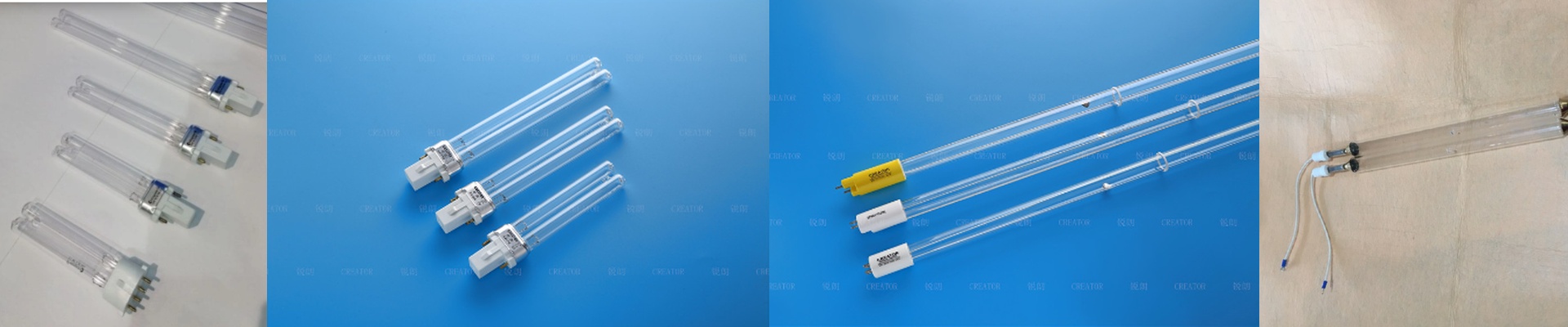
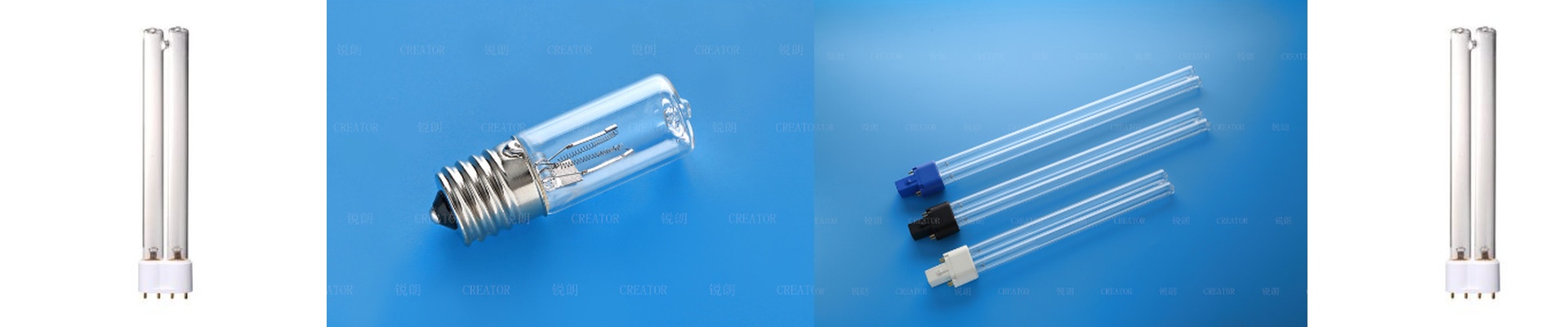
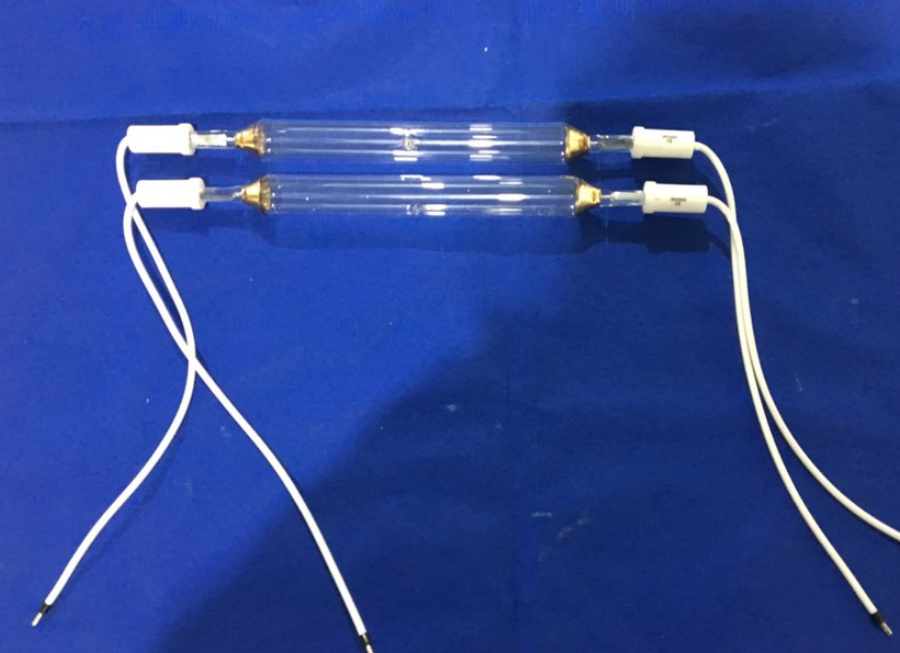
On a pet product line, microbial contamination is the kind of problem that quietly eats into margins—and reputation. Regular cleaning routines often leave behind surface-stuck pathogens, which means recall risk and lost trust. Adding a 365nm UVC sterilization lamp into the manufacturing flow isn’t a cosmetic upgrade. It’s a measurable move to back up product integrity. The 365nm UVC lamp puts out a tight spectral profile centered at 365nm—right where microbial DNA absorption peaks. That wavelength hits bacteria and viruses without the ozone headache you get from 185nm systems. Run it at high power density and you get a peak irradiance of 120 mW/cm², so microbes are knocked out in seconds. Spectral stability holds for 8,000 hours, with output degradation kept under 8%. In production terms, that means consistent sterilization performance batch after batch, not a drifting variable you have to chase. In the pet market, that kind of control becomes a real differentiator. You can point to a documented sterilization step—something tangible that supports safety on the shelf. The cycle is fast, so it drops into existing workflows without throttling throughput. Energy use stays low, and the longer lamp life cuts down on downtime for replacements. Here’s the practical catch: UVC only works where it can see. If product geometry shadows surfaces, you get gaps.**Line-of-sight is non-negotiable.**Fixture placement matters, and sometimes a rotation fixture is the simplest way to make sure every surface gets full exposure. Plan it properly, and the 365nm UVC system delivers repeatable, auditable sterilization—turning safety into a production capability you can measure and defend.