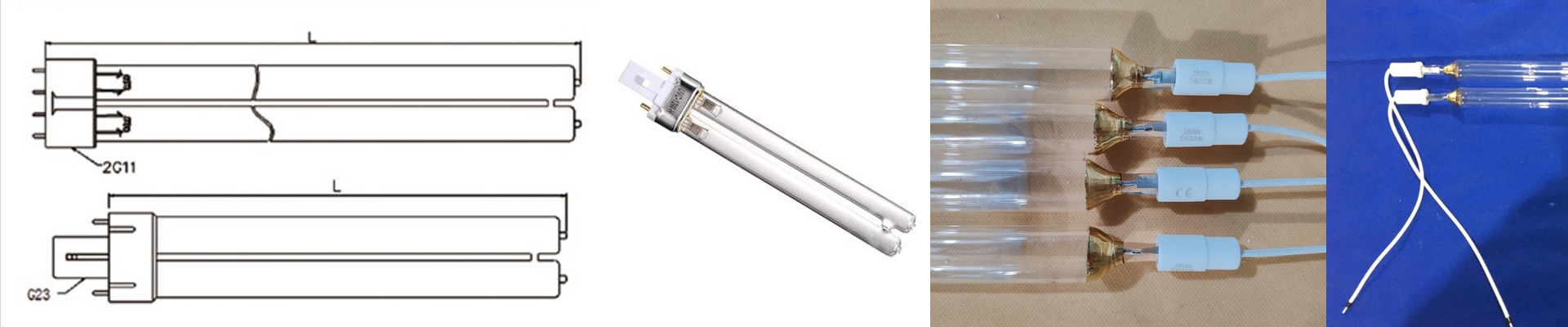
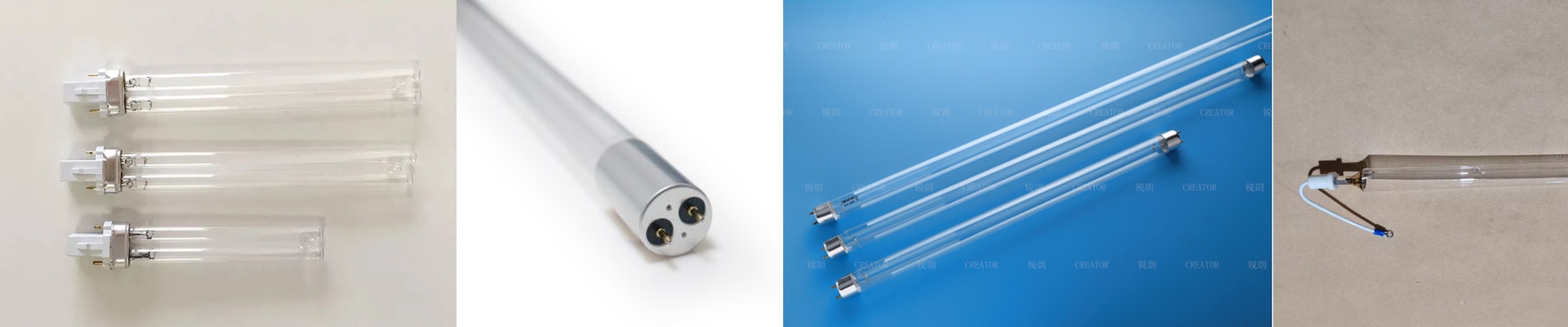
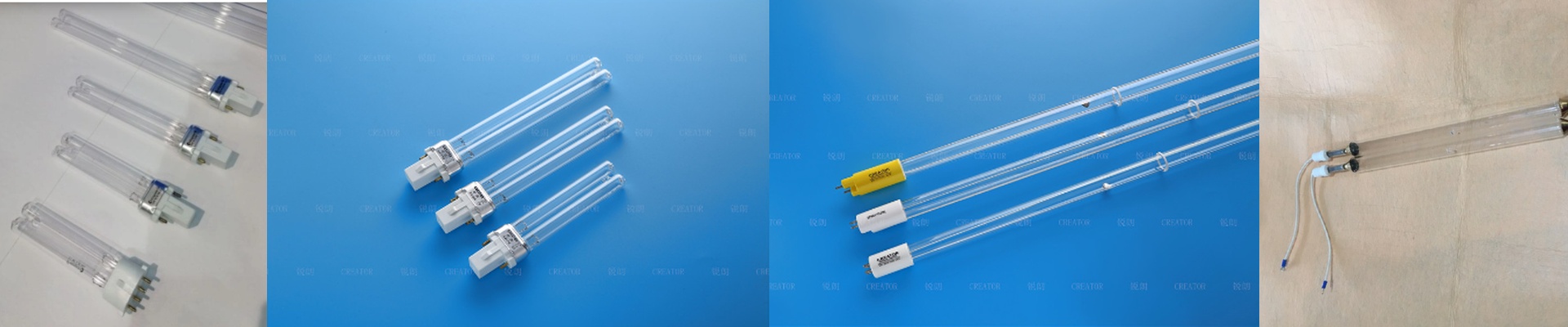
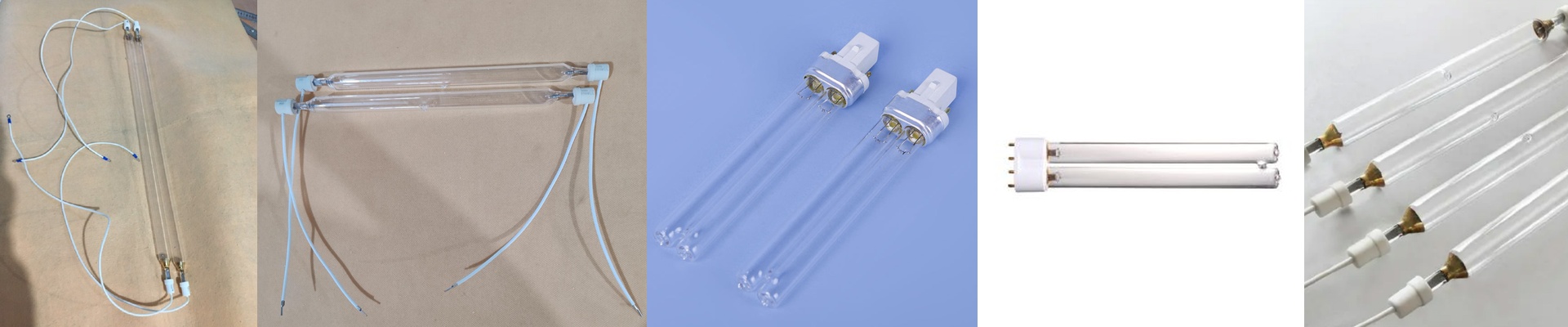
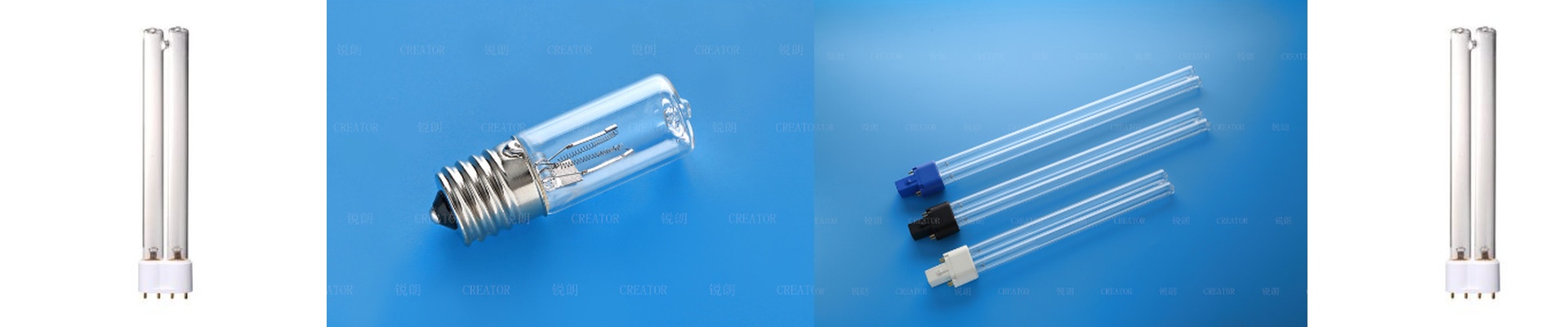
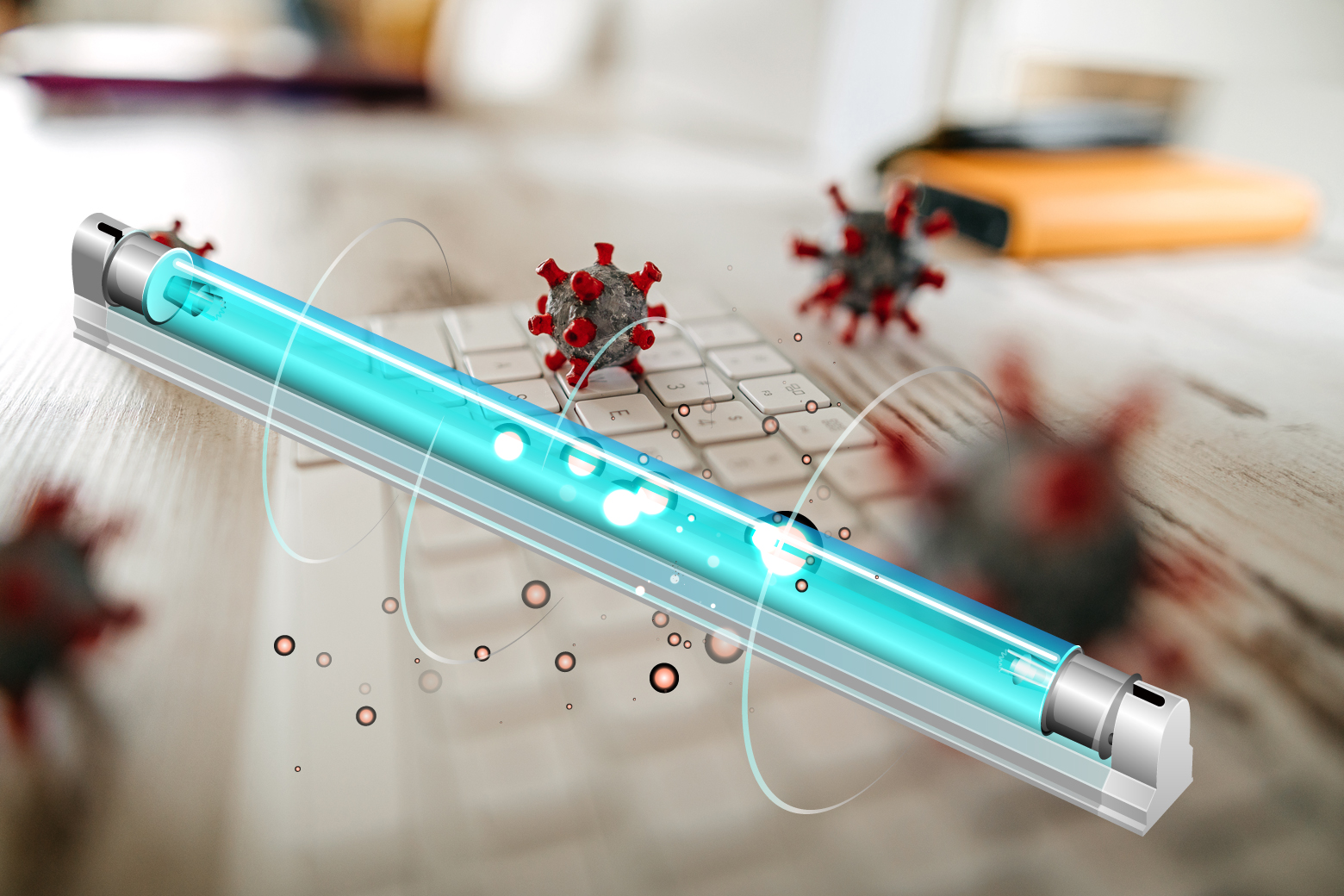
On a food line, microbial load isn’t a spreadsheet risk—it’s rejected batches and compliance headaches. Standard wipes clean what you can reach, but they miss the shadows: equipment cavities, conveyor crevices, the places that stay wet and wrong. Here’s the move: a high-penetration UVC germicidal lamp that goes after the problem the way physics does. It delivers a controlled dose of 254 nm photons that directly photolyze microbial DNA and RNA, so replication stops. The payoff is a repeatable, chemical-free kill step that hits bacteria, molds, and viruses with a 99.9% broad-spectrum reduction. What actually matters isn’t just lamp output—it’s dose. You need enough irradiance at the target plane, held long enough to hit the required energy density in mJ/cm². High-penetration UVC systems use ozone-free quartz sleeves and reflector geometry that keeps the 254 nm flux tight and pushes it deeper into complex geometries. We engineer stable lamp ignition and consistent spectral output over the life of the lamp, so the delivered dose doesn’t drift when the line is running wide open. And that’s why it fits: it turns sanitation into something you can measure. Cycle times are faster than chemical soaks, consumable costs drop, and microbial excursions happen less often. On the floor, that shows up as fewer holds, higher throughput, and dose records you can hand to an auditor. Before you spec, get your head around two realities. UVC intensity falls off fast with distance—inverse square law—and equipment geometry casts shadows that create cold spots. Place lamps so critical surfaces get the minimum required dose, validate with radiometry, and keep lamps on a hard replacement schedule. Output declines before the lamp fails electrically.