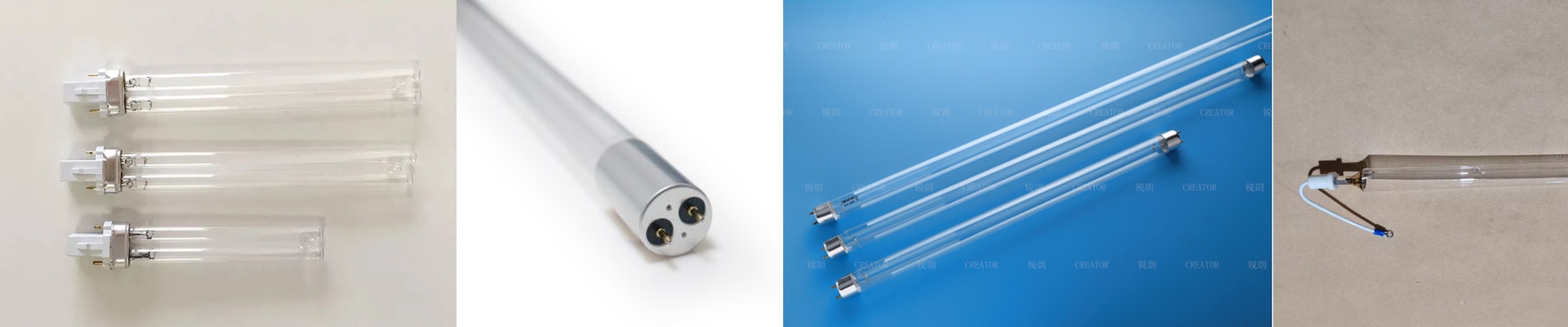
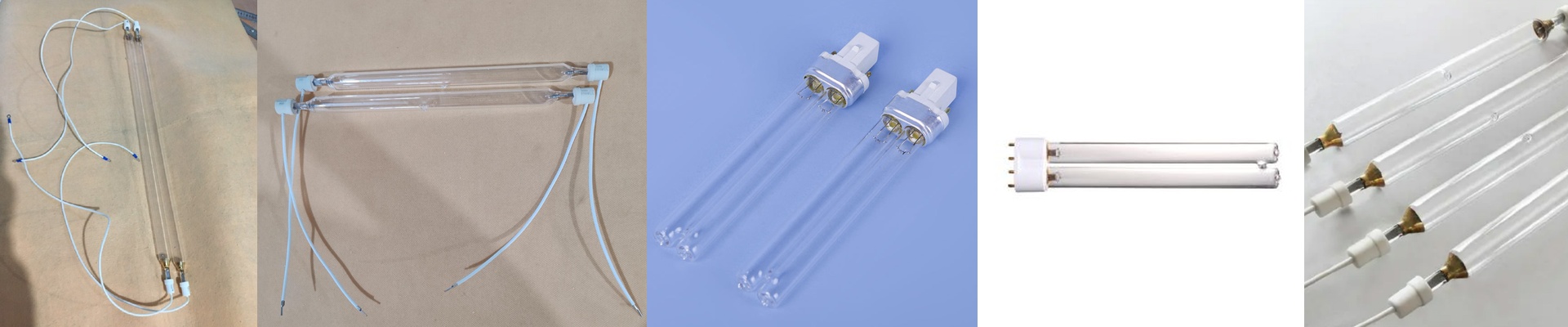
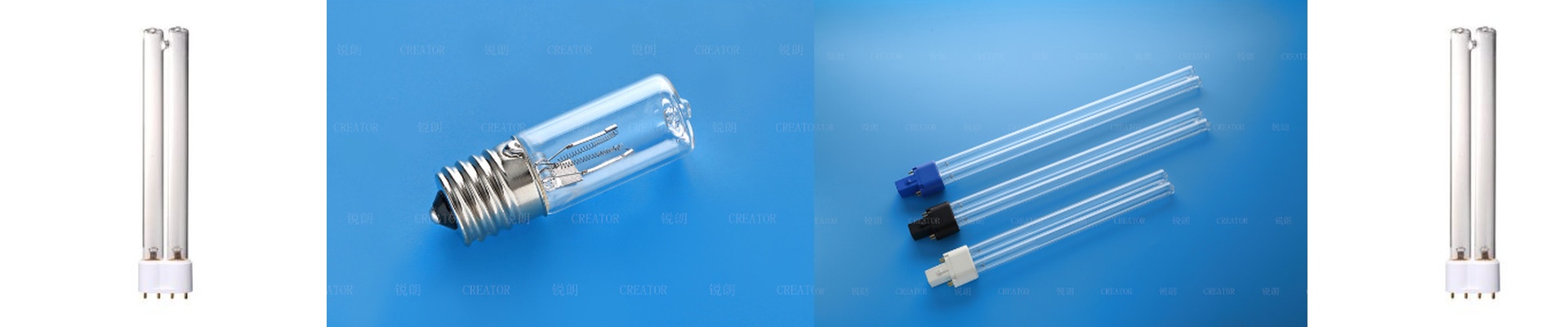
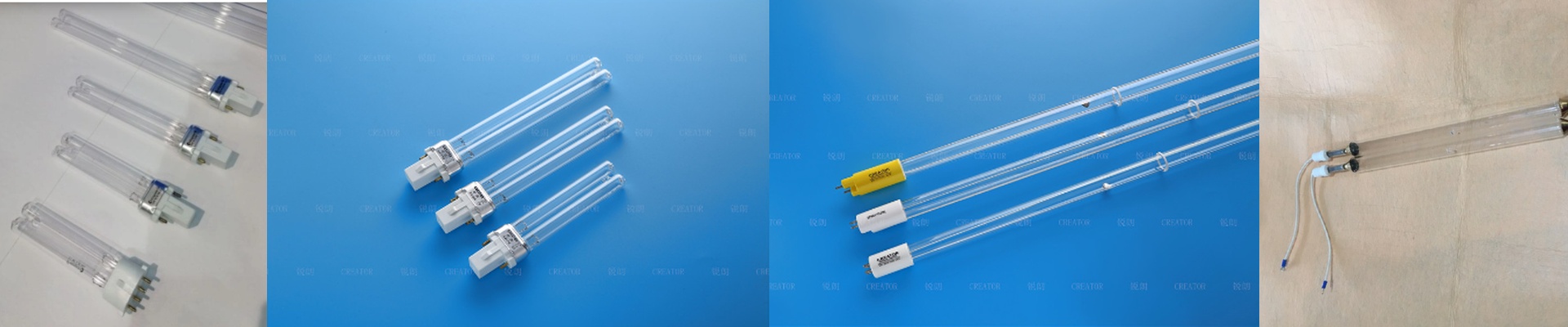
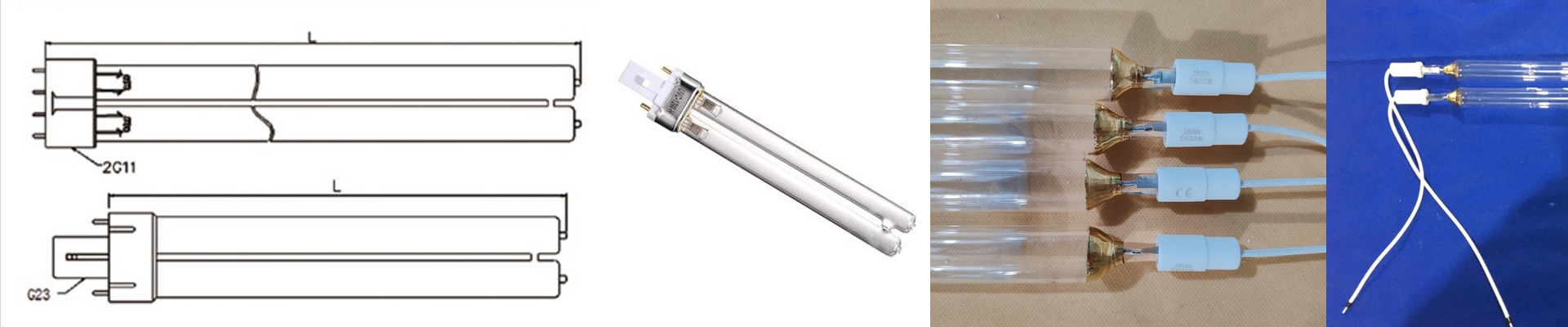
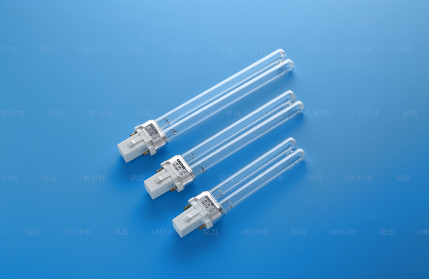
On the press floor, you know the feeling the second it happens. A mismatched lamp turns the reflector geometry into a problem, not a solution. Curing slows down, ink stays tacky, and the spectral curve starts to drift. With a Fusion system, you can’t just throw any lamp in there. You need a replacement UV lamp that’s built to work with the reflector, not fight it.
What matters under the hood
We spec a high-pressure mercury vapor lamp matched to the Fusion platform, tuned for stable spectral output across the core UVA bands that drive photoinitiator cross-linking. Peak irradiance stays at the target, and the envelope geometry is held to tight tolerances so the arc lands exactly where the reflector focuses it. That gives you a repeatable focal spot and more usable energy density at the substrate. Expect consistent output through the run, low decay, and tight spectral control.
Why this pairing works
The reflector geometry decides how much of the lamp output actually becomes useful work. When the lamp and reflector are aligned, you get a denser, more uniform energy profile across the web. In practice, that means faster line speeds, fewer pinholes, and a more consistent cure across colors and substrates. Energy that would otherwise scatter gets redirected onto the ink. You gain higher curing efficiency without pushing more power through the system, and you cut down on lamp-related downtime.
The practical details
Installation has to respect the exact lamp length, arc position, and connector orientation. If that alignment is off, the optics don’t do their job. Check the reflector condition and cleanliness, too. Pitting or filming scatters light and eats away the gains. Run at the specified power density, and make sure your ozone handling matches the ventilation setup. For best results, pair the install with a reflector inspection and an output check using a spectral radiometer.