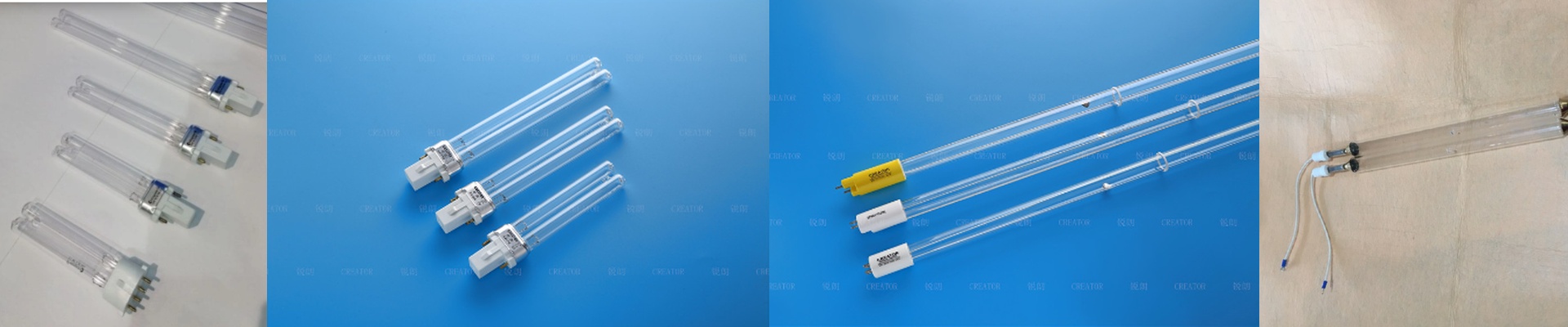
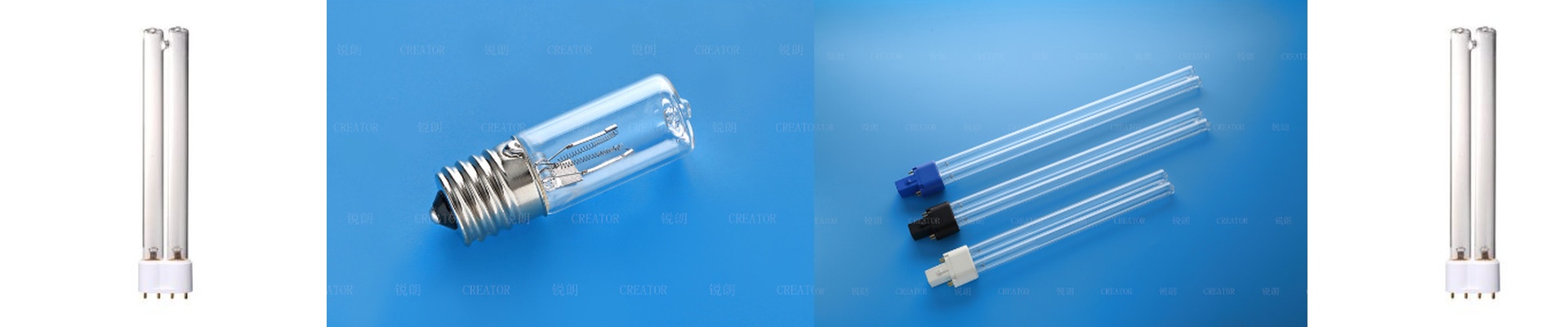
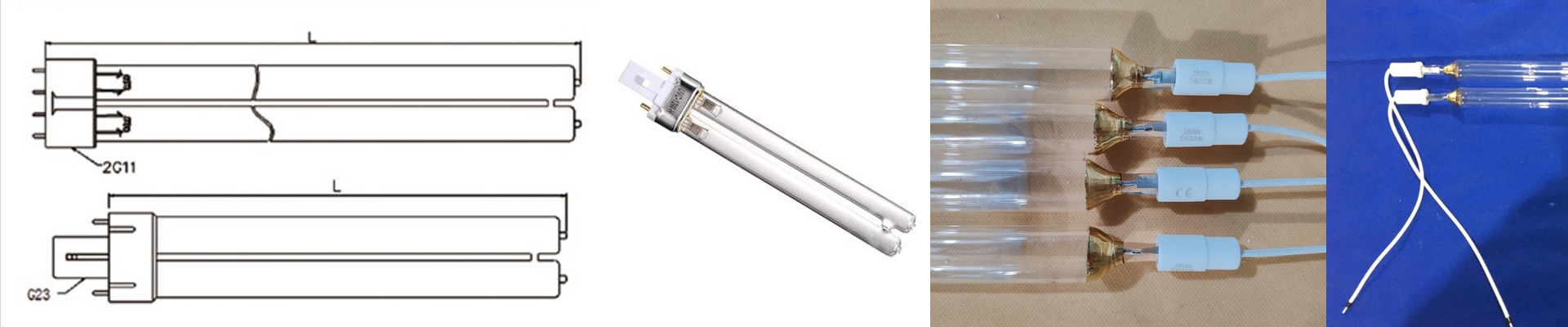
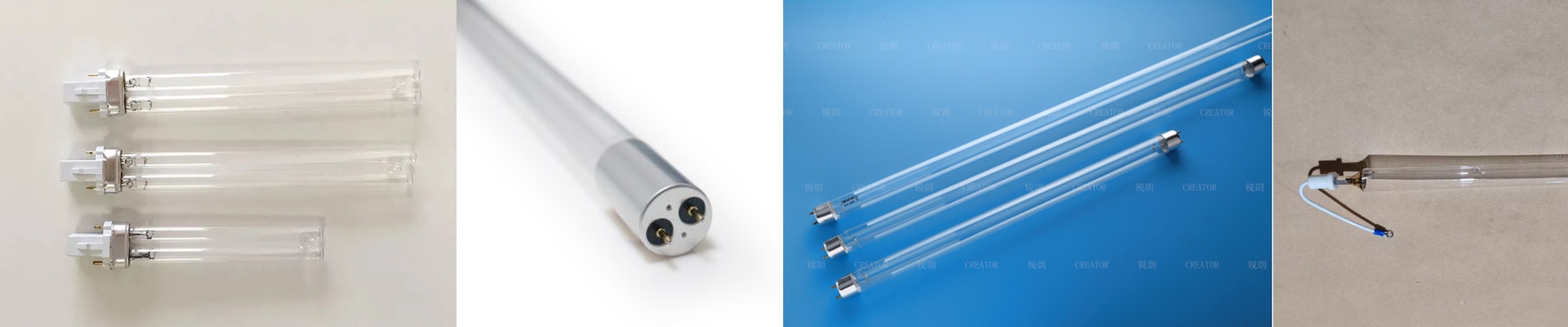
On a garment line running 80–120 m/min, the press doesn’t wait for anything. If the UV lamp doesn’t lock the ink down instantly—full cross-linking, no half measures—you’re looking at smeared print, a stack that builds up, and a line that stops. This isn’t a nice-to-have “second-level” cure. It’s a spec you can measure, and you have to hit it.
What matters under the hood
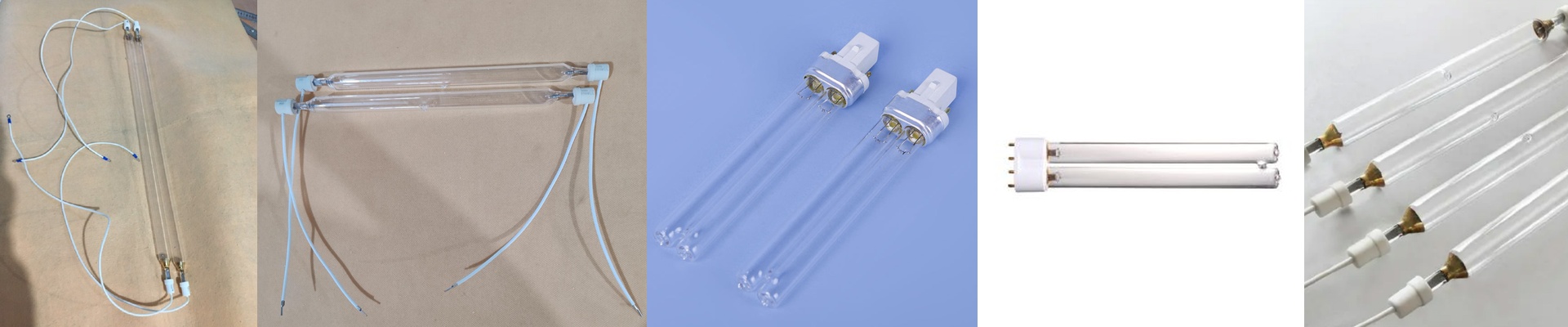
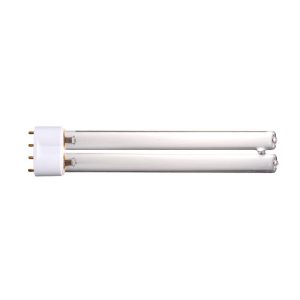
We start with a high-pressure mercury vapor lamp and tune it to the photoinitiator window. Hit 365 nm to drive penetration deep into the ink film, then add 385 nm to speed up surface cure without pushing you into overcuring. Peak irradiance hits 12 W/cm² at the substrate, measured at a 10 mm working distance. Power density stays even across the arc, so the dose at the edge tracks the center—no thin spots. For typical textile UV inks, we spec cure speed above 100 m/min, with delivered energy density in the 600–800 mJ/cm² range. A dichroic reflector keeps the output tight in the right spectral band and cuts down IR heat. Ozone-free running keeps the lamp head cooler, and output stays within ±3% over 2,000 hours.
Why this setup earns its keep on the line
This lamp buys you the margin the press can’t create on its own. When spectral output is stable, the ink film cures completely the instant it leaves the print head. That means you can stack right away, fold without cracking, and ship sooner. Energy use drops because the dose is targeted—no broadband waste. And lamp life? It’s extended by design. We’ve got units running 5,000+ hours with less than 5% output drop. Fewer stops. Fewer rejects. Throughput you can count on.
What to watch on install
Working distance is non-negotiable. Keep that 10 mm gap—sweet spot for irradiance and heat control. If the substrate runs any closer, you’re risking scorch on sensitive coatings. The lamp will drop into standard flexo/screen modules, but the reflector geometry and power supply have to match your web width and dwell time. Expect a warm-up curve: output hits setpoint in 180 seconds. Set the shutter strategy to sync with the press’s intermittent pattern.