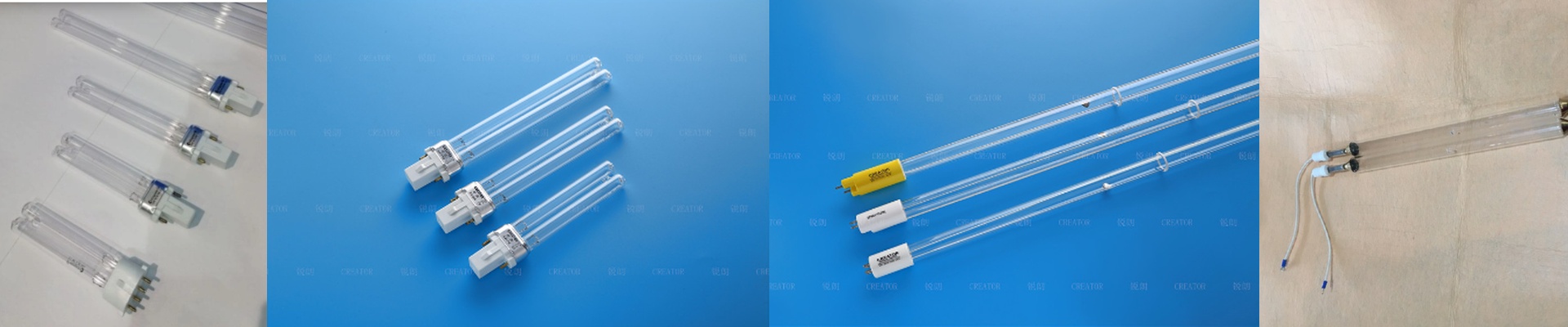
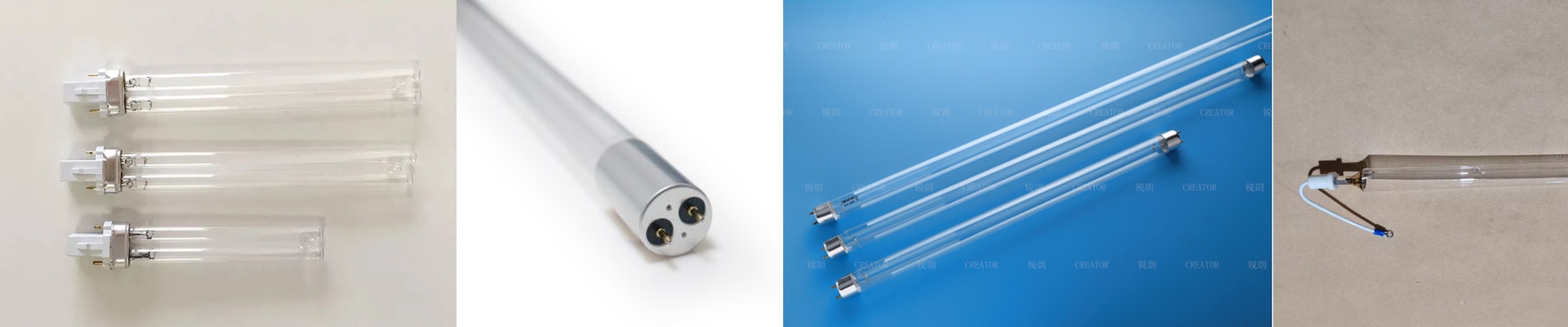
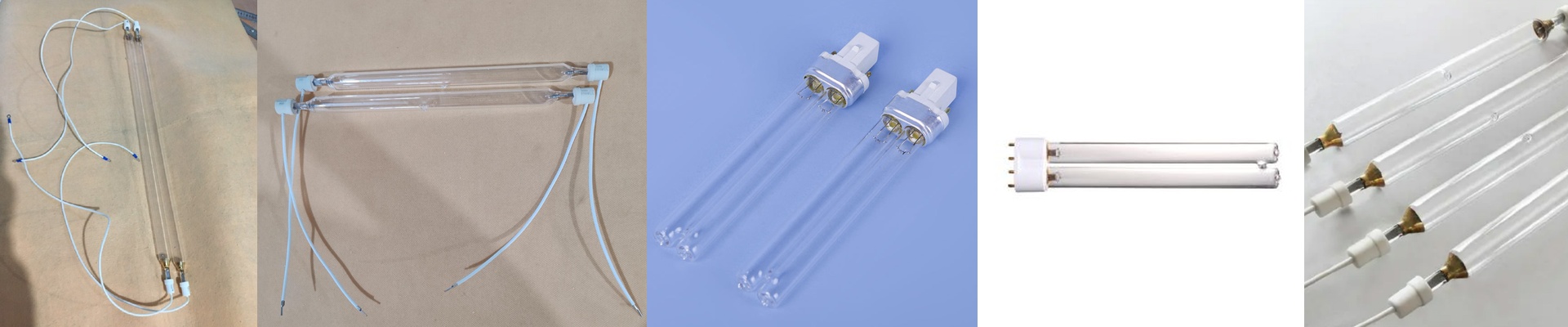
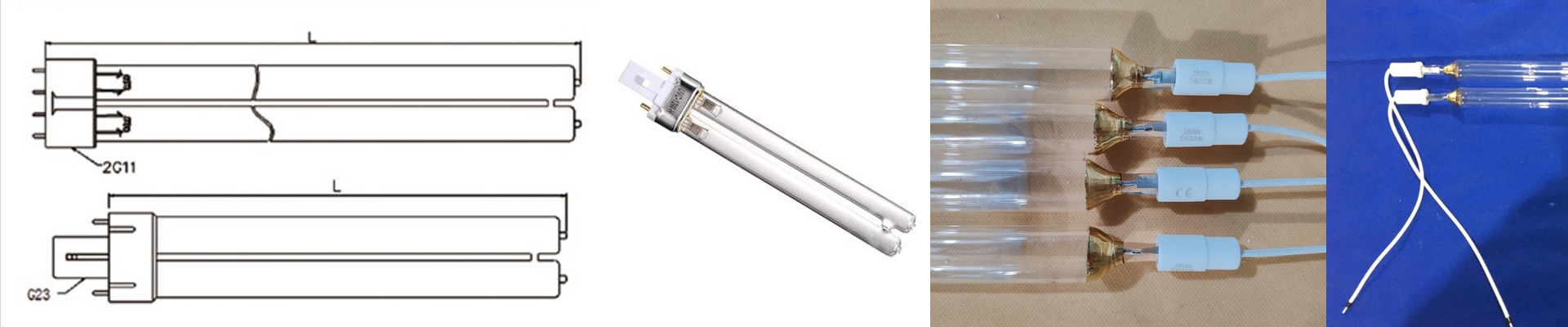
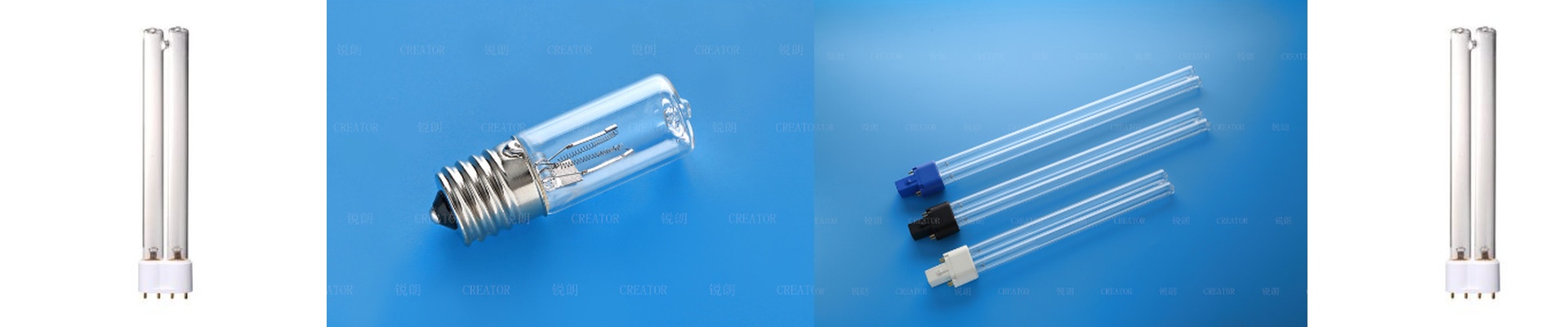
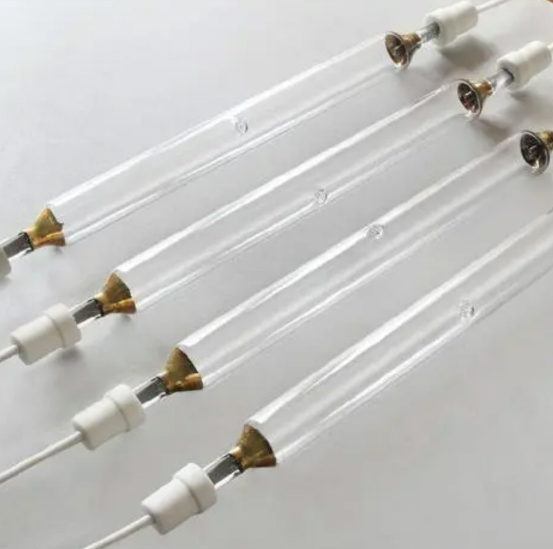
When an imported spare keeps your line down for a month, the work doesn’t stop. We get custom UV lamps for PCB manufacturing out the door in 7 days, and we keep stock on hand for the emergencies that shut everything down. What matters, technically We match the lamp to the spectral output your ink and solder mask actually need. Standard high-pressure mercury vapor lamps give stable output at 365 nm and 395 nm, with peak irradiance engineered to exceed 1,200 mW/cm² at the arc center. Reflectors use dichroic coatings to shape the spectral energy distribution—more photons into the photoinitiator absorption band, less wasted heat. We measure and log output. Every lamp ships with spectral radiometer data, including energy density (mJ/cm²) across the curing window and intensity uniformity across the substrate. Minimum lamp life is 1,000 hours, with controlled degradation: expect under 5% output drop by 800 hours when you run within rated current and temperature. Why this works on the floor PCB lines run on uptime. We can customize quickly—length, arc gap, terminal configuration—so the lamp fits your existing fixture without re-engineering the whole curing station. For screen-printed solder mask and legend inks, the 365 nm peak drives deep cross-linking through pigmented layers, while 395 nm supports thicker deposits without surface over-cure. You get faster cycle times without giving up adhesion or pencil hardness, and energy use per board drops because the reflector package concentrates usable UV where it matters. Things to get right Match the lamp to the driver. We supply lamps rated for your system voltage and ignition profile, but a mismatched ballast will shorten life and distort the spectrum. Confirm quartz purity for ozone-free operation, and make sure the lamp envelope clears the substrate and shielding. Close spacing boosts intensity, but it raises substrate temperature—run a thermal profile and keep an eye on it. On multi-process lines running flexo, screen, and offset, specify the dominant wavelength first, then power density. We tune the lamp to your machine, not the other way around.