Getting the Wavelength Right: A Look at Our Custom GaI UV Lamps
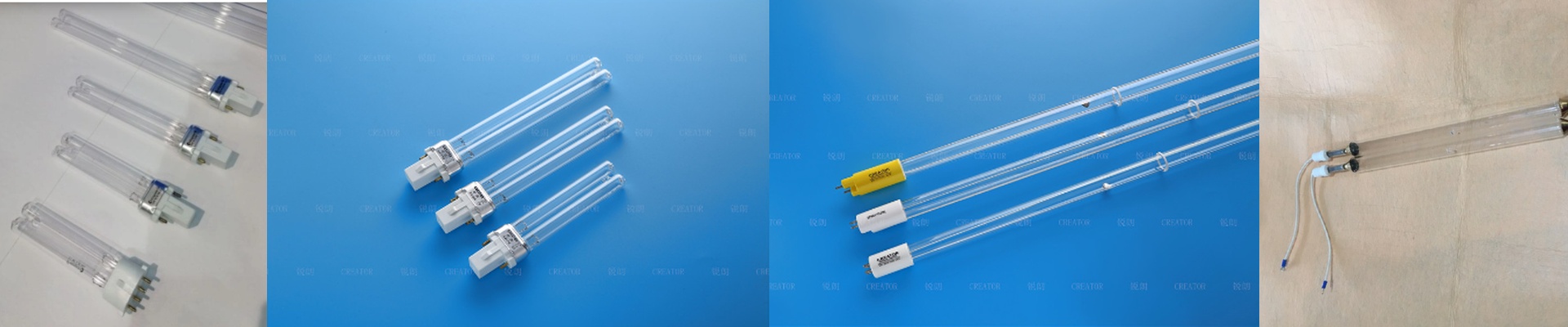
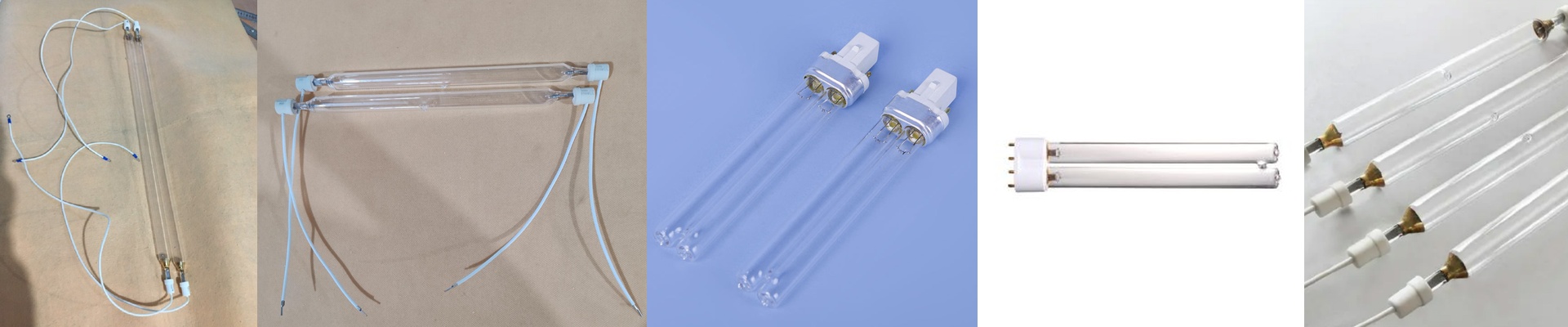
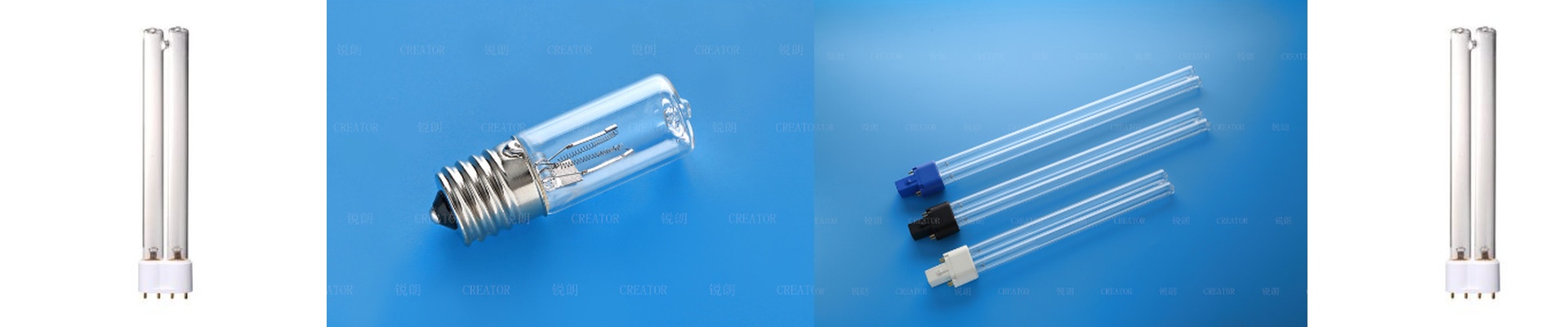
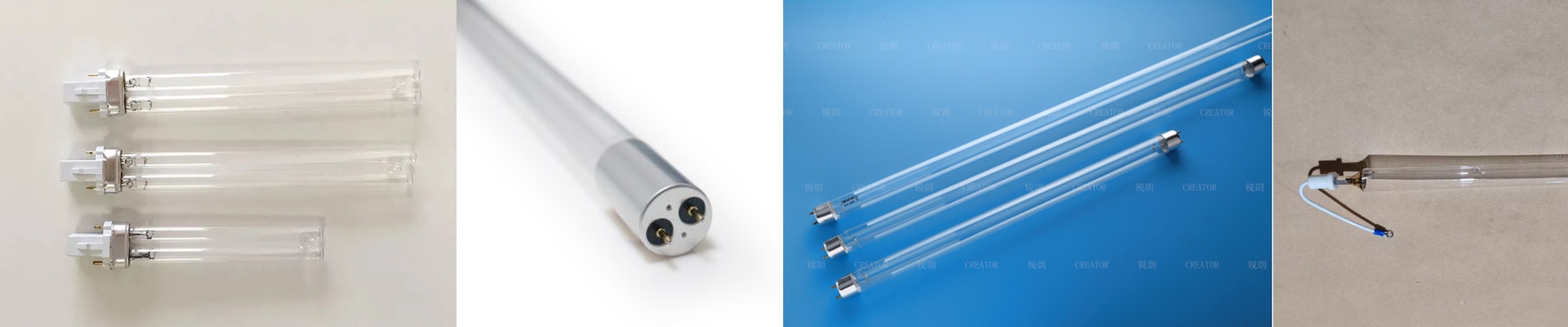
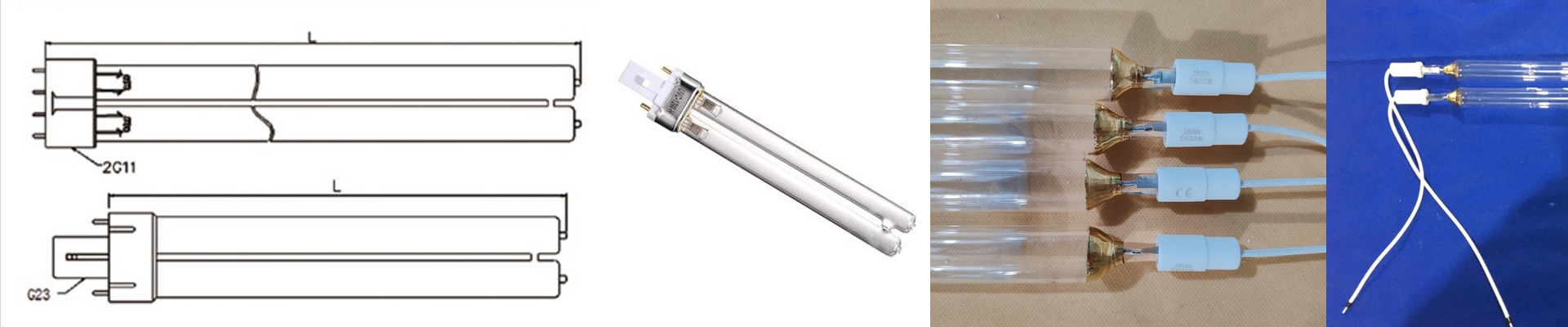
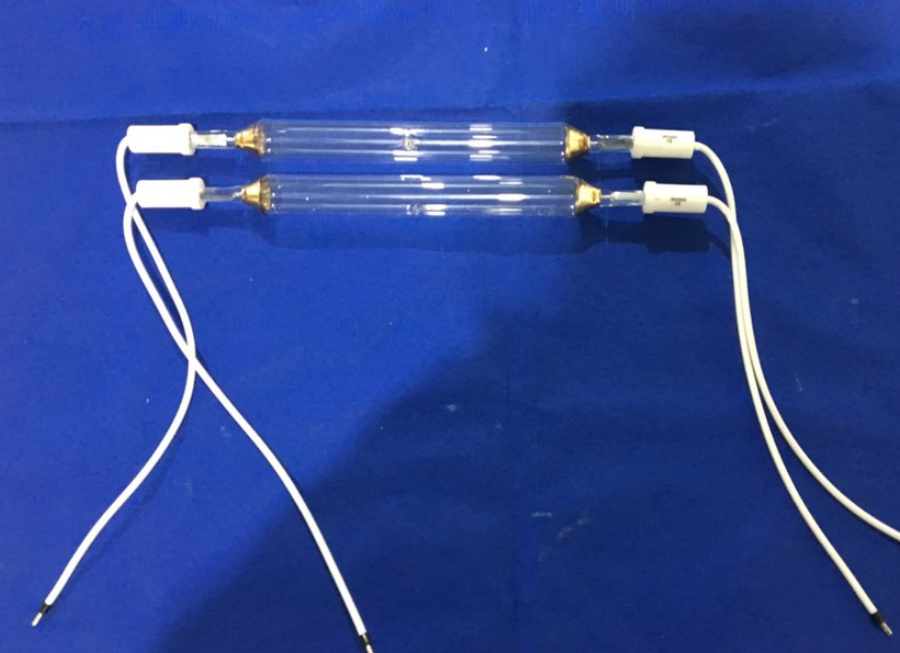
Sometimes, the standard mercury vapor lamps you find everywhere just don’t do the job. They’re great for 254nm, but if your project needs something in that 300nm to 400nm sweet spot, you’re out of luck with off-the-shelf gear. That’s where our gallium iodide (GaI) tubes come in. We don’t just “make” these; we tune them. It’s all about the right mix of doping and pressure inside the quartz. The secret is in the gallium. By tweaking the concentration and the internal pressure, we can shift the light to hit a very specific wavelength. This is huge because it means you can target the exact molecular bonds you’re after in a photochemical reaction. No wasted energy. No guesswork. We also use high-purity synthetic quartz. Why? Because cheap glass is a nightmare. If the grade is too low, the tube “solarizes”—meaning it basically clouds over and loses its punch after a few hundred hours. Nobody wants to replace their lamps every couple of weeks. Now, let’s talk power. You can’t just plug these into anything. You need a stable power supply and a ballast that actually matches the tube’s impedance. If they aren’t in sync, the lamp either won’t start or it’ll burn out way too fast. It’s a frustrating way to waste a good tube. And keep an eye on the heat. Those electrodes get hot. Really hot. Make sure your housing has plenty of airflow. If the ends of the tube overheat, the quartz starts to soften. Once that seal fails, the lamp is toast. The honest trade-off. Look, these lamps are powerful and precise, but they aren’t cheap. Gallium is expensive, and the tuning process is finicky. Even a tiny slip-up with the fill gas can throw the whole wavelength off. That’s why we run every single batch through a spectrometer. We check the peak against your specs to make sure it’s spot on. As long as your cooling system can handle the heat of a high-wattage source, you’ll get exactly the light you need.