Let’s Talk About 80W/cm Mercury UV Lamps in Textiles
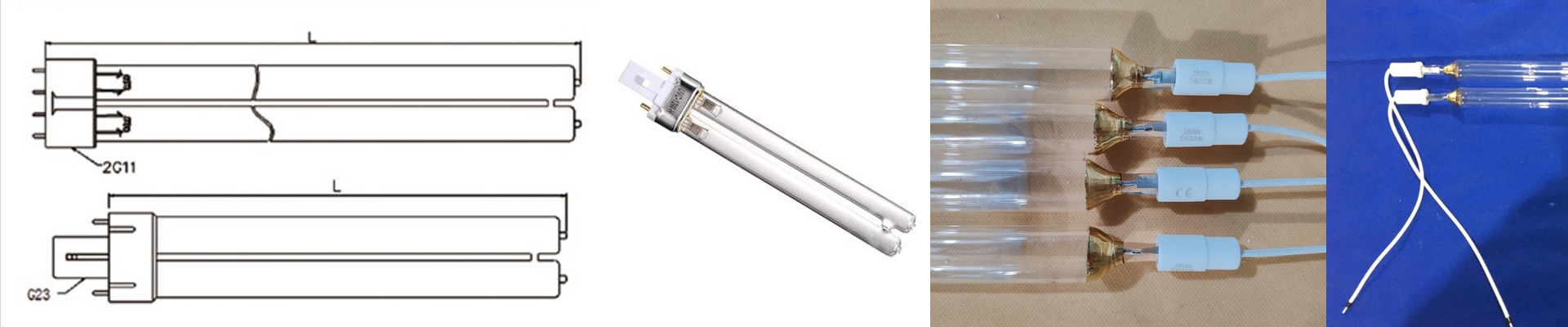
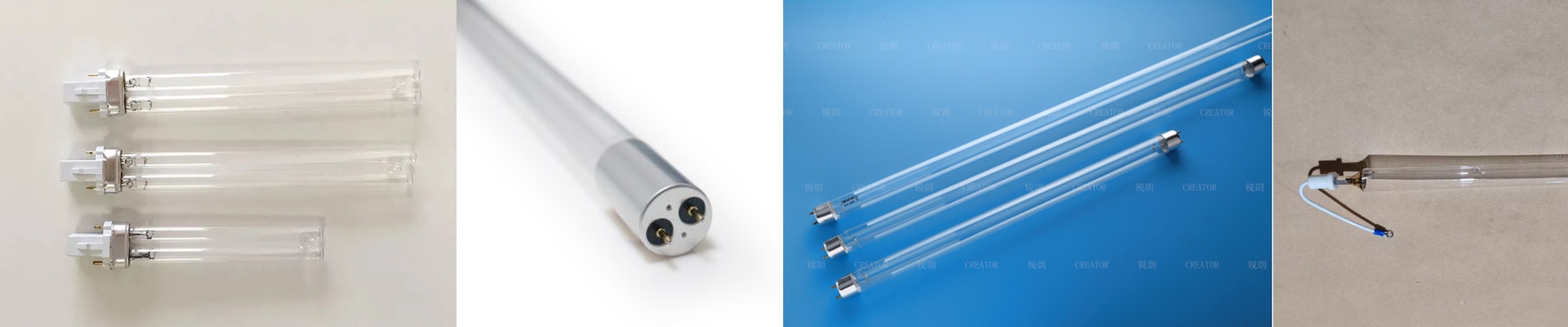
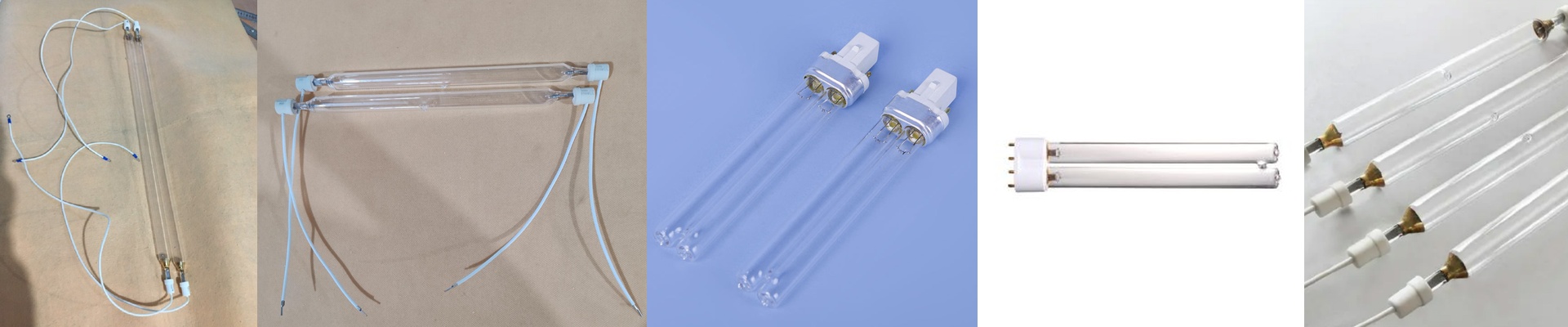
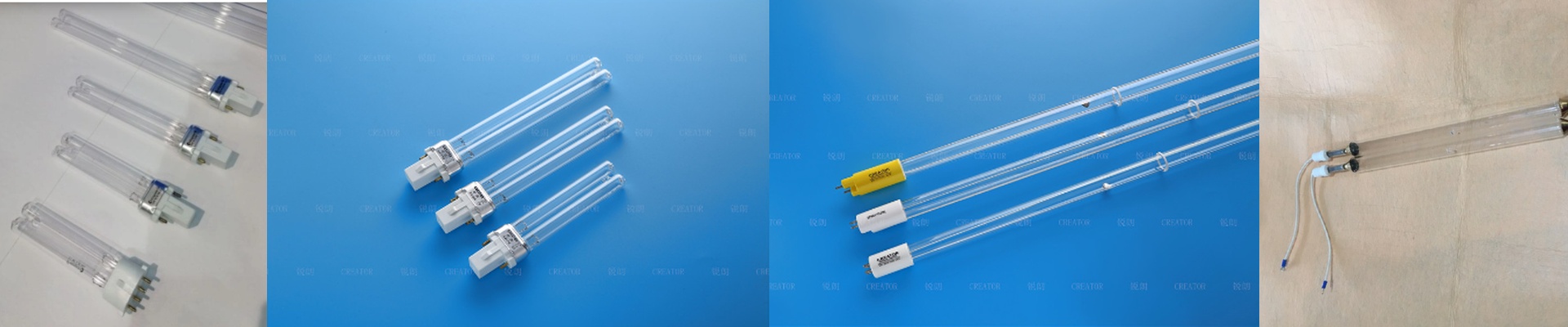
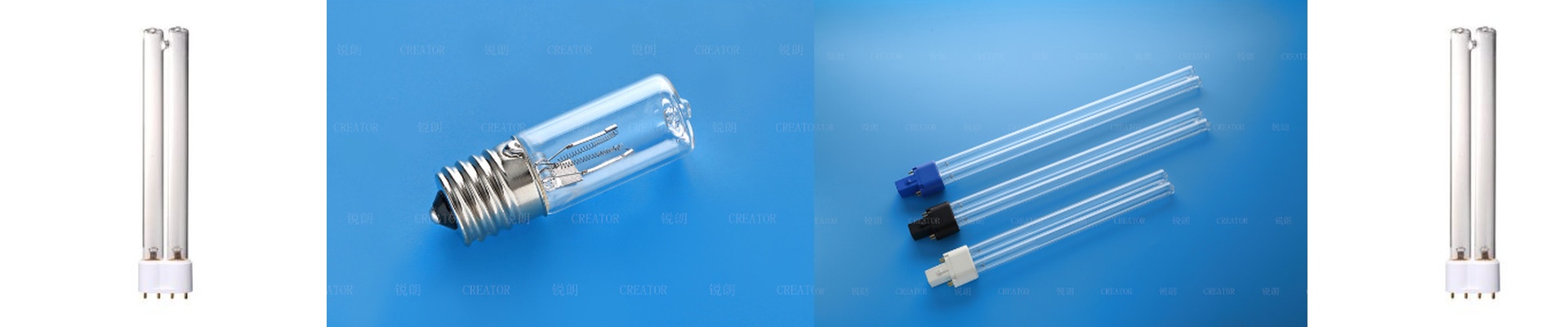
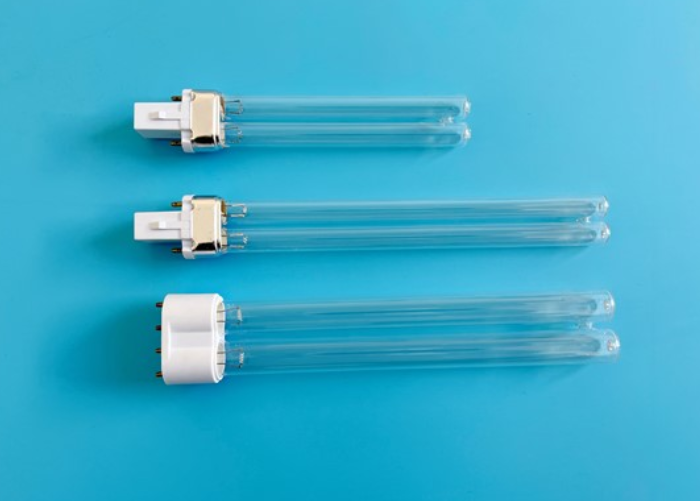
Ever wonder how a print on a t-shirt actually stays put? It’s not just about drying the ink; it’s more like a magic trick happening at a molecular level. That’s where those 80W/cm mercury vapor lamps come in. They trigger a reaction that basically welds the resins and pigments right into the fabric. The deal with power density When we talk about 80W/cm, we’re talking about the punch the lamp packs. You need that specific level of intensity to make sure the UV light doesn’t just sit on the surface, but actually sinks deep into the ink and hits the fabric. Mercury lamps are great because they hit a few different wavelengths (specifically 254nm and 365nm). This means they can handle everything from a thin surface coating to a thick, heavy-duty adhesive. If you try to skimp on the wattage, you’re asking for trouble. You’ll end up with “tacky” prints—that annoying sticky feeling—or worse, the design just peels off the first time the customer throws it in the wash. Nobody wants that phone call. Dealing with the heat Here is the tricky part: these things gethot. The quartz glass has to be tough enough to handle massive internal pressure and heat without warping. They’re built to slide right into those long conveyor tunnels, but you’ve got to have your wiring and ballasts dialed in. If they aren’t stable, you’ll get flickering, and the lamps will burn out way sooner than they should. And then there’s the infrared heat. At 80W/cm, it’s a lot. If your conveyor belt is crawling too slowly or your cooling fans are choked with dust, you’ll literally scorch the fabric. If you’re working with polyester, it can warp. Your cooling system needs to be beefy enough to keep up with the heat these arrays throw off. Where this actually happens You’ll see these lamps everywhere in a textile plant: ***Digital Printing:**For when you need that ink to set the second it hits the cloth. ***Special Coatings:**Like making a jacket water-repellent or flame-retardant. ***Screen Printing:**Getting those thick, heavy pastes to lock in. The best part? If your electrical leads and reflectors match up, these are usually a simple swap for your old system. Just plug them in and get back to work.