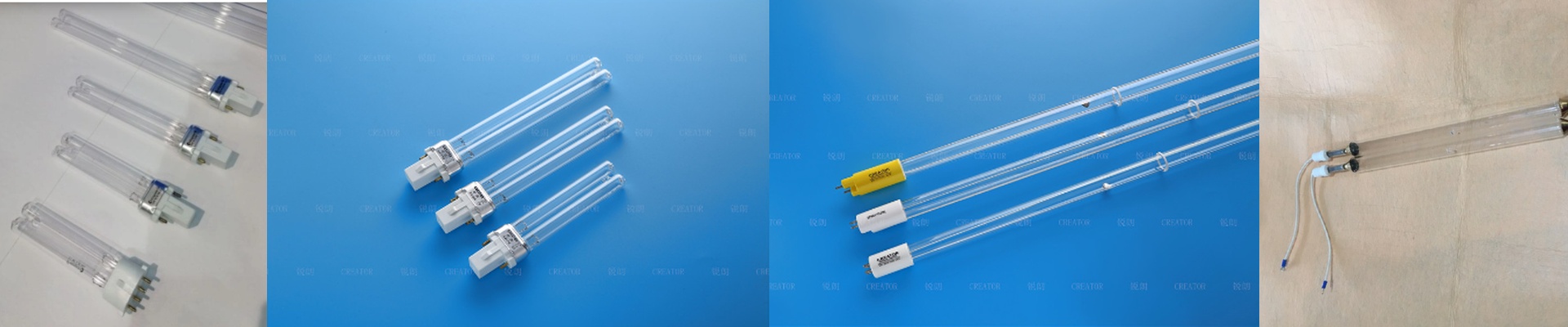
Getting the Most Out of High-Pressure Mercury UV Lamps
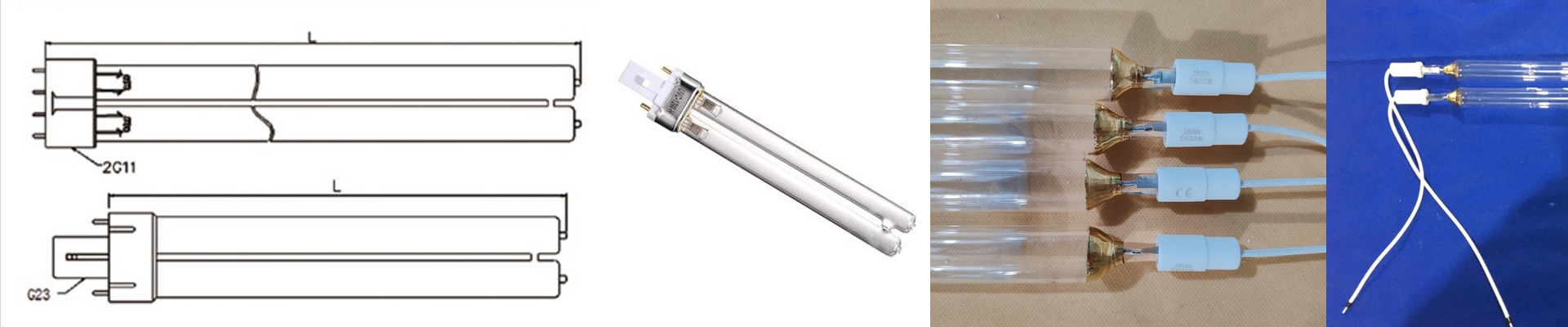
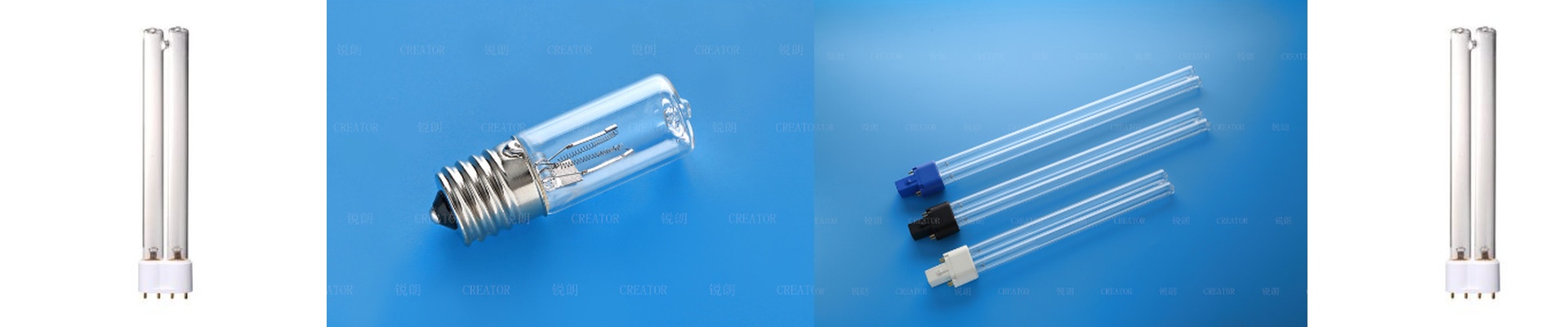
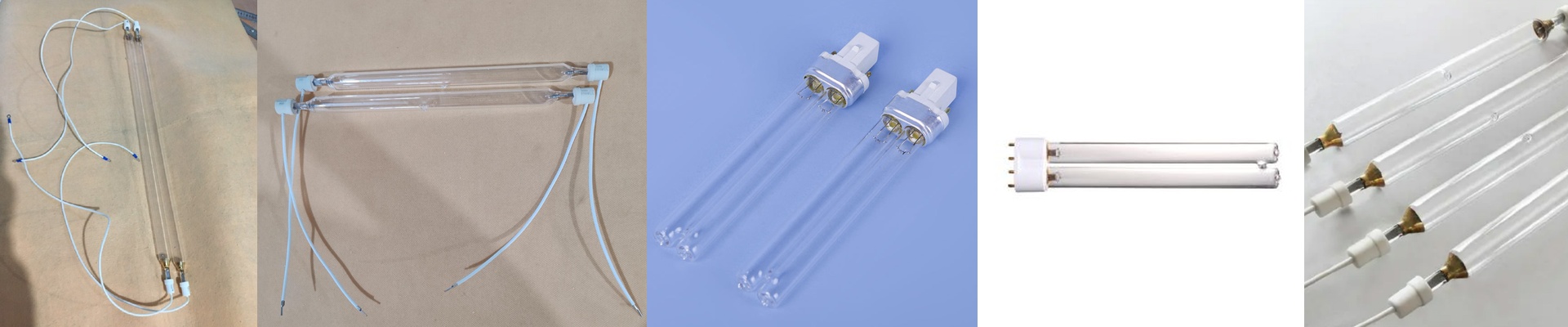
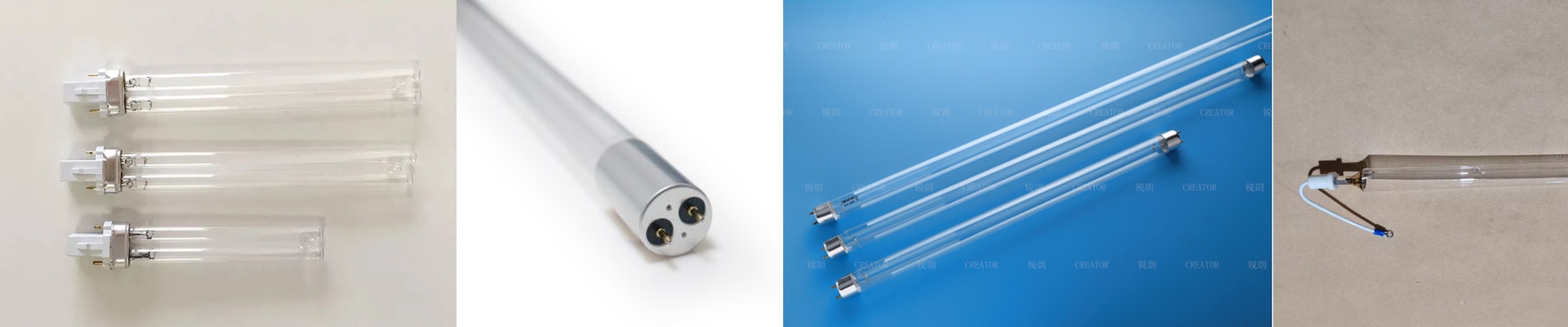
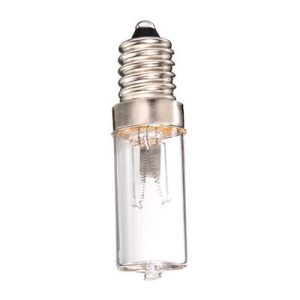
When we build these lamps, we aren’t just guessing. We’re aiming for those specific spectral peaks—mostly the 254nm and 365nm lines—because that’s what the 2026 industrial standards demand. Here’s the trick: by cranking up the internal pressure of the mercury vapor, we can broaden that UV output. It’s the difference between a thin layer of light and something that actually punches through thick coatings or polymers. The Heat Struggle Running these things is a bit of a balancing act with your wattage and voltage. If you push for higher power density, you get more UV flux per square centimeter. That means your cure times drop. It’s fast. Really fast. But there’s a catch. High-wattage tubes throw off a ton of infrared radiation along with the UV. If your cooling fans or water-jackets can’t keep up with that heat, your quartz envelope is going to stress out and burn out way sooner than it should. Quartz and Coatings We stick with high-purity fused quartz because it’s the only way to make sure the UV actually gets out. Standard glass just blocks it. Sometimes, we add internal coatings to filter out the wavelengths you don’t need. This keeps your substrate from overheating while keeping the UV intensity right where it needs to be. And since we use standardized end-caps, you can just drop these into your existing rigs without worrying about the electrical contacts arcing under high voltage. Real-World Setup You’ll usually see these in sterilization tunnels or high-speed curing lines. The goal is simple: you want a consistent UV dose across the whole product. No gaps. We spend a lot of time calibrating the focal length of the reflectors to kill off those annoying “cold spots.” One last tip: double-check that your ballast matches the lamp’s impedance. If they don’t talk to each other properly, you’ll get a flicker—or worse, the tube will just pop the moment you flip the switch. Getting the wavelength control right doesn’t just save energy; it keeps your materials from degrading.