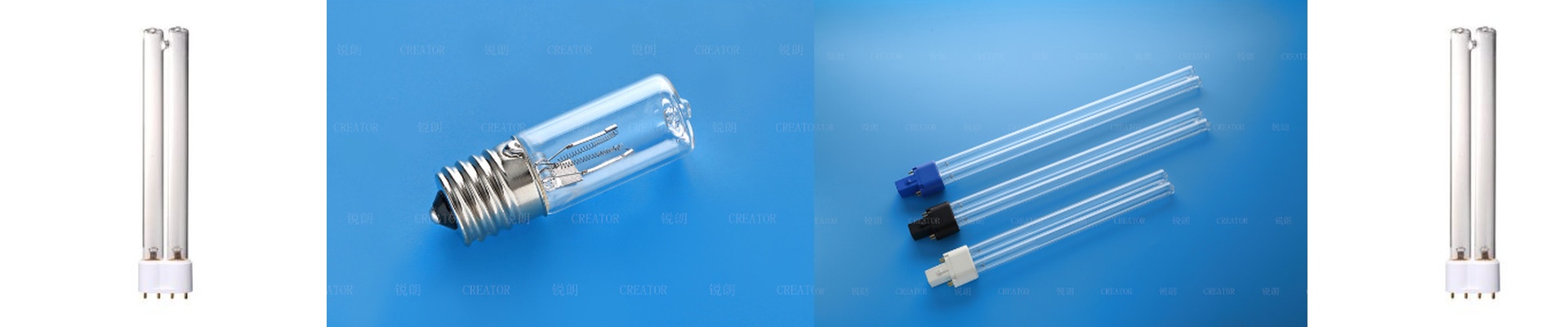
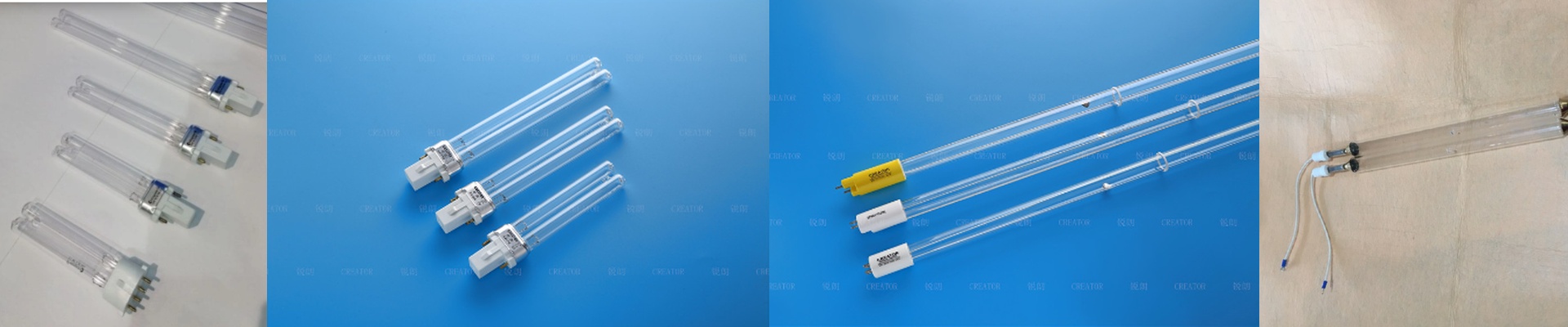
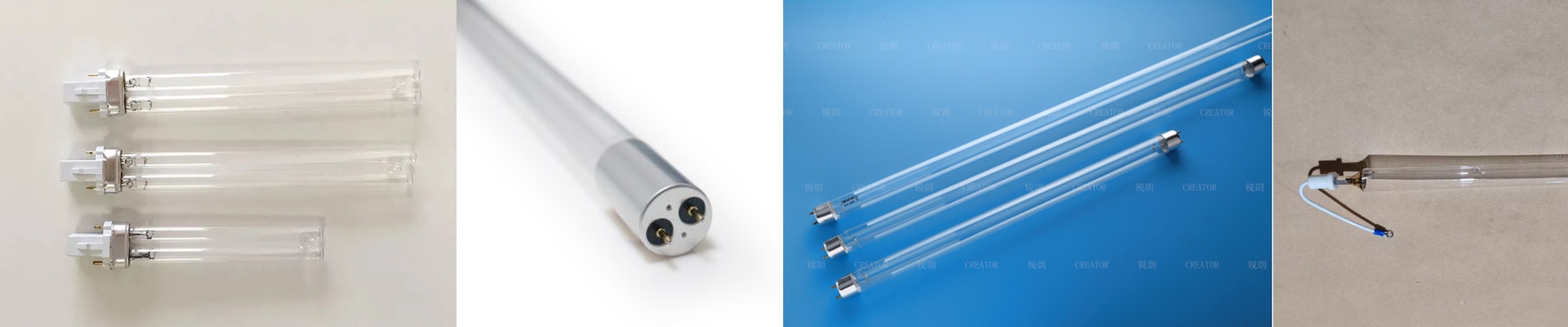
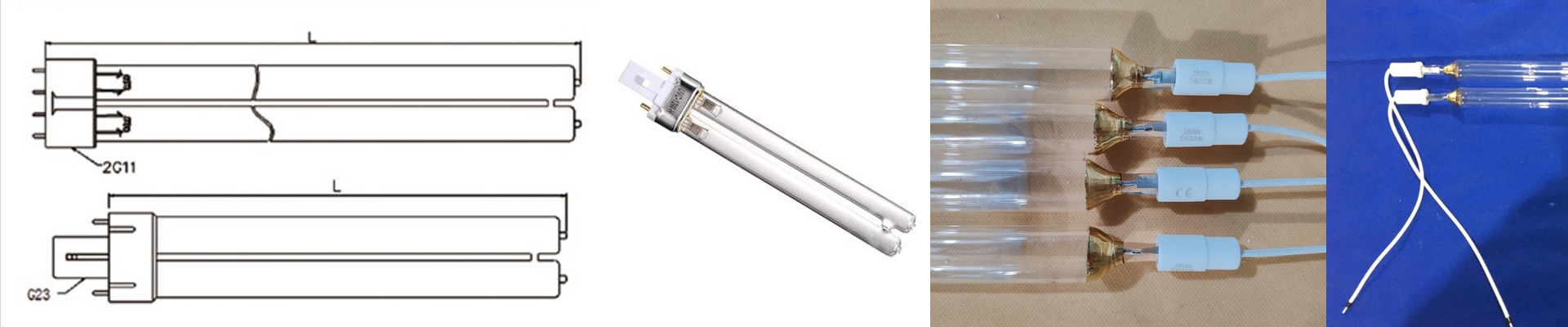
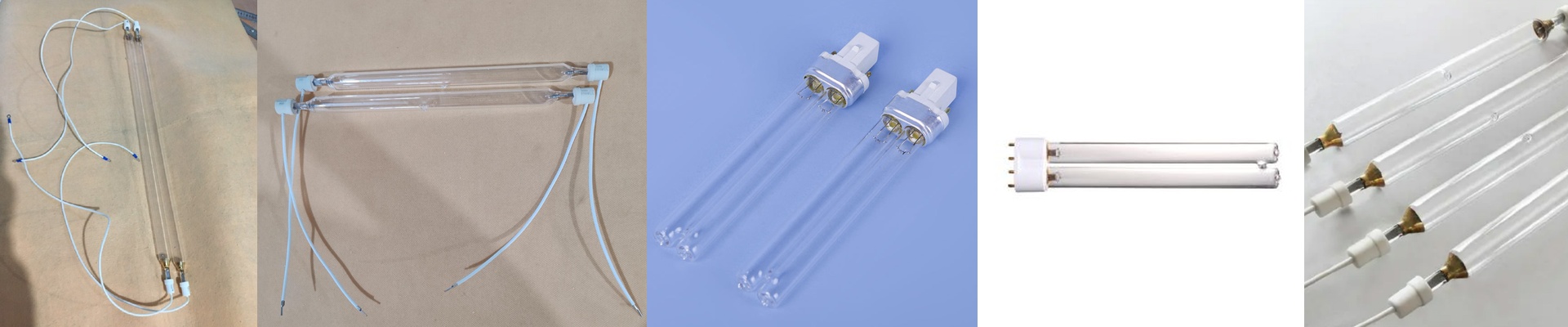
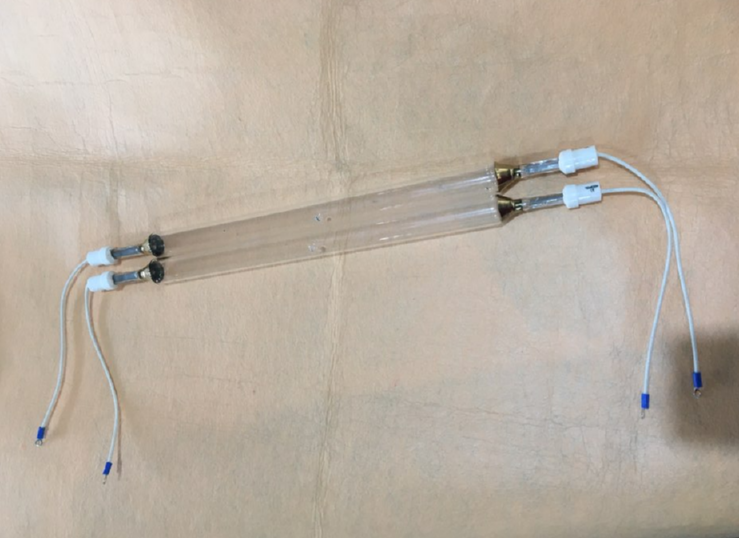
On the floor, heat-sensitive fabrics—lycra, recycled polyester, ultra-thin knits—don’t forgive a drifting cure profile. Traditional UV systems throw a lot of broad IR at the substrate, and you pay for it in shrinkage, curl, and lost registration. We built our ultraviolet high-pressure mercury lamps around a cold-light architecture. The spectral output leans hard on 365 nm, and we keep the IR tail tightly controlled. Energy goes into exciting the photoinitiator, not cooking the substrate. What matters under the hood These lamps hold a stable 365 nm output for deep cross-linking, and the dichroic-coated reflector shapes the beam into a uniform, focused profile. Peak irradiance at the web stays repeatable, and the curing window is defined in mJ/cm²—not by whatever the ambient temperature happens to be. The quartz envelope and mercury vapor chemistry keep the spectrum stable over thousands of hours. Hold lamp current within spec, and you’re looking at less than 5% output drop by 5,000 hours. Ozone-free operation keeps the curing zone clean and cuts down on maintenance for the sensitive bits. Why this approach fits textile work When you’re printing on heat-sensitive textiles, the cold-light approach protects hand feel and dimensional stability—while still curing pigmented inks at line speed. The 365 nm band lines up with the photoinitiators in UV-curable flexo and screen inks, so you get full cross-linking without scorching the fabric. You’ll see better control on dot gain in fine detail, fewer pinholes on coated substrates, and less edge curl that sends good work to the reject pile. Energy use drops because the reflector concentrates output where it’s needed, not as waste heat. The practical details that make or break it Matching the lamp to the press matters. Offset, flexo, screen, and rotary screen lines each want different reflector geometry, lamp length, and power density. The lamp has to be integrated with the right power supply, shutter interface, and airflow ducting. If the cooling airflow doesn’t match, you’ll shorten electrode life and watch the spectral curve drift. Plan lamp-to-web distance early. Too close, and the substrate overheats. Too far, and cure energy falls below the ink’s threshold. Measure cure energy with a radiometer, then lock in the operating window.