Getting UV Lamps Right in Your Textile Line
Most people think UV lamps are just for drying things. But in a real textile shop, they’re more like a secret ingredient. They don’t just “dry”—they actually trigger a chemical reaction that locks inks and coatings right into the fabric.
The Balance of Power and Speed
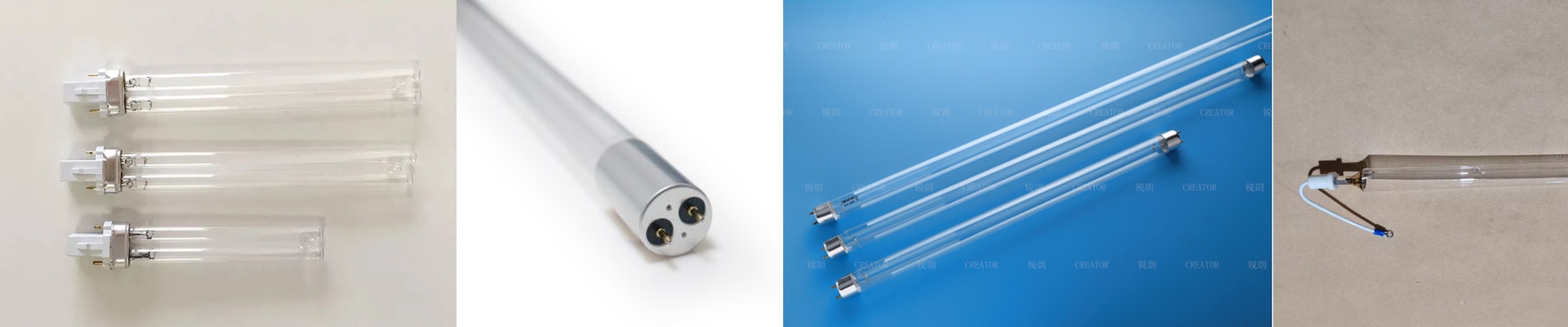
Here is the tricky part: you can’t just plug in any lamp and hope for the best. Depending on where you are in the process, you need a specific wavelength. Take screen printing, for example. You’ll likely use high-intensity UV-C lamps to cure your inks. You need enough power to push that ink deep into the weave, but not so much that you scorched the fabric. It’s all a balancing act with your line speed. If you crank up the conveyor belt to move faster, you’ve got two choices: bump up the wattage or move the lamps closer to the fabric. If you don’t, your ink won’t set, and you’ll have a mess on your hands.
Dealing with the Heat
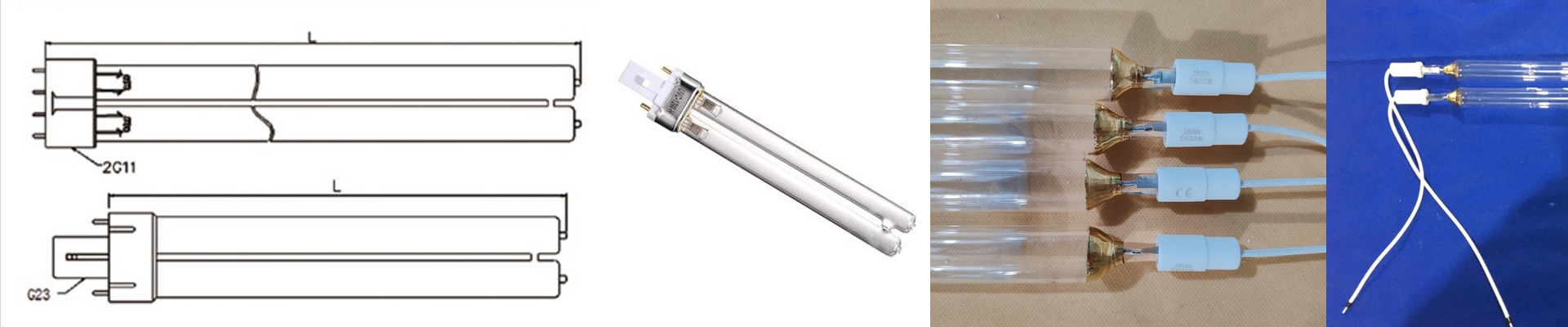
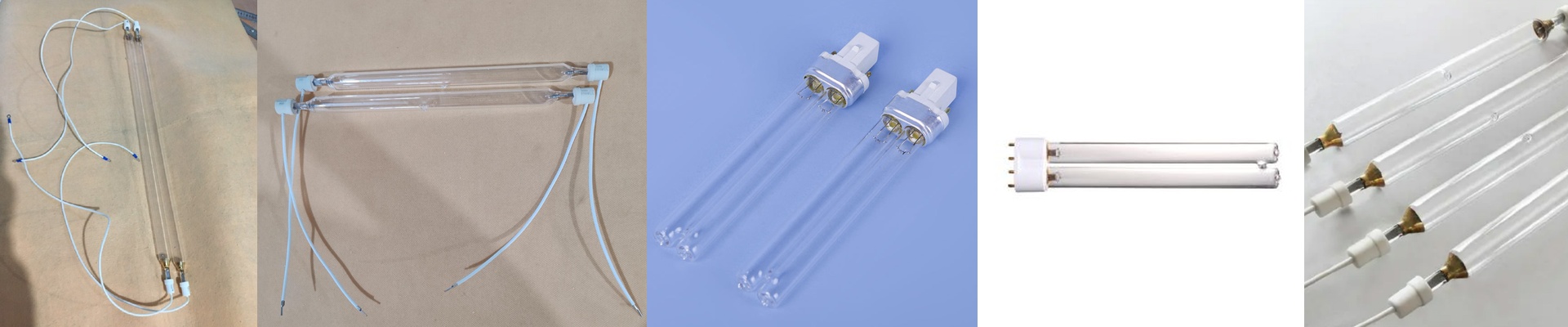
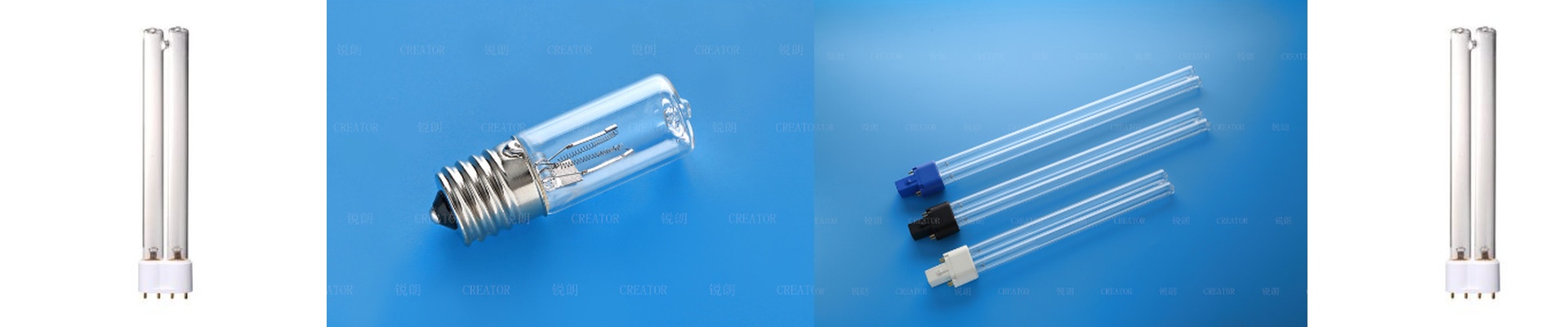
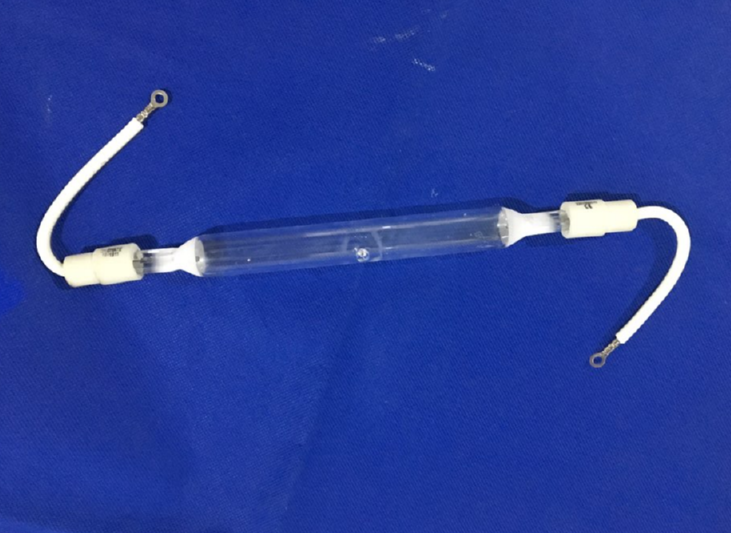
We use high-purity quartz glass for these lamps because it lets the UV light through without any interference. But there’s a catch. High-output lamps gethot. Really hot. If your cooling system isn’t up to the task, you’re going to have problems. Synthetic fabrics like polyester are sensitive; too much heat and they’ll shrink right before your eyes. To stop this, we usually add reflectors. They push the UV energy straight down onto the garment and keep the heat away from the material.
Where They Actually Fit In
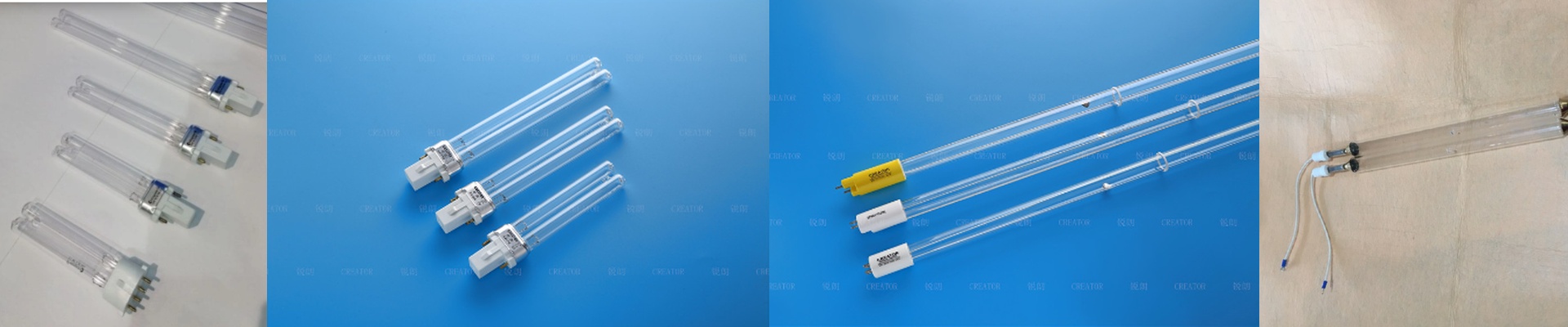
You’ll see these lamps popping up at a few different stages: *Right at the start, where they prep the fibers so the dye actually sticks. *During printing, so the ink cures instantly. This is a lifesaver because it means you can fold the clothes immediately without worrying about smudges. *At the end, to lock in things like antimicrobial or water-resistant coatings. One last tip: double-check your ballasts. If the impedance doesn’t match the lamp, you’re just wasting money because the lamps will burn out way too fast. Most of these are easy drop-in replacements for standard housings, but just check your measurements before you hit “order.” It saves a lot of headaches later.