Getting Your UV Systems Right for Textile Prints
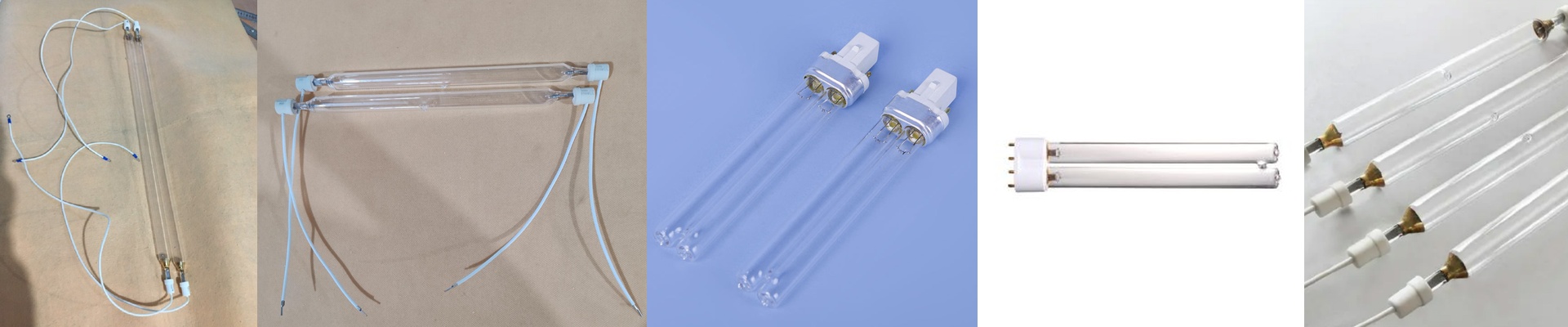
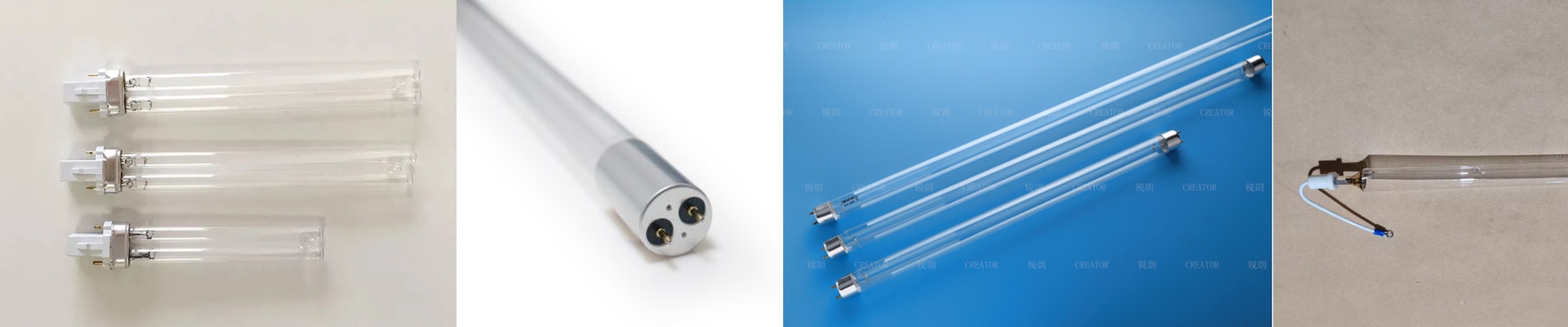
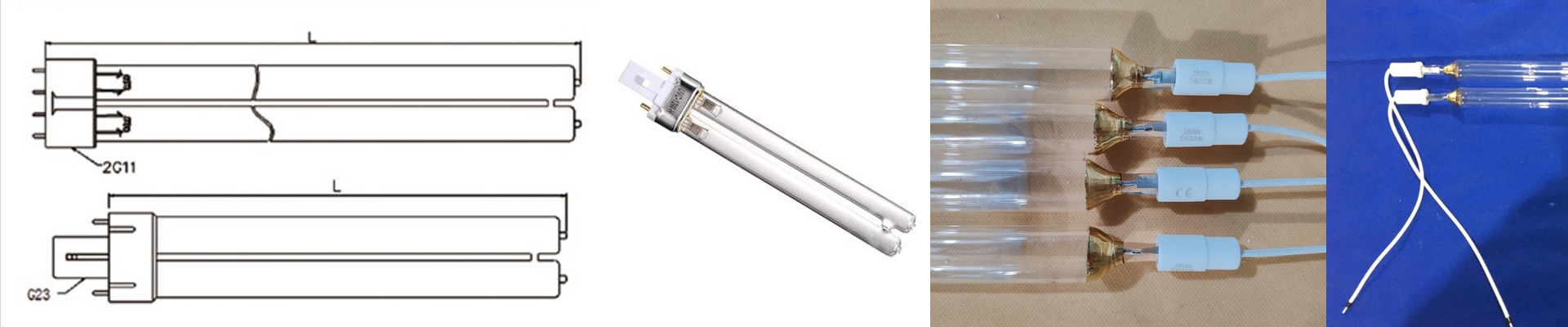
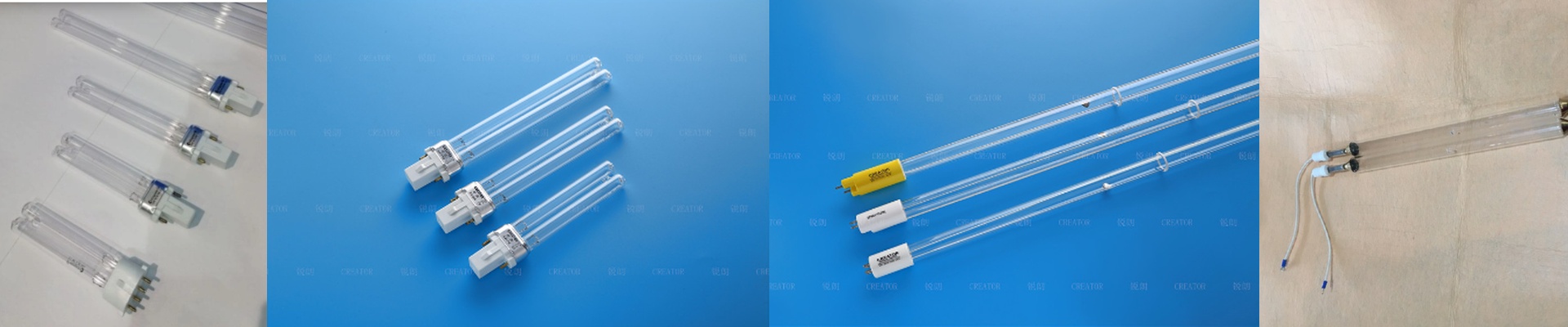
When you’re dealing with UV systems in textile printing, it’s not just about zapping microbes. It’s a balancing act. You want to lock in that ink chemistry perfectly, but if you aren’t careful, you’ll end up scorching your fabric. We build our systems to hit that sweet spot—plenty of UVC power, but with enough cooling to keep your delicate fibers safe. The trick to the output Here’s the thing: we stick to narrow-band UVC. Why? Because we want the energy hitting the ink, not wasting power by turning into infrared heat. If you’re planning your line, remember that wattage per linear meter is what dictates your speed. It’s tempting to crank the wattage to move more fabric through the shop, but that’s how you overheat your materials. To stop those annoying curing streaks from showing up on your prints, we use precision ballasts. They keep the arc steady so you don’t get any flicker. Stuff that actually lasts We use high-purity fused quartz for the lamp envelopes. It’s tough. It lets the UV light through while taking a beating from the intense heat inside the tube. Then there are the connectors. We’ve seen way too many cheap connectors arc and burn out in humid factories. It’s a nightmare. That’s why we use industrial-grade terminations. They can handle the constant expanding and contracting as the machine heats up and cools down without failing on you. Real-world shop floor tips Space is always tight on a print line. We recommend a modular array. It makes life so much easier because you can just swap out a tube without having to tear the whole rig apart. But keep in mind, high-intensity UV eventually wears down the quartz. After a few thousand hours, you’ll notice the power dropping.**Keep a close eye on your lamp hours.**If you wait too long to replace them, your prints will smudge, and that’s a headache nobody wants. And one last thing: don’t skimp on the cooling fans. If those lamps run too hot, the UV output actually drops. You’ll end up fighting your own equipment, which completely defeats the point of having an energy-efficient setup.