Getting the Most Out of Our 120W/cm Mercury UV Lamps
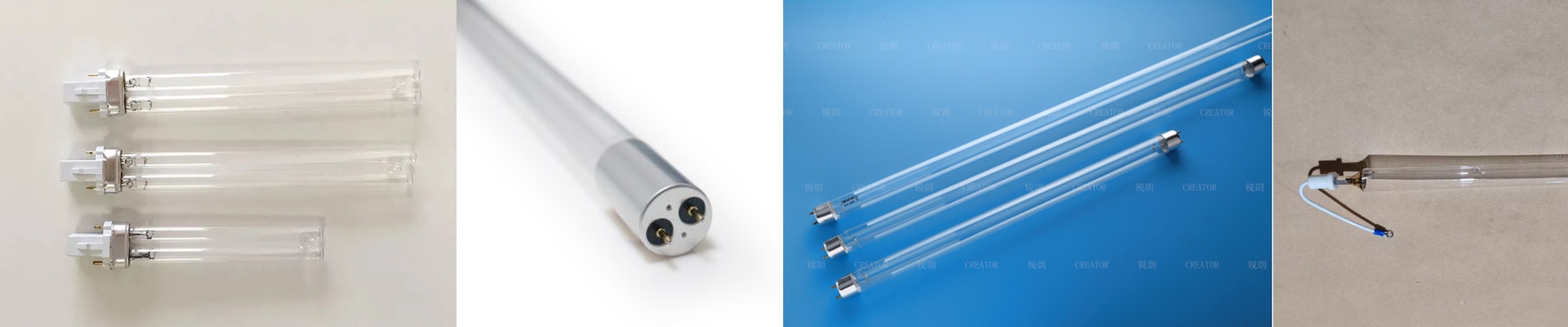
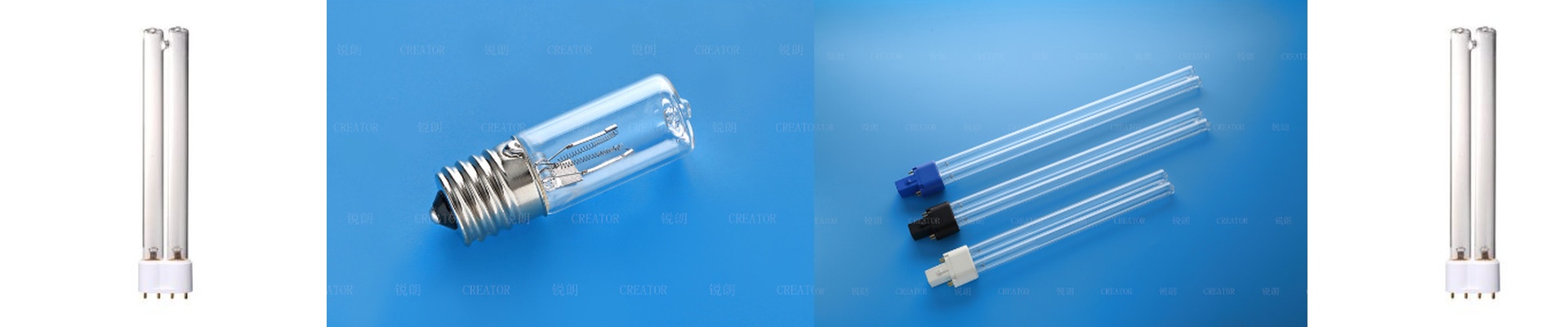
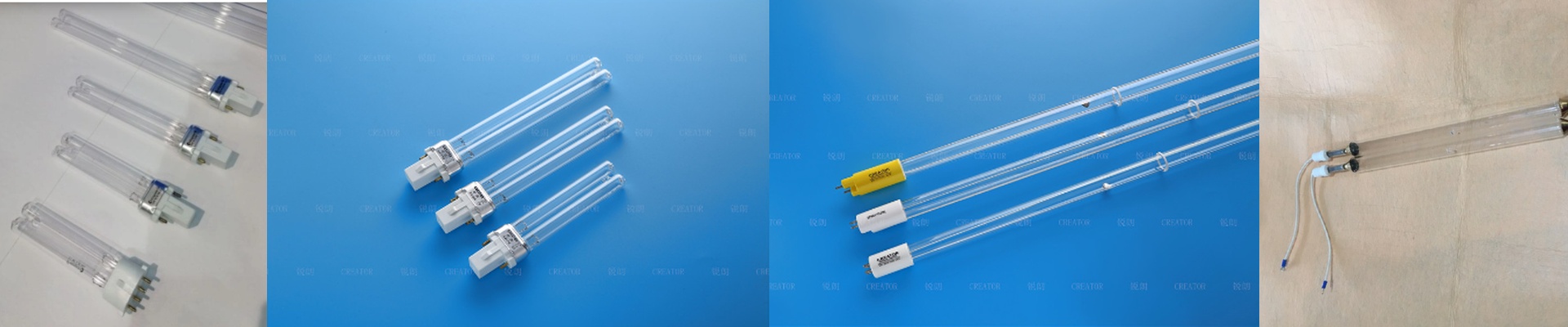
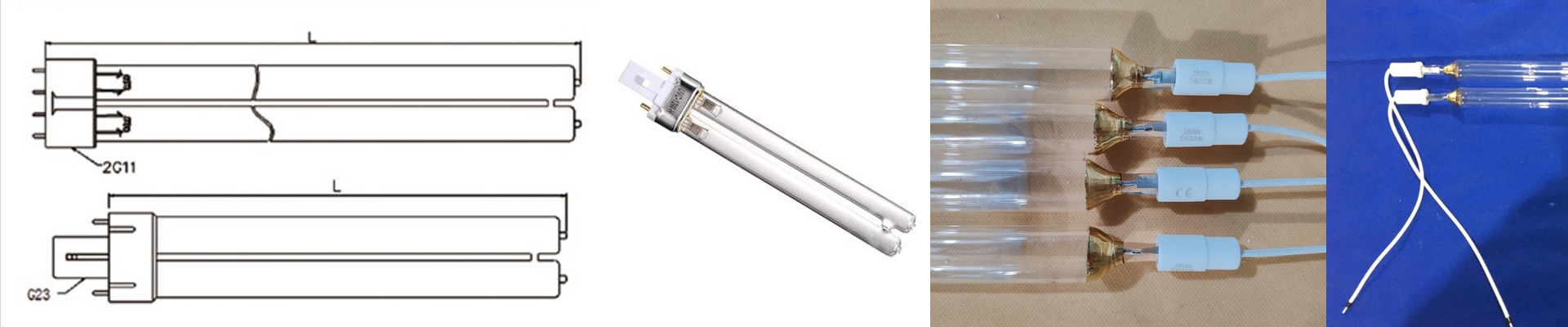
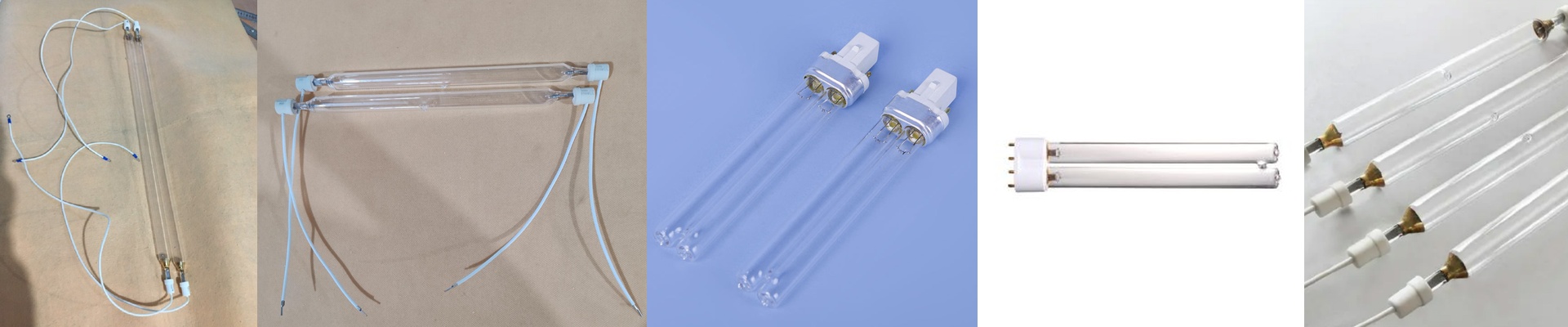
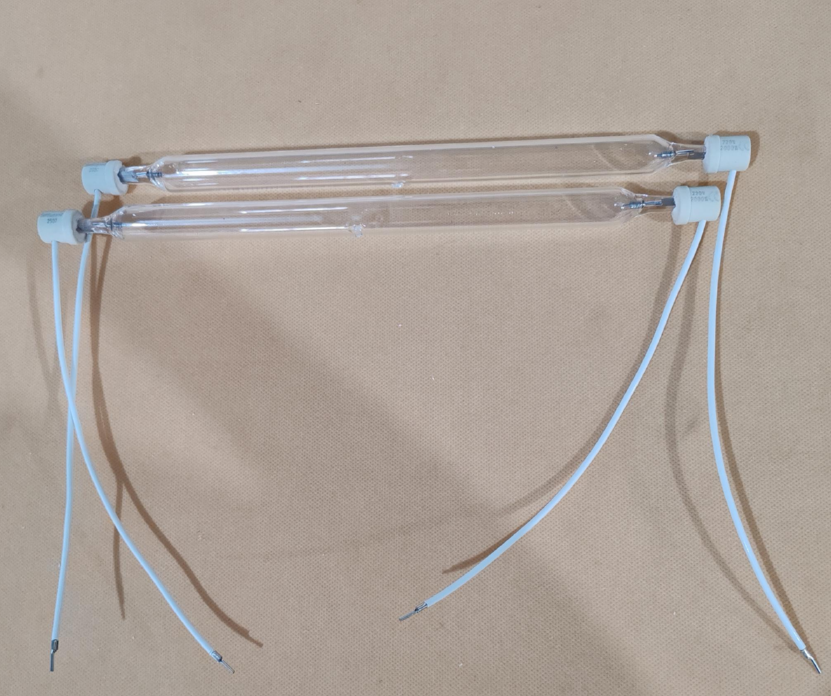
When you’re running a high-speed curing line, you need surface energy delivered now. That’s why we built the 120W/cm mercury lamp. It’s less of a “bulb” and more of a precision tool meant to snap inks, coatings, and adhesives into place instantly. The heat is real. Pushing 120W per centimeter means we’re packing a massive amount of energy into a tiny space. We use high-purity mercury vapor to keep the spectral output steady—mostly hitting those UVC and UVB ranges. But here’s the thing: that kind of power generates a lot of heat. The quartz envelope gets incredibly hot. If your cooling fans or water-jackets aren’t pulling that heat away fast enough, you’re asking for trouble. You’ll either see the lamp life tank or, worse, the quartz will crack from thermal shock. Why the build matters. We use fused quartz for the tube because it lets shortwave UV radiation pass right through without the glass soaking it up. And we’ve spent 15 years obsessing over the gas mixture. Why? Because lower-grade lamps often “burn out” at the ends. We’ve calibrated our fill to keep the arc centered. When the arc starts wandering, you get hot spots on your product and uneven curing. Nobody wants that. Keeping things running. These are designed to drop right into your existing industrial UV systems. Just double-check that your ballast matches the striking voltage before you flip the switch. A pro tip: check your electrodes for pitting every 1,000 hours. If the ends look charred, just swap the lamp. It’s much cheaper to replace a bulb on your own schedule than to have one fail mid-run and scrap an entire batch of product. Also, make sure it’s aligned perfectly in the reflector. That’s the only way you’ll actually hit your target mW/cm² on the conveyor.