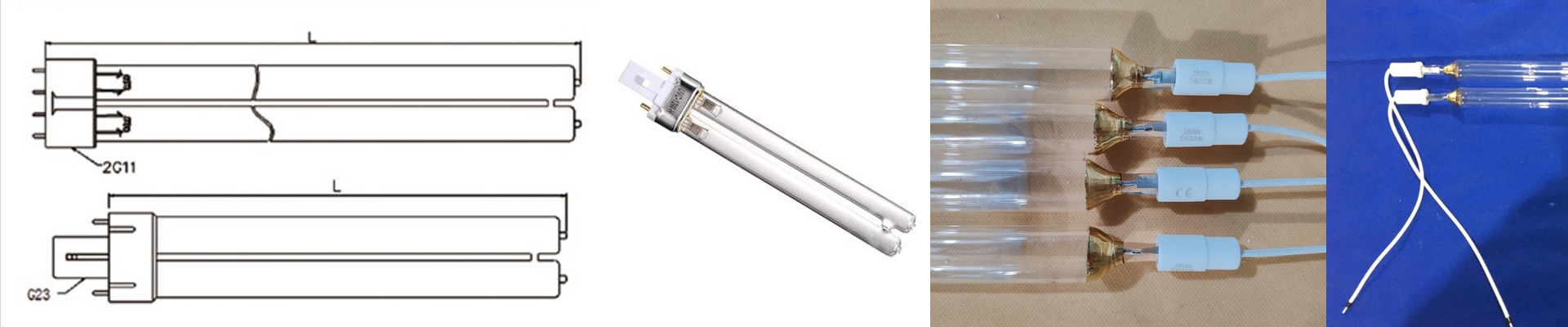
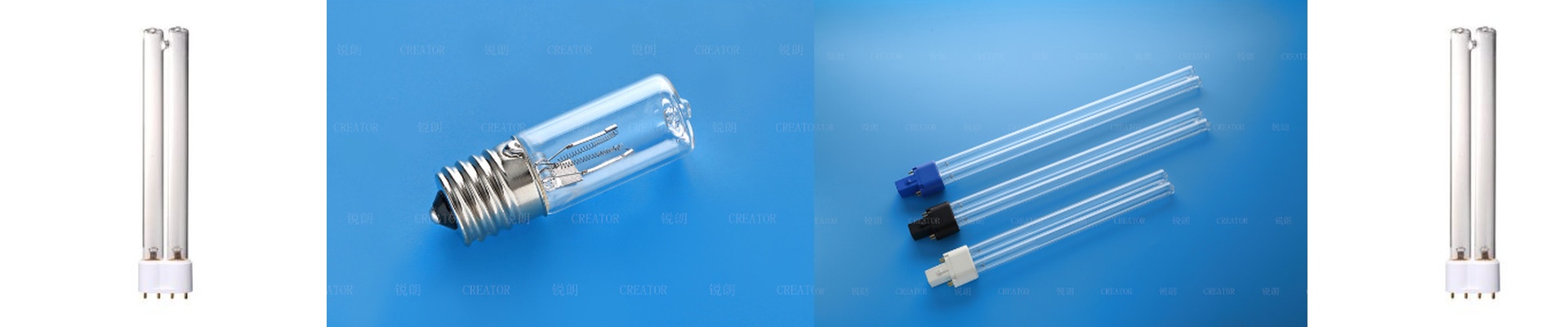
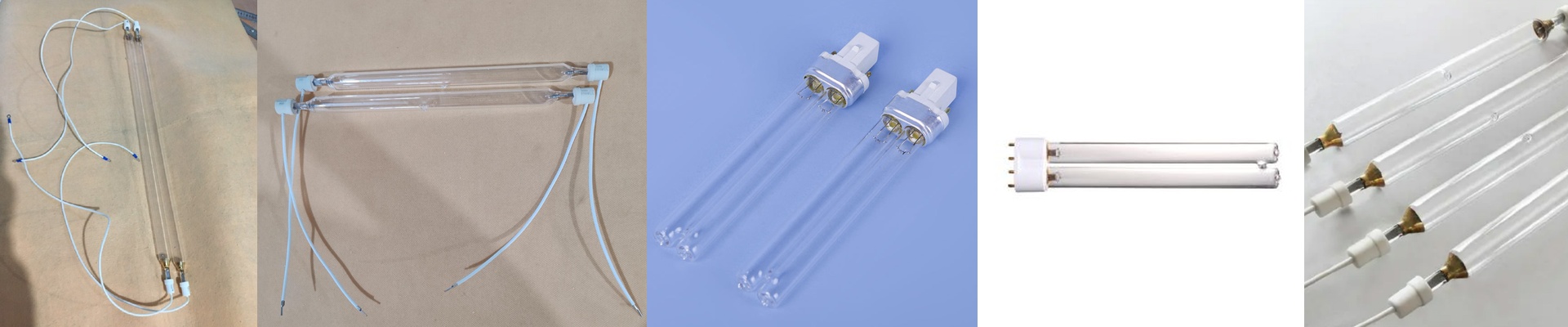
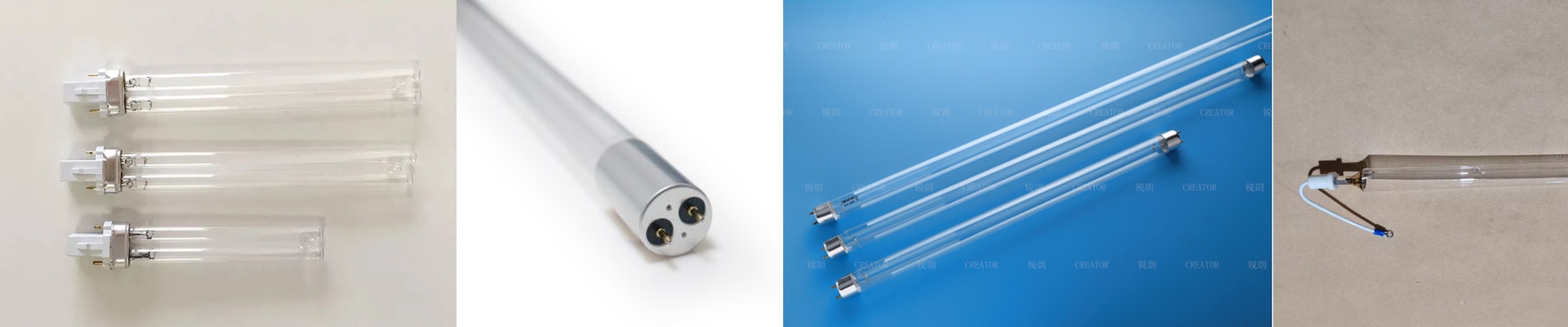
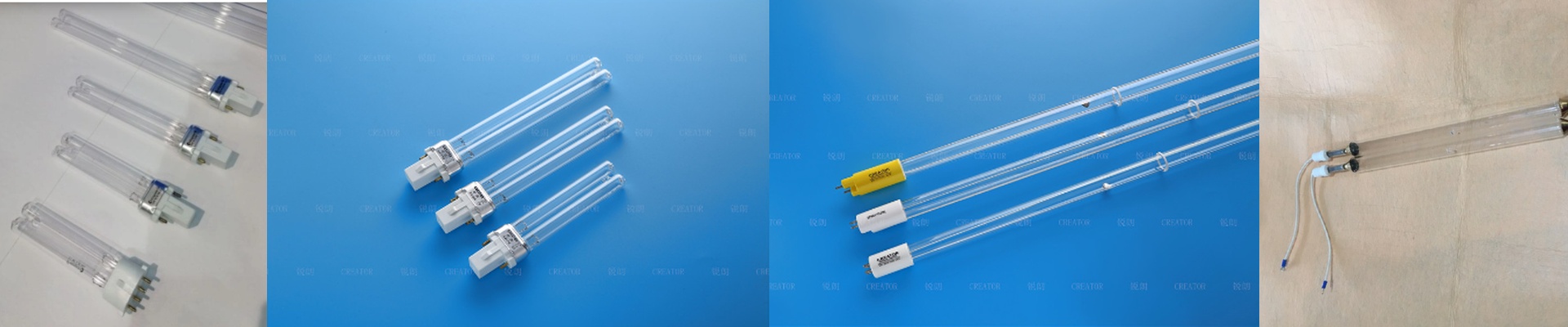
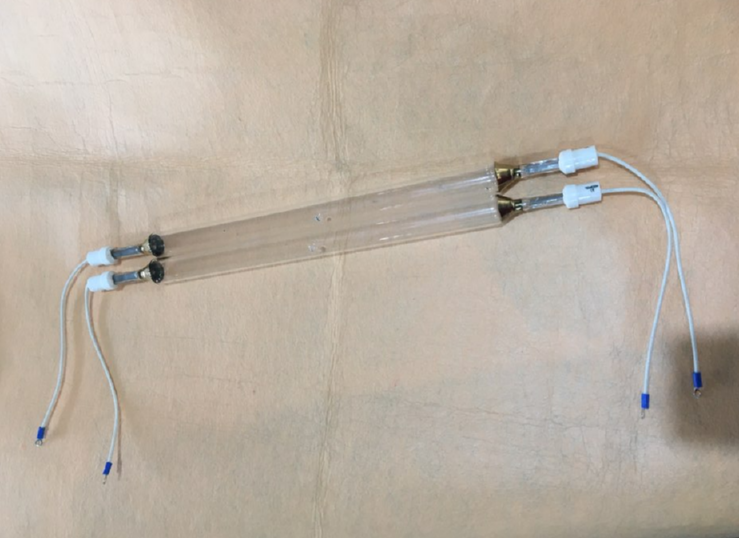
15 Years of Trial, Error, and Better UV Lamps
For a long time, we just did the easy thing: we white-labeled other people’s lamps. But after 15 years of that, we got tired of the long wait times and the “take it or leave it” quality of the big international brands. We wanted something better. So, we started building our own. The goal was simple. We wanted the same punch and the same lifespan as the top-tier stuff, but without the headache of waiting months for a shipment.
The battle with heat and voltage
Here’s the thing about mercury vapor lamps: they’re finicky. To keep a stable arc, you have to balance pressure and temperature just right. If you cram high wattage into a short tube, the heat density goes through the roof. That’s usually where the cheap lamps give up. They soften. They bow. They break. To stop that, we use high-purity fused quartz. It’s tough. It doesn’t flinch when it’s running 24/7 in a hot factory. We spec our tubes to handle high voltage loads so you don’t have to deal with flickering or the arc dropping out right when you’re in the middle of a big run.
Why some lamps “black out”
Ever notice how some UV lamps get those dark, burnt-looking ends? That “blackening” is a killer—it eats your UV intensity. It happens because the electrodes evaporate too fast. To fix this, we use tungsten filaments with specific dopants. It sounds technical, but it basically just means the electrodes last longer. We also tightened the tolerances on the tube diameter. It’s a small detail, but it makes the UV-C output consistent from one end of the lamp to the other. No dead spots.
Putting them to work
These are designed to be drop-in replacements. You can plug them into your current ballasts and get moving. But a word of warning: check your airflow. High-wattage mercury lamps throw off a massive amount of IR heat. If your fans are clogged or your reflectors are pitted and dirty, the tube is going to overheat. It doesn’t matter how well we build them—if they can’t breathe, they’ll burn out. Keep your cooling in check, and these things will take a beating in any industrial environment.