Making UV Curing Actually Work in Textile Plants
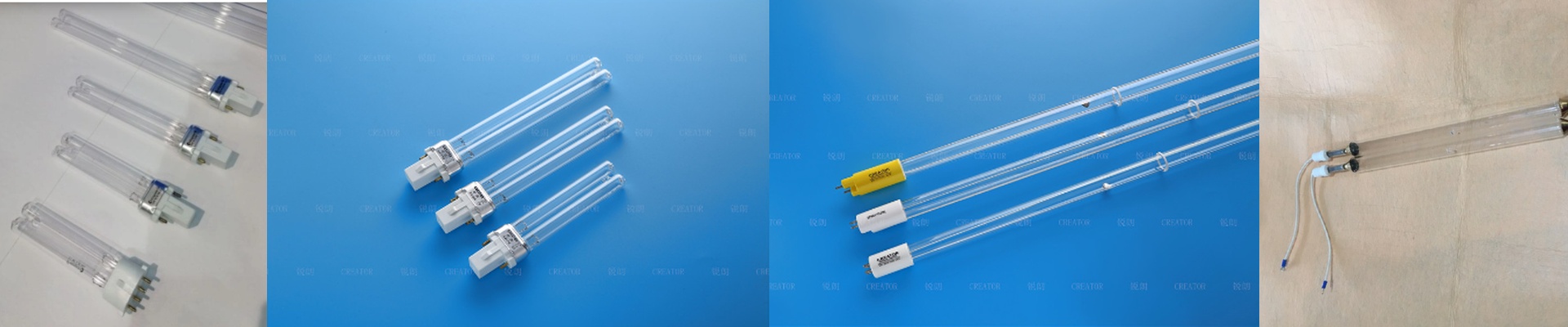
Most people think UV curing is just the final step before shipping. But in reality, we’re using these modular lamps everywhere—from the moment the fibers are treated to the final touch on a finished garment. It’s pretty simple: the UV light hits the ink or coating and triggers a reaction that hardens it almost instantly. No waiting around for things to dry.
Power, Speed, and the Heat Problem
The great thing about a modular setup is that you can scale the wattage to match how fast your line is moving. If you’re running high-speed textile rolls, you need high-intensity lamps. You have to make sure the fabric gets a full dose of UV before it zips past the focal point. But here’s the catch. If you try to cram too much power into a tiny footprint to save space, things get hot.**Really hot.**If your cooling system isn’t up to the task, you’re going to end up scorching your fabric, and that’s a nightmare nobody wants.
Why Modular Just Makes Sense
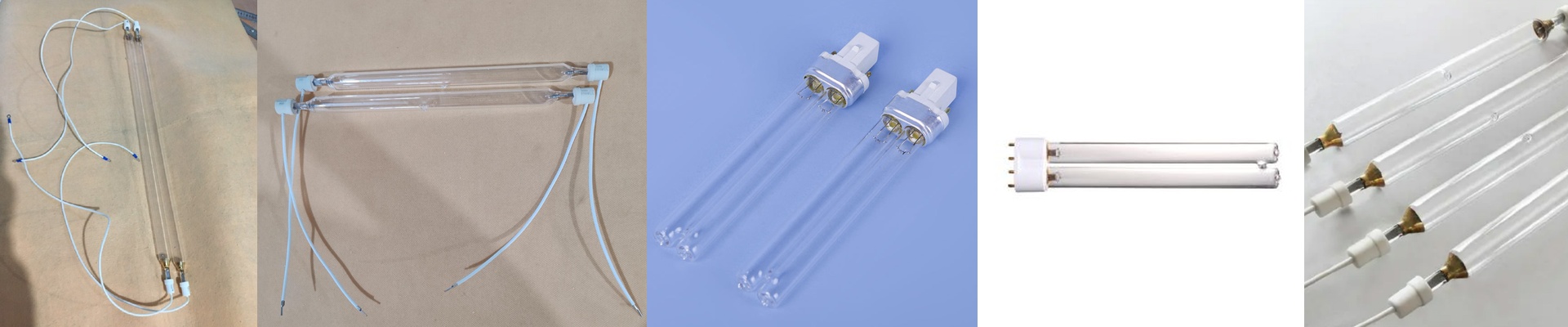
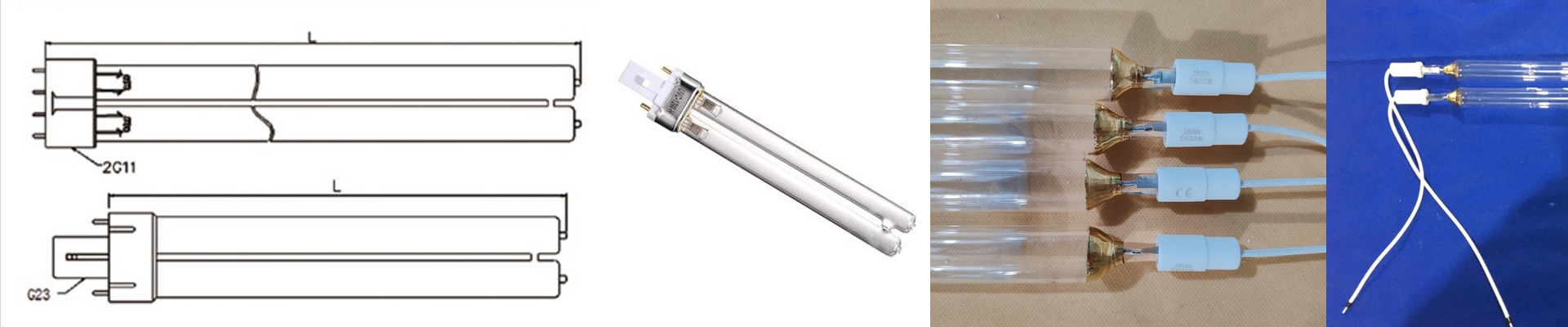
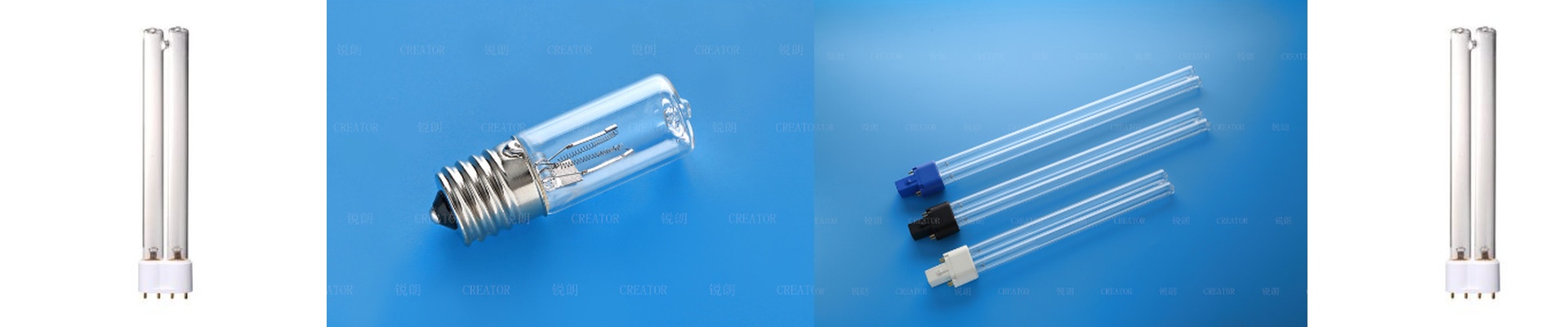
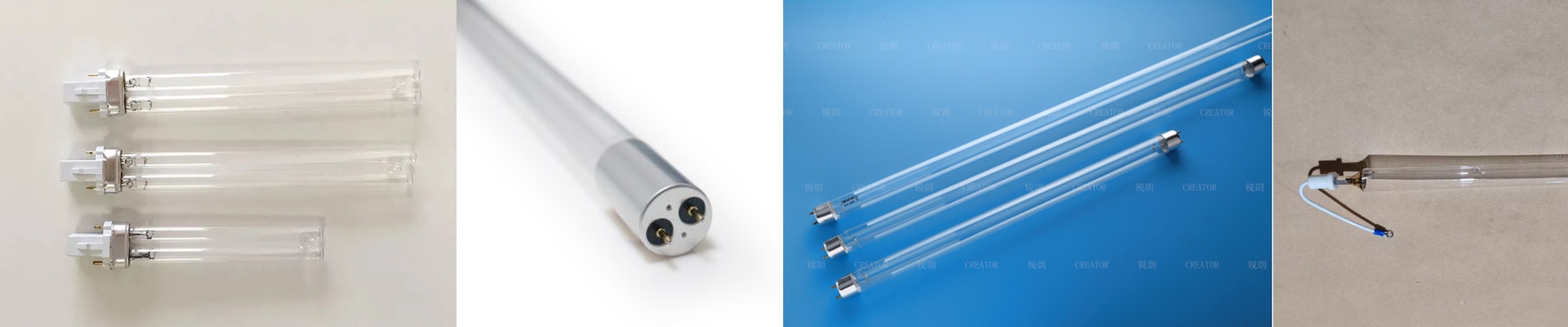
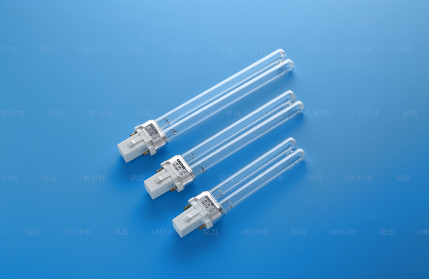
We build these systems with a modular chassis for a reason. If a lamp burns out or a reflector gets cloudy, you don’t have to tear down the entire production line. You just swap out the module. We use standard connectors, so these are basically drop-in replacements. It’s fast. It keeps the machines running. And it keeps your stress levels down.
Using it Across the Floor
Depending on where you are in the process, the goal changes. Early on, we use UV lamps to prep synthetic fibers so the dye actually sticks. Later, during printing, they’re used to set plastisol or UV inks. This is where the modularity really pays off. You can slide the lamps around or tweak the intensity to hit the exact curing depth the ink requires. It’s all a balancing act. Thicker coatings need more time or more power. If you under-do it, the ink stays tacky and ruins the batch. Go too far, and you’ll actually start degrading the fibers. You just have to find that sweet spot between the conveyor speed and the lamp output to get it right.