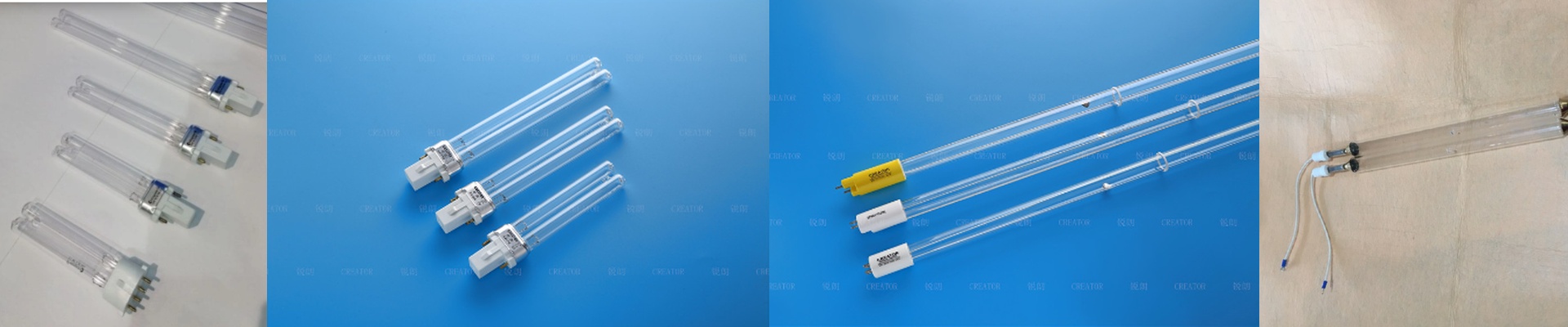
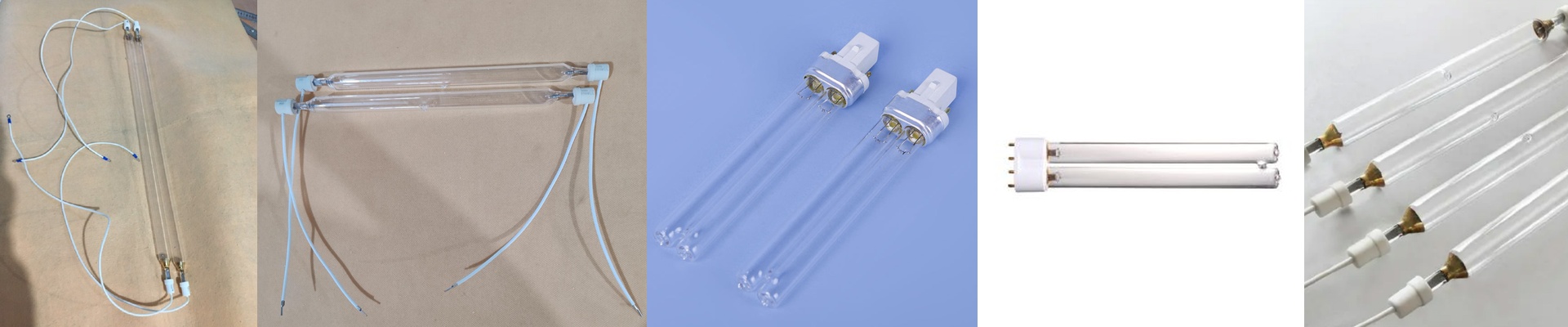
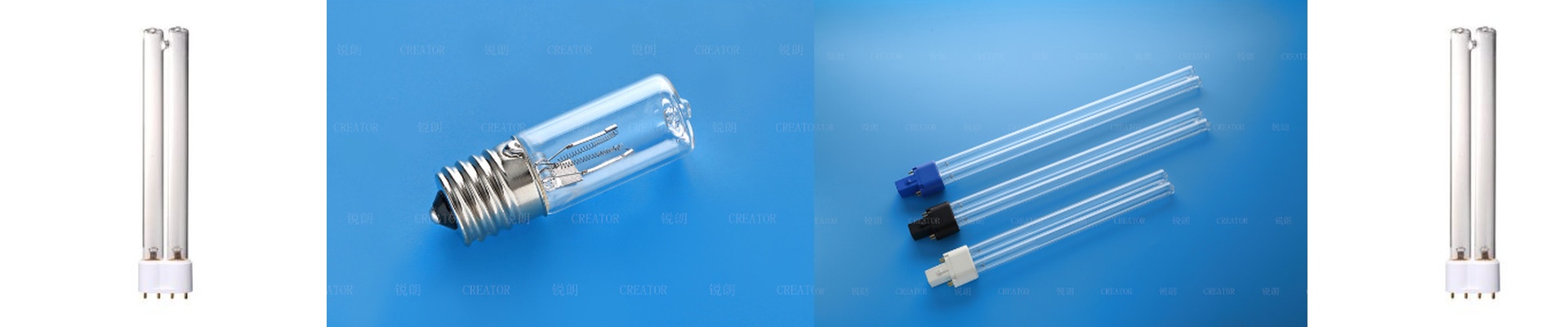
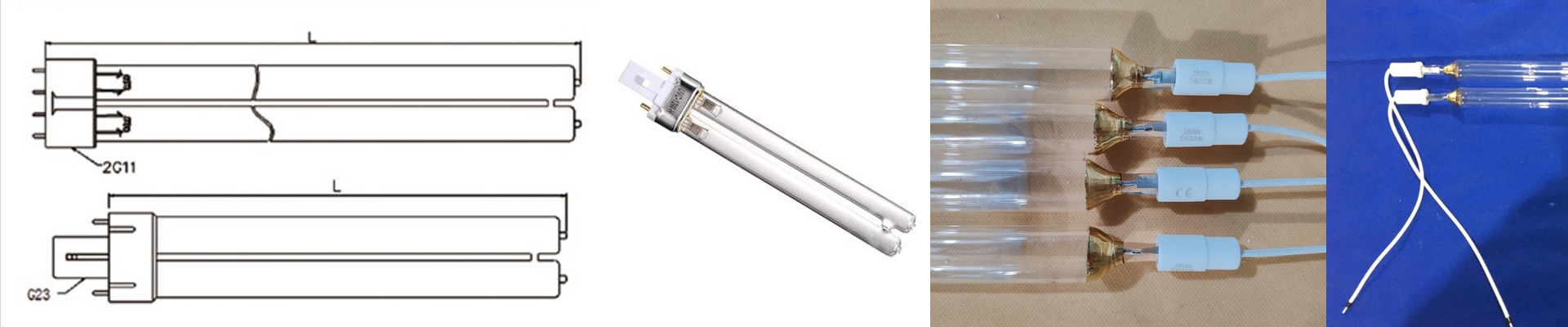
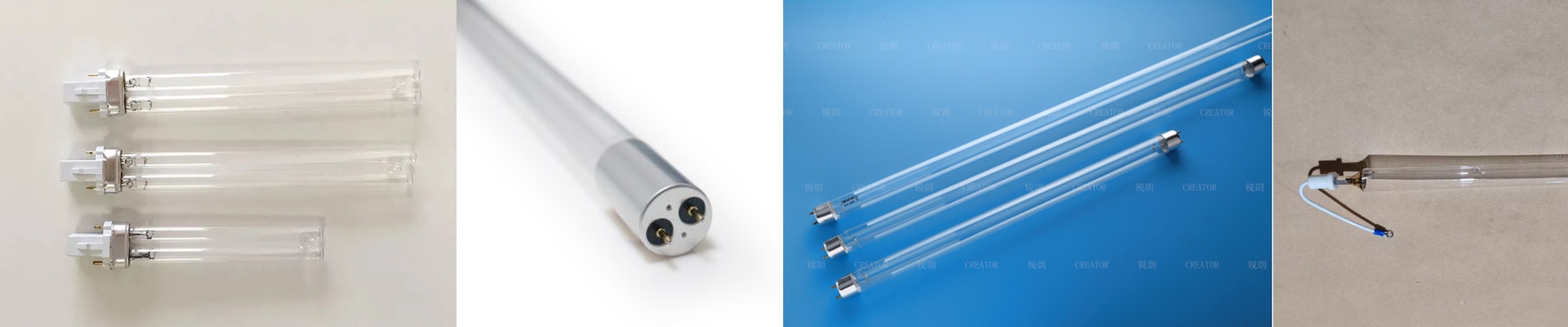
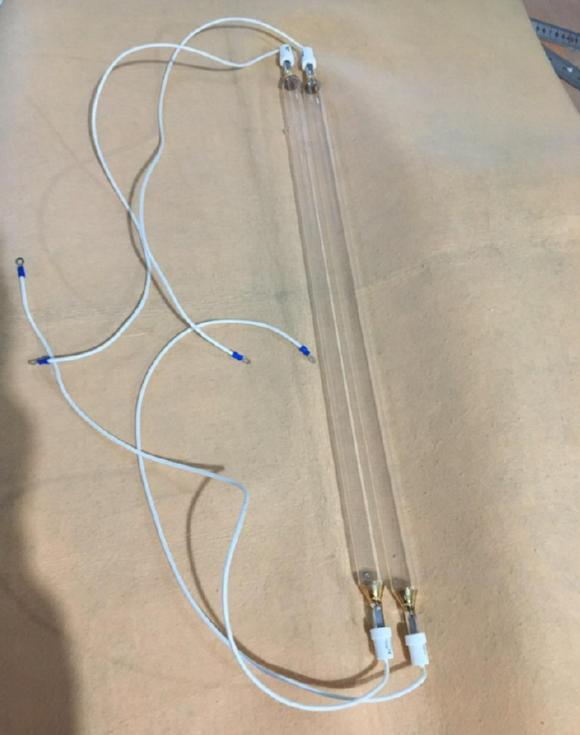
Let’s talk about our 80W/cm Mercury UV Lamps
When we build our standard mercury UV lamps, we aim for a linear power density of 80W/cm. Why? Because for most industrial curing lines, that’s the sweet spot. It gives you the speed you need to keep production moving without ruining your materials.
What 80W/cm actually means for you
Think of it as a concentrated blast of UV radiation, powered by high-purity mercury vapor. In the real world, this number basically tells you how fast you can run your conveyor. If you push the line too fast, the photoinitiators never get the signal to start, and your product stays tacky. But if you crawl along too slowly? You’re looking at scorched substrates or resin that shrinks and warps. It’s a balancing act.
The heat struggle
We use fused quartz envelopes because they let the UV light through without any fuss. But here is the thing: these lamps gethot. Really hot. At 80W/cm, you can’t just “set it and forget it.” You have to make sure your cooling fans or water jackets are actually up to the task. If the cooling isn’t there, the quartz stresses out and the lamp burns out way sooner than it should. The good news? We designed these to be simple drop-in replacements. The footprint and electrical pins match the big-name brands, so you don’t have to rewire your whole shop just to switch to us.
Putting them to work
These are the workhorses for curing inks, adhesives, and coatings—especially if you’re running offset printing or PCB lines. The goal is simple: total polymerization. We’re confident our lamps hit the same performance marks as the expensive big-brand versions, but without the inflated price tag. If you find the cure isn’t hitting the hardness or adhesion you need, we’ll give you your money back. No arguments. We trust the physics of how we build these things, and we want you to trust them too.