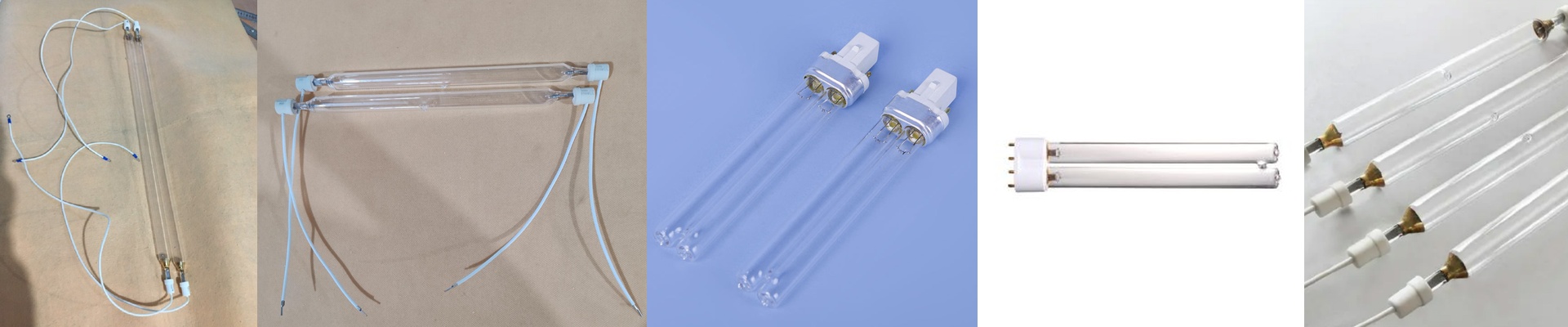
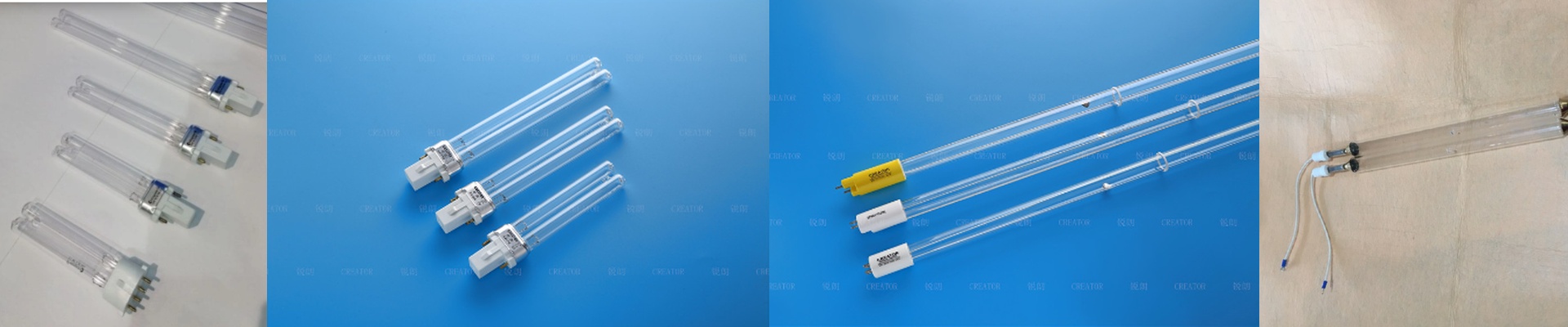
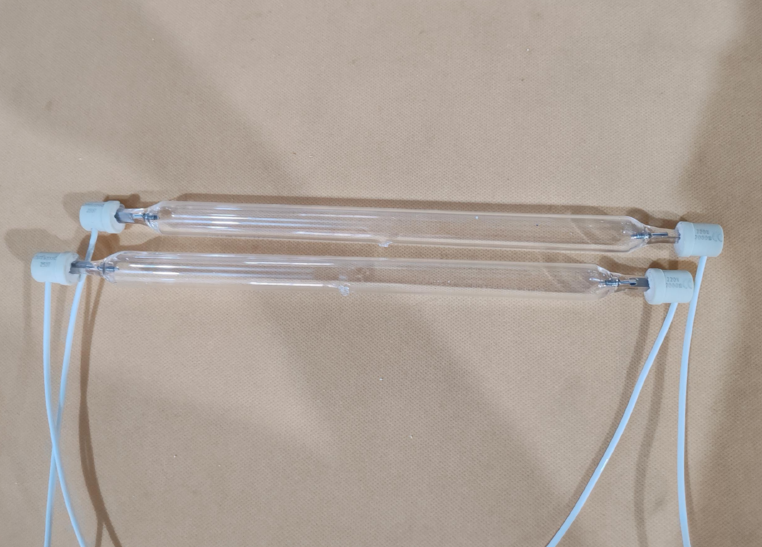
Getting the Most Out of Your Mercury UV Curing Bulbs
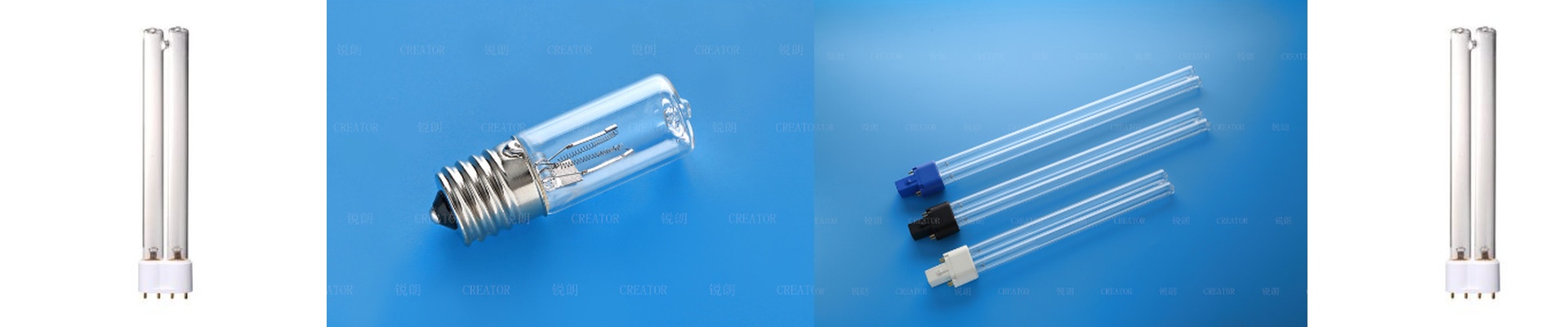
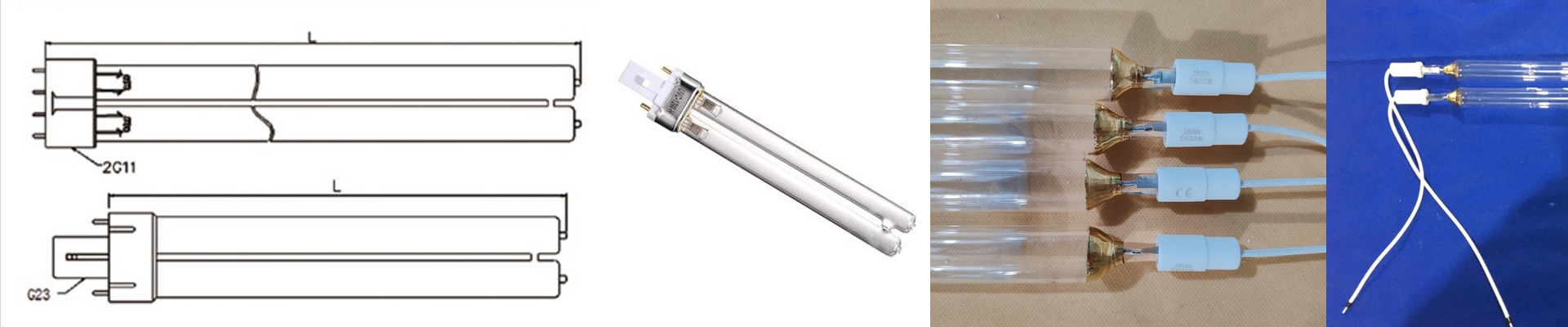
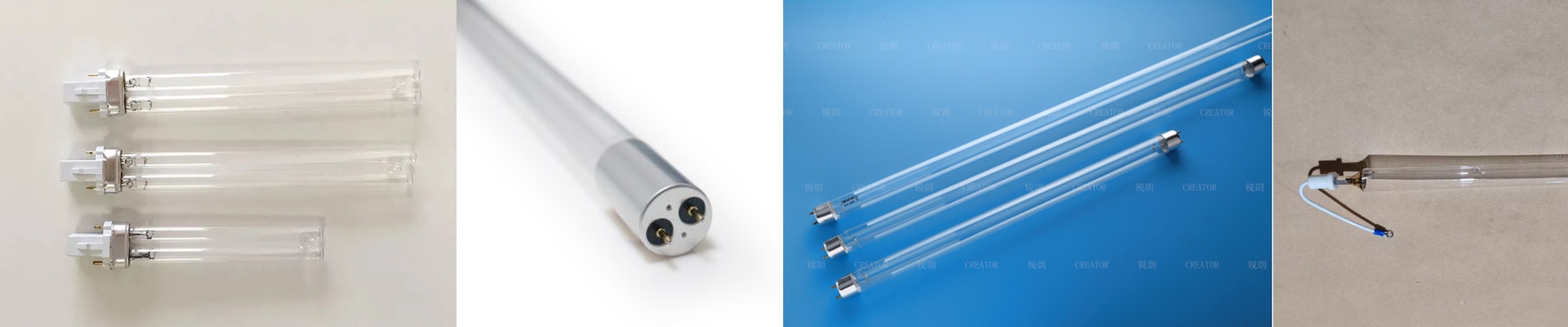
When you’re printing on textiles, you need that ink to lock in now. That’s where our mercury UV lamps come in. They kick out the exact kind of short-wave radiation needed to trigger photopolymerization—which is just a fancy way of saying they make the ink bond to the fabric instantly. No smudging. No blurry edges. Just a sharp, clean print. The Balance of Power We design these bulbs to hit a broad spectrum, mostly focusing on the 254nm and 365nm lines. But here is the thing: wattage and arc length dictate your power. More wattage means more photons, which lets you run your curing line faster. But you’ve got to find the sweet spot. If your conveyor is flying and your wattage is too low, the ink stays tacky. Too slow? You’ll end up scorching your fabric. It’s all about matching the bulb to your speed. Built to Handle the Heat We use high-purity fused quartz for the outer shell. It’s the only way to let the UV rays through without the glass soaking them up, and it keeps the bulb from melting under the intense heat of the mercury arc. Now, the seal where the electrodes meet the quartz is usually where these things fail. To stop that from happening, we use a reinforced pinch-seal to keep the gas locked inside. Just remember: these lamps runhot. Keep your reflectors clean and make sure your cooling fans are actually spinning. If the bulb overheats, the quartz can soften or the electrodes will just burn out way too soon. Setting Them Up These are designed to be simple drop-in replacements for your standard UV arrays. We keep the dimensions tight so the light hits your material exactly where it needs to. One quick tip: mercury lamps need a moment to wake up. They don’t hit full power the second you flip the switch. We suggest adding a simple timer to your control circuit. That way, your print head doesn’t start spitting ink before the lamp is actually ready to cure it.