Stop Guessing When Your UV Lamps are Dying
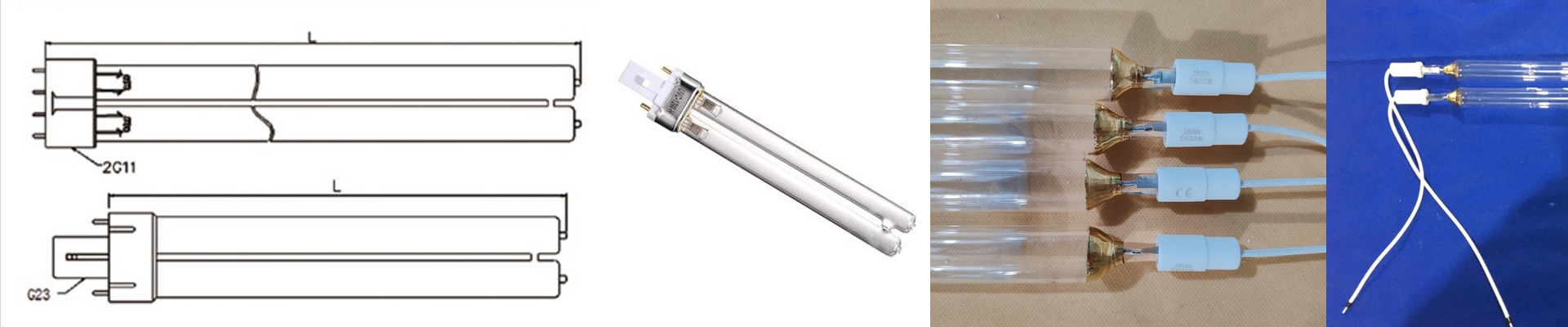
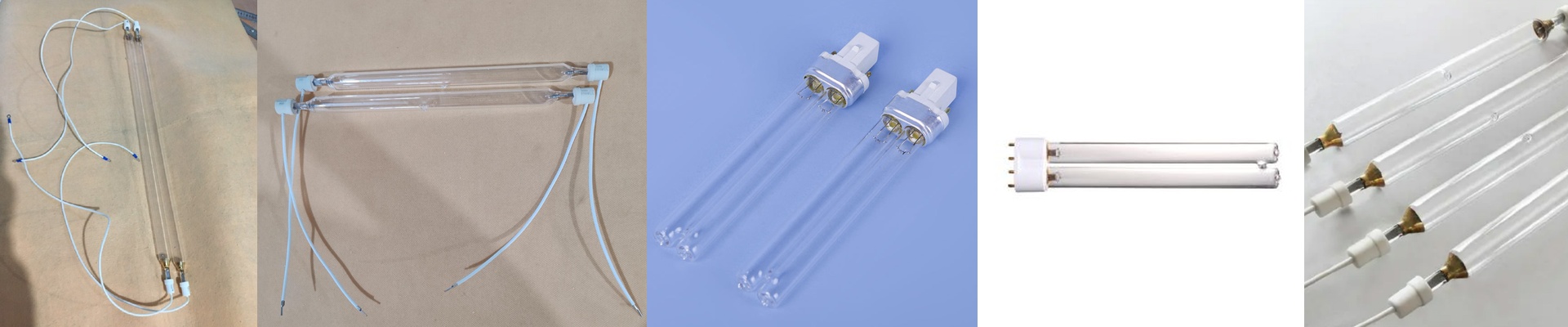
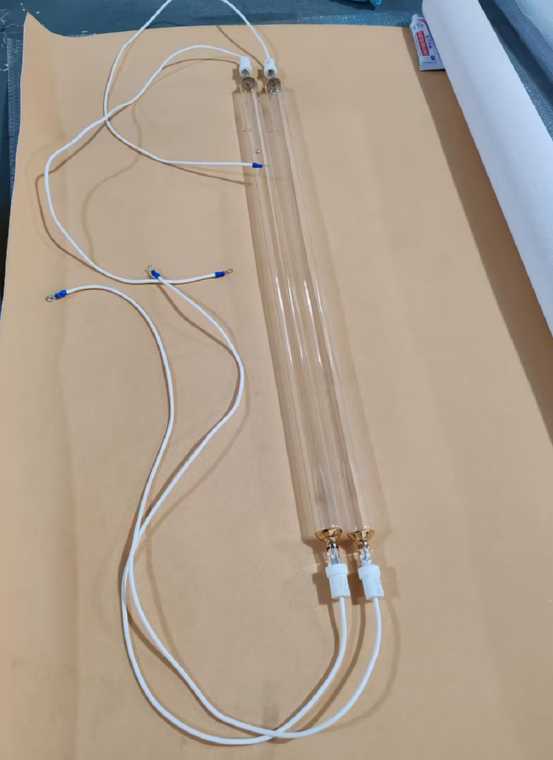
If you’ve spent any time on a factory floor, you know that 80W/cm mercury UV lamps are the old reliable. They get the job done. They push out the UVC needed to cure coatings and adhesives at high speeds, and they do it consistently. But let’s be honest. The worst part of the job isn’t the light output. It’s that nagging feeling in the back of your head, wondering if a lamp is about to burn out right before a huge batch hits QC.
The Deal with 80W/cm Density
When we talk about 80W/cm, we’re really talking about a balancing act. We’re pushing enough power into that quartz tube to get the mercury vapor just right—enough to cure deep into industrial resins, but not so much that you melt your substrate. The catch? Heat. These lamps put off a ton of infrared energy. If your cooling—whether it’s air or water—isn’t dialed in, you’re going to have a bad time. You’ll see the quartz warp or the electrodes give up way too early. It’s a delicate dance.
A Smarter Way to Track Energy
Here’s the thing: the “next big step” isn’t about changing how mercury works. That’s settled science. The real magic is happening in the electronics. We’ve started moving toward IoT-enabled ballasts. Basically, the system now keeps an eye on energy use in real-time. Instead of some poor soul walking the line every hour to do manual checks, the system just watches the voltage and current. When the efficiency dips, it’s usually a sign that the mercury is running low or the quartz is getting cloudy (solarizing). Now, we can just flag a lamp for replacement because the data says it’s dying, not because a timer told us it was “time.”
Making it Work on the Floor
Setting this up means wiring your curing line into a single dashboard. You can see exactly which lamps are slacking off from one screen. Sure, you’ve got the upfront cost of the smart ballasts, and you’ll need a decent Wi-Fi or network connection on the floor. But once it’s running? The guesswork is gone. You stop replacing lamps because the calendar says so, and you start replacing them because they actually need it. It’s just a lot less stressful.