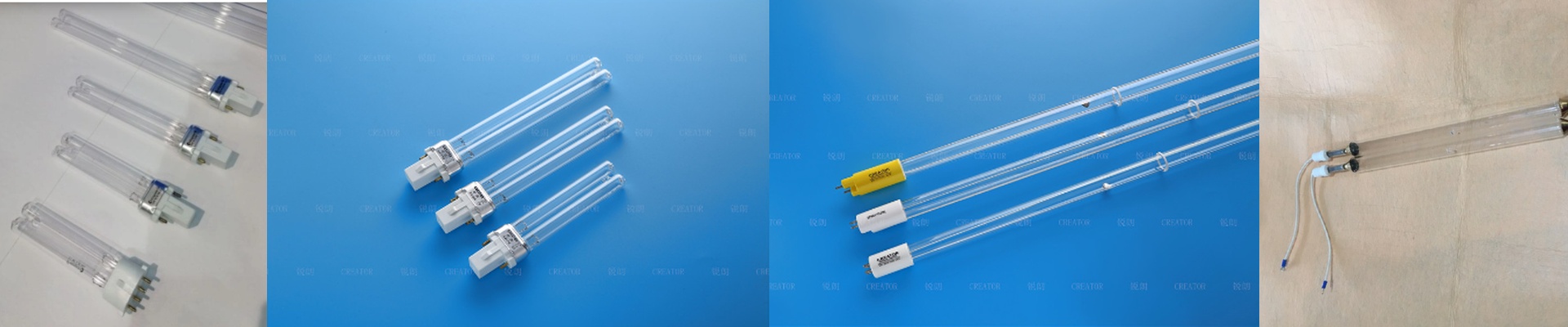
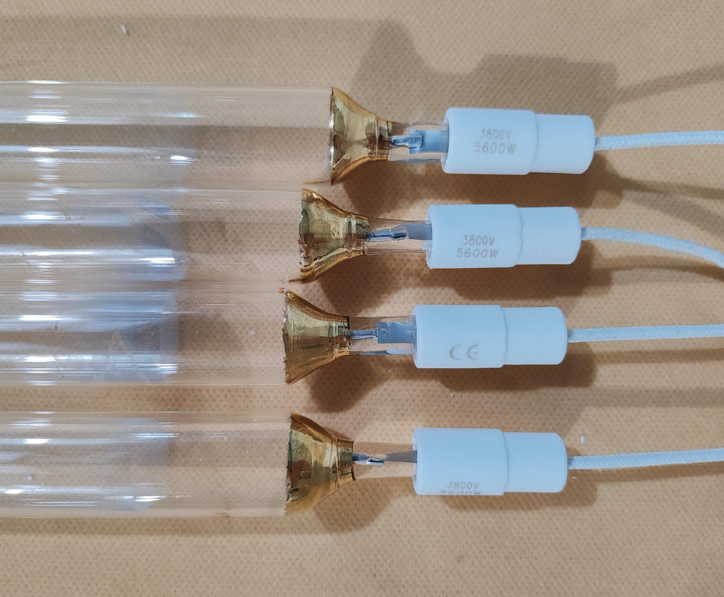
Getting the Most Out of Our 80W/cm Mercury UV Modules
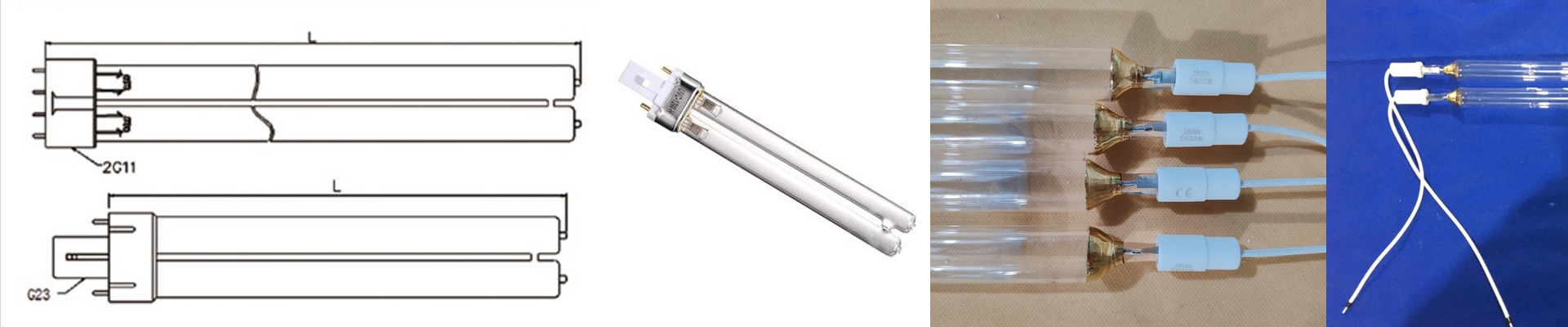
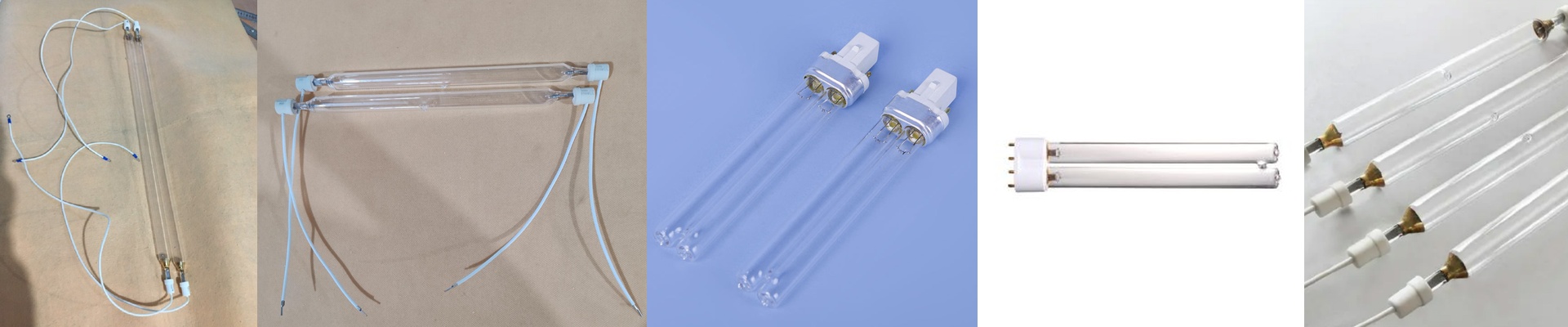
We built our latest UV modules around a standard 80W/cm mercury lamp for one reason: speed. When you’re running high-volume printing, you can’t afford to wait around. You need that ink to set the second it hits the page.
Dealing with the Heat
The 80W/cm number tells you how concentrated the power is. It’s what makes the ink “skin-cure” instantly, so you don’t have to worry about smudging while the web is flying through the press. But here’s the catch: that much energy creates a lot of heat. If your cooling fans or water-jackets aren’t up to the task, you’re going to have problems. Either the lamp will burn out way too early, or your substrate will start to warp. It’s a balancing act.
Why Mercury?
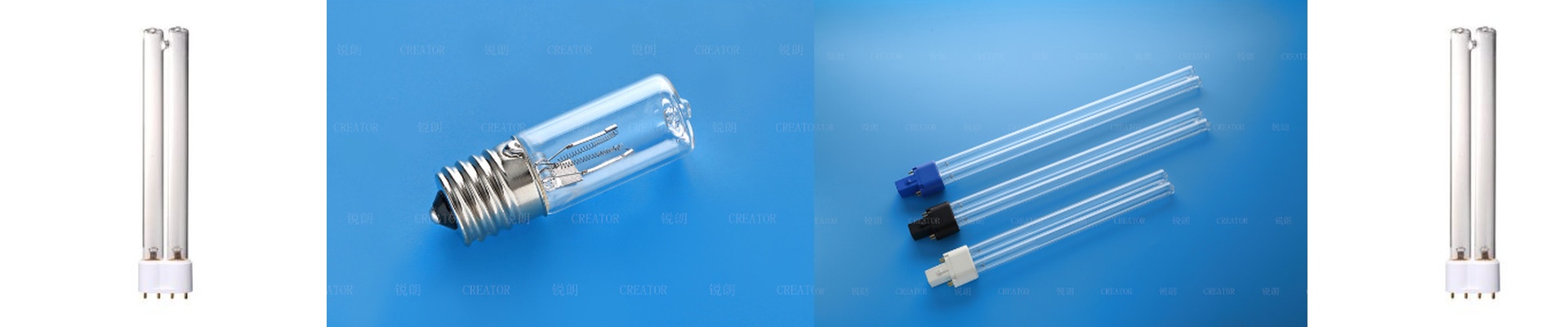
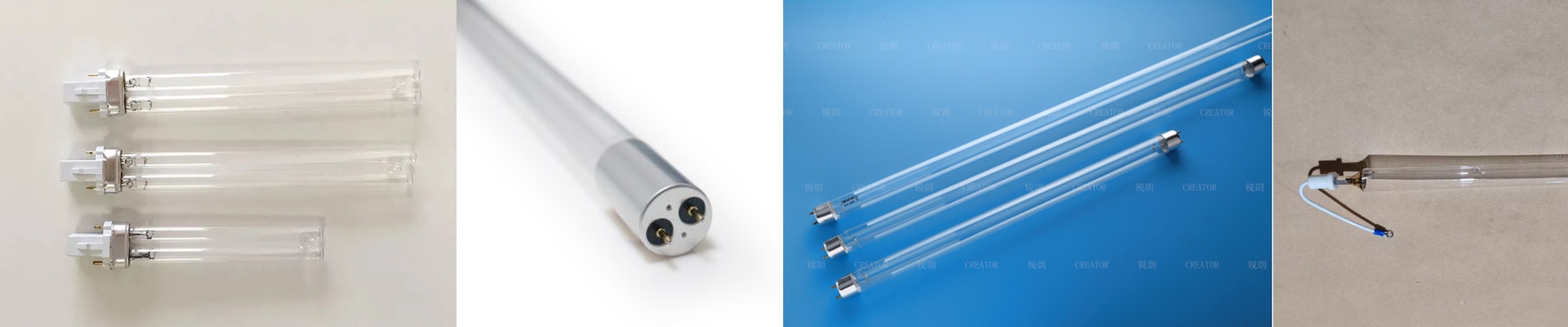
We stick with mercury vapor because it hits those specific UVC and UVB peaks. Those wavelengths are what actually dig deep into the ink layers, making sure everything is cured all the way down to the substrate. To make sure as much light as possible actually reaches your work, we used high-purity quartz glass. It doesn’t soak up the UV rays like cheaper glass does. We also spent a lot of time perfecting the electrode positioning. It sounds like a small detail, but it stops the tubes from burning out at the ends.
Fitting It Into Your Shop
We wanted these to be easy. That’s why we designed them as drop-in replacements. The ballast and the reflector are all in one compact footprint, so you aren’t rearranging your whole floor just to upgrade. Plus, we used polished aluminum reflectors. They catch the UV light that would normally go to waste and bounce it right back onto the web. You get more curing power without having to pull more current from your power supply. Wiring them in is pretty straightforward and works with most industrial controllers. Just a heads-up: make sure your power supply can handle that initial “strike” voltage needed to get the mercury ionizing. Once it warms up, everything settles down, the power draw levels off, and you get a steady, reliable cure.