Why Your UV Lamps Aren’t Actually Drying Your Ink
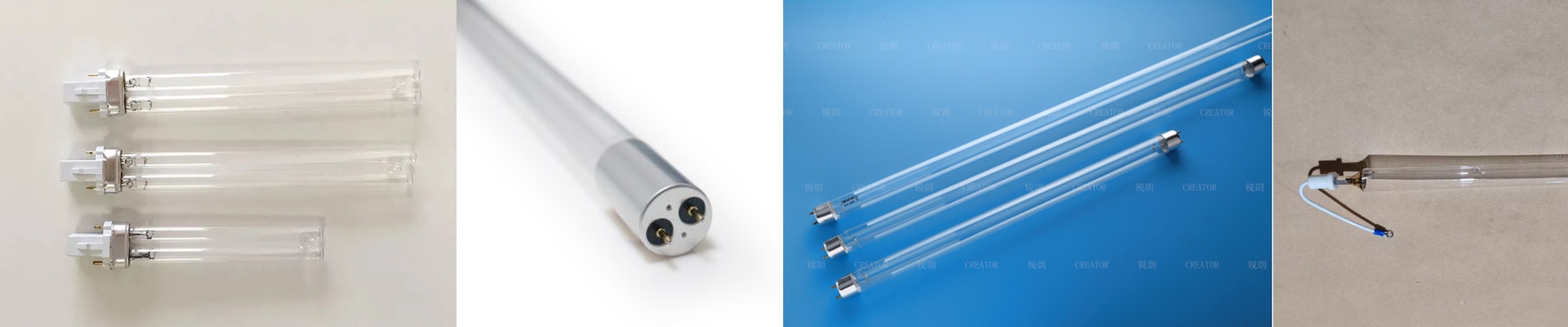
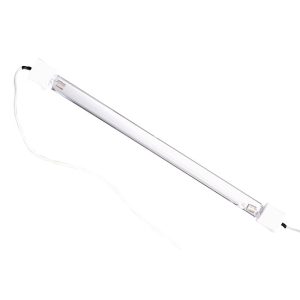
We spent a long time on the road, visiting about 3,000 printing plants. We wanted to see where things were actually breaking down. One thing kept coming up: that frustrating “tacky” feeling. You know the one. The ink looks dry on top, but when you touch it or stack the sheets, it’s still wet underneath. It’s a nightmare. Most of the time, it’s because standard mercury lamps just can’t punch through thick industrial inks. They hit the surface and stop. Enter Gallium Iodide. We use Gallium Iodide (GaI) to change how the light behaves. Instead of the usual spectrum, these lamps push a lot more energy into the 300nm to 400nm range. Think of it like a stronger drill. It doesn’t just skim the surface; it digs deep into those heavy pigment layers. You get a cure that goes all the way through the ink profile. No more “skin-curing.” Just solid, dry results. The Nitty-Gritty on Design Here’s the thing: you can’t just throw these in and forget about them. We build these based on how fast your press is actually running. If you crank up the wattage to get more power (photon flux), you’re going to generate some serious heat. If your cooling fans or water jackets aren’t up to the task, your substrate is going to warp. And nobody wants a batch of curled prints. We use fused quartz for the envelopes because it lets the most UV light through. We also tuned the electrodes so they don’t burn out if you’re doing a lot of short runs with frequent starts and stops. Making it Work in Your Shop Now, these aren’t exactly “plug-and-play” for every single machine. You’ll need a ballast that can handle the specific strike voltage that Gallium requires. While we design the footprint to fit right into most industrial reflectors, you’ll want to double-check your transformer ratings first. There is a trade-off, though. You get deeper curing and you can run your lines faster, but the lamps don’t last quite as long as those low-intensity mercury tubes. My advice? Keep a strict hourly log. Swap the tubes out before they dip below 80% output. It’s a lot cheaper to replace a lamp on a schedule than to scrap a whole print run because the ink stayed wet.