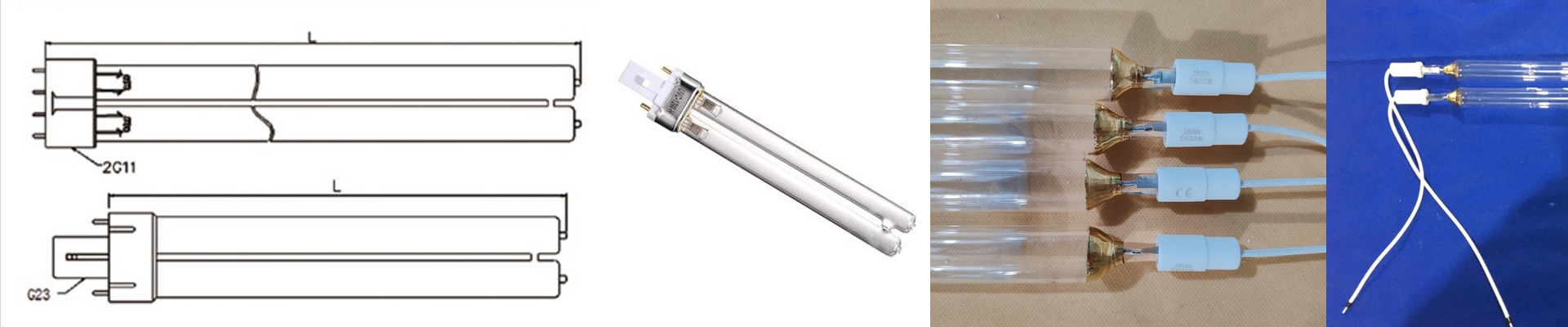
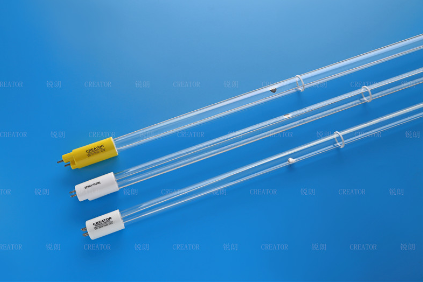
The Real Deal on Gallium Iodide Lamps for PCBs
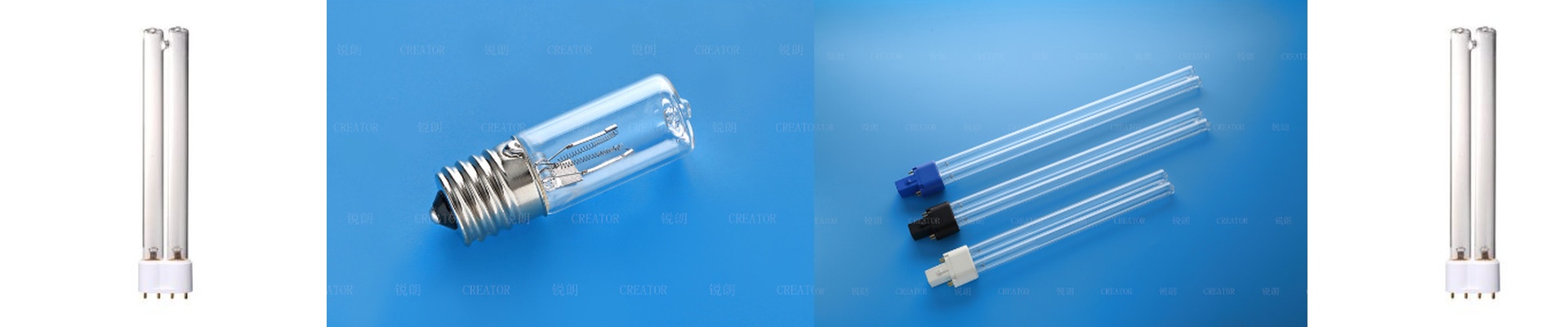
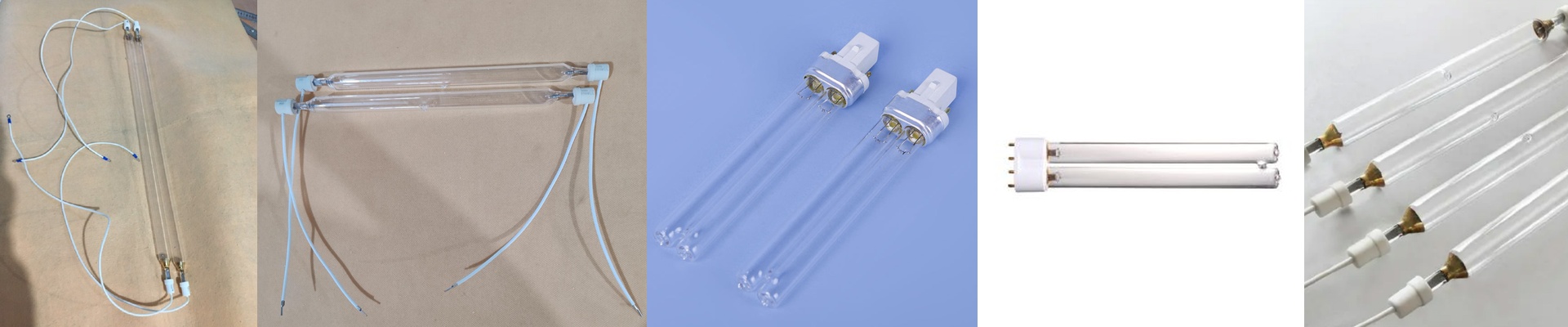
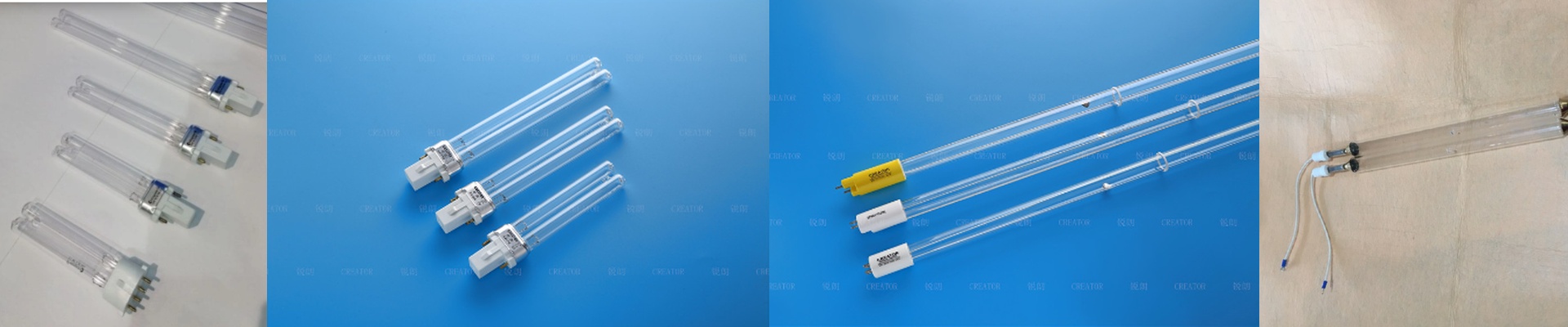
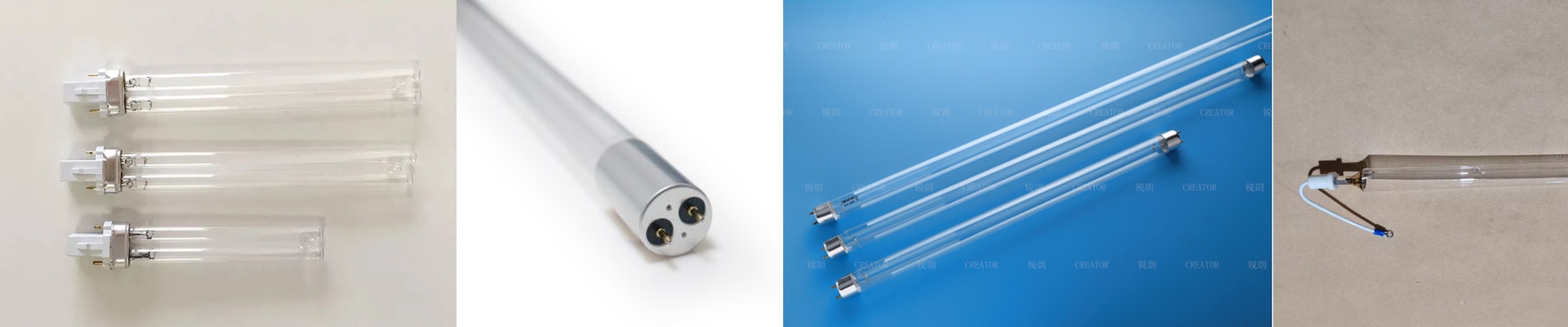
If you’re doing high-precision PCB photo-lithography, you’ve probably already run into Gallium Iodide (GaI) lamps. They’re the go-to for a reason. Unlike your run-of-the-mill mercury lamps, these guys hit a very specific sweet spot in the UV spectrum—usually between 310nm and 350nm. We build them specifically for dry-film resist exposure. The goal is simple: trigger that polymerization quickly without the light bleeding into the substrate and ruining your lines. Getting the power right In a busy factory, light scattering is your worst enemy. You need a sharp UV cutoff, and that’s exactly what GaI lamps give you. They cure those photoresist layers fast. We push the power density high so you can keep your throughput moving. But here’s the catch: if you’re running these at max wattage, you’ve got to watch your cooling. If your fans aren’t up to the task, the heat will stress the quartz envelope until it just… pops. It’s a waste of a good lamp. Why CE certification actually matters I know, “certification” sounds like corporate fluff. But with UV lamps, it’s a technical safety net. When we talk about CE, we’re talking about making sure your high-voltage ballast isn’t leaking current into the machine frame or messing with your alignment sensors. I’ve seen cheap, non-certified lamps with sloppy electrode spacing. The result? Flickering and uneven UV intensity across the board. A CE-marked lamp just stays stable. It does its job consistently from one end of the tube to the other. The trade-offs The good news is that these are mostly drop-in replacements. You can usually wire them right into your existing ballast. Just double-check your voltage first. Seriously. If they don’t match, you’ll fry the lamp in a matter of hours. Now, be honest about the lifespan. GaI lamps don’t last as long as broad-spectrum UV lamps. You’re trading some longevity for surgical precision. But when you’re trying to hit 25-micron trace widths, that’s a trade I’m willing to make every single time.