Getting the Most Out of Your Gallium Iodide Lamps
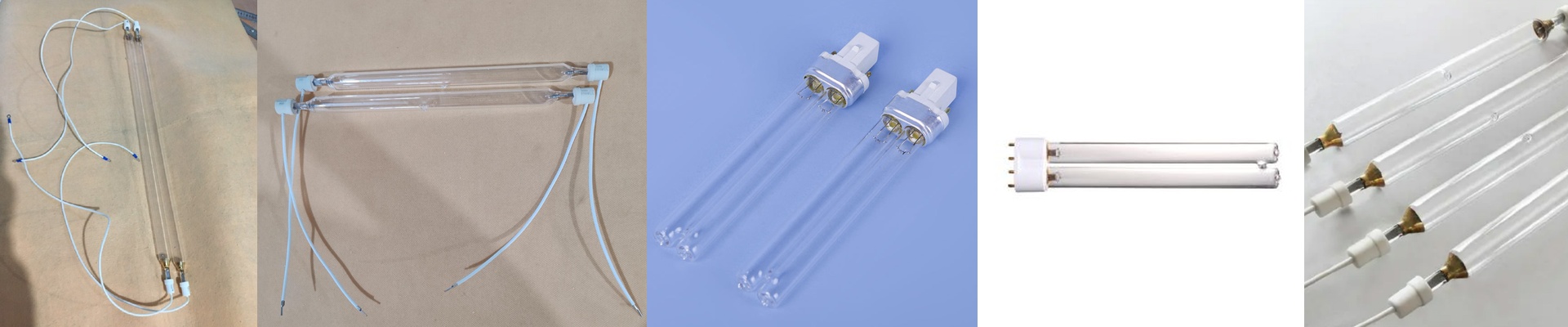
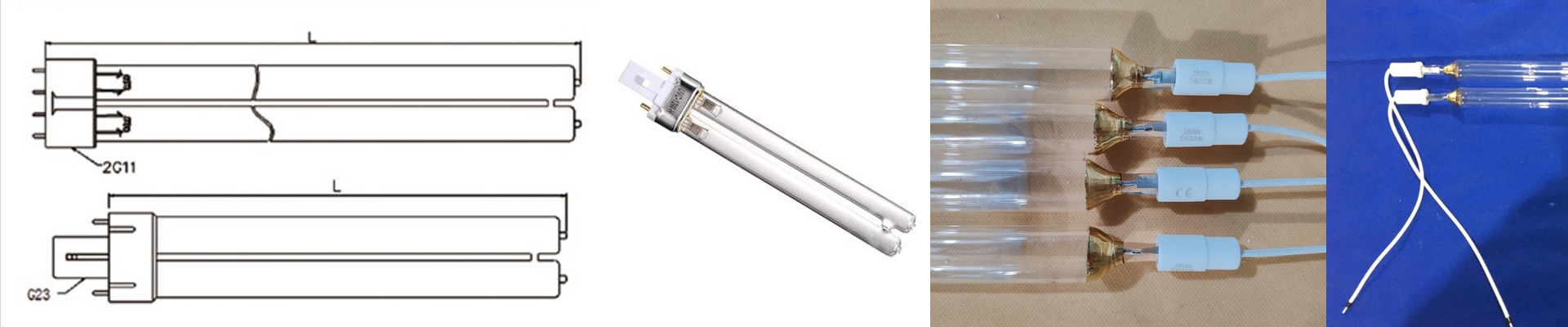
If you’ve ever dealt with coatings that just won’t dry all the way through, you know the frustration. You look at the surface and it looks fine, but underneath? It’s still wet. That’s exactly why we build gallium iodide lamps. Standard mercury vapor lamps are great for some things, but they just can’t punch through thick inks or heavy coatings. Here is the secret sauce. Most UV lamps hit the surface and stop. Gallium iodide is different. It pushes out longer UV-A and UV-B wavelengths that actually sink deep into the material. Instead of just “skinning” the top layer, the light travels all the way down to the bottom. You get a cure that’s solid from top to bottom. No surprises. But there’s a catch: these lamps gethot. Seriously hot. If you’re running a high-wattage tube on a fast conveyor line, you can’t ignore your cooling. If your blowers aren’t moving enough air across that quartz envelope, you’re asking for trouble. You’ll either burn out the filament way too early or the light spectrum will start to drift. We do our best to calibrate the tubes for heat, but at the end of the day, your machine’s airflow is what decides how long that lamp actually lasts. Now, let’s talk about the “budget” options you see floating around. Most of those cheap lamps fail because the iodide filling is messy or the seals are leaky. Once the gas leaks, your light output drops off a cliff. We obsess over the seal integrity because that’s the only way to keep the light strong. We aren’t into flashy marketing talk. We care about the actual numbers—the irradiance (mW/cm²) hitting your product. If our lamps don’t match the performance of the big global brands at the same price, we’ll just give you your money back. Simple as that. Setting them up is the easy part. These are designed to be drop-in replacements, so they should fit right into your existing arrays. Just double-check that your ballast matches the voltage and amperage of the lamp. If the power supply is off, you’ll get flickering, or worse, the tube will just pop. Oh, and one last tip: take a look at your reflectors before you slide the new tubes in. If they’re oxidized or dirty, you’re wasting light. Clean them up first to get the most throw out of your new lamps.