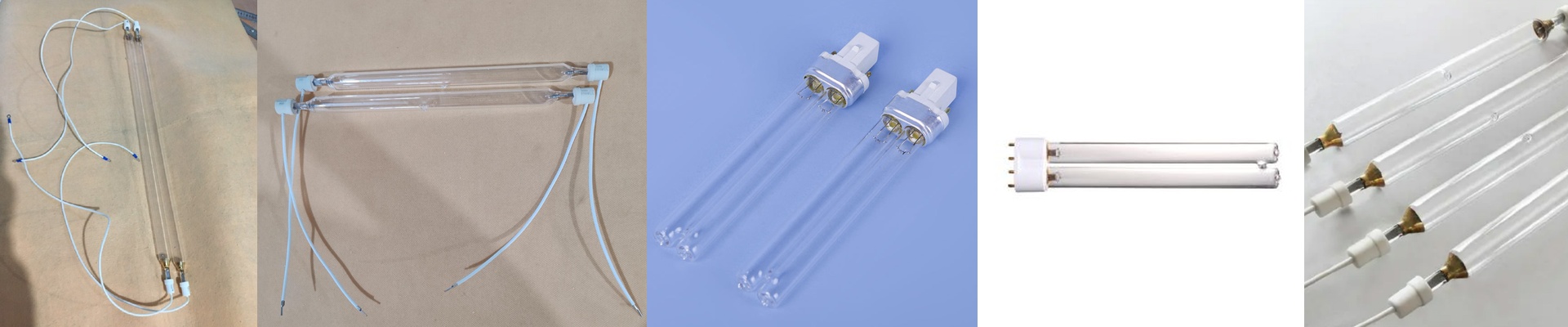
Stopping the Flicker: Dealing with Noise in Gallium Iodide UV Systems
If you’re running a single press, Gallium iodide lamps usually behave themselves. Everything is smooth. But the moment you pack a facility with multiple large-scale presses? That’s when things get messy. All those high-power ballast systems start fighting for space. You get electrical noise and EMI (electromagnetic interference) bouncing around the room. If your circuitry isn’t built for that chaos, you’ll see flicker. Or worse, your lamps just give up and fail way too early.
Cleaning up the power
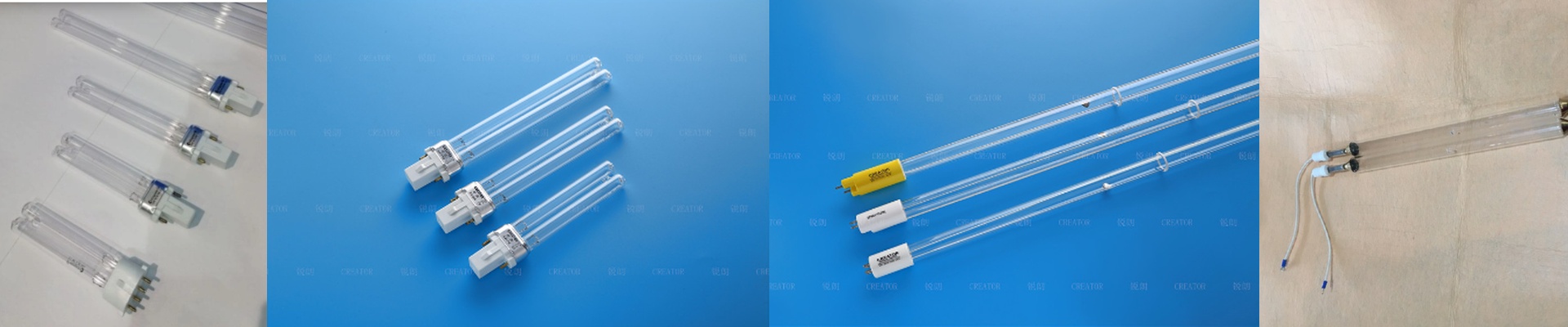
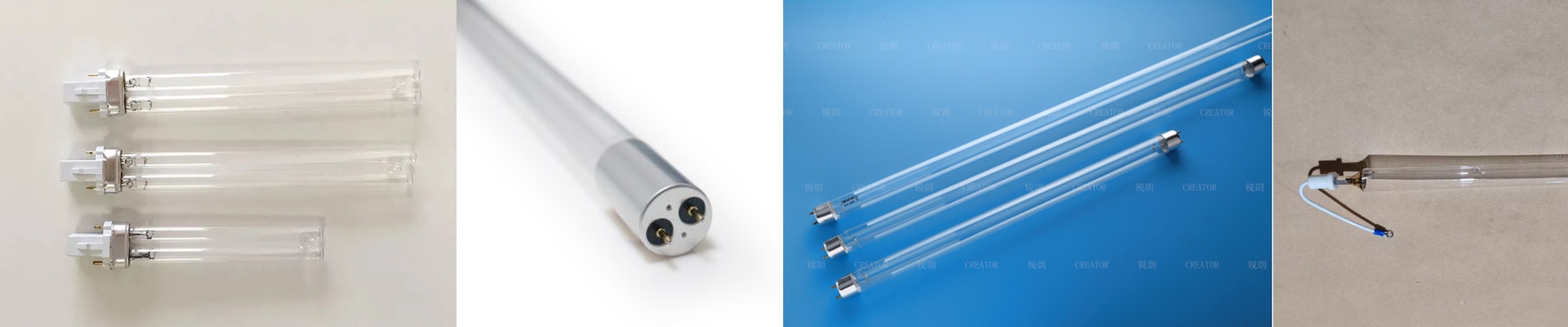
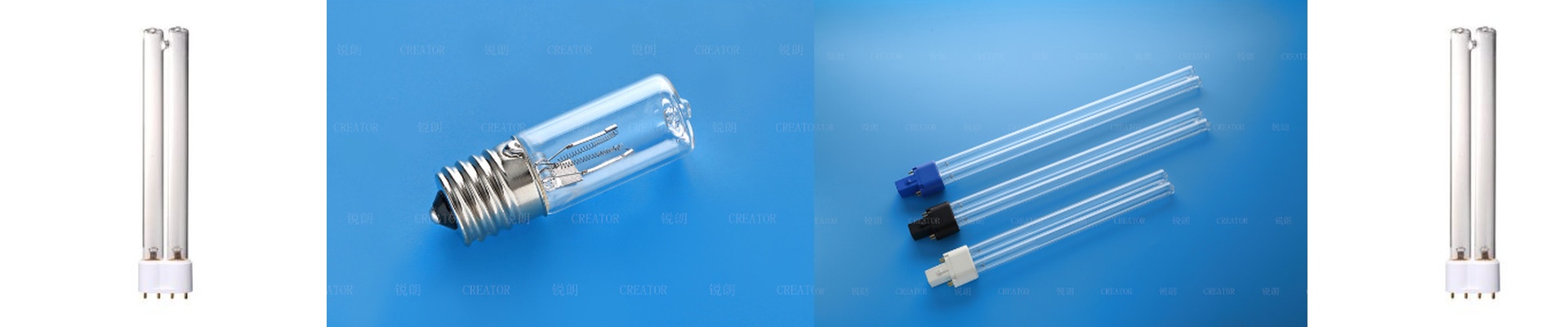
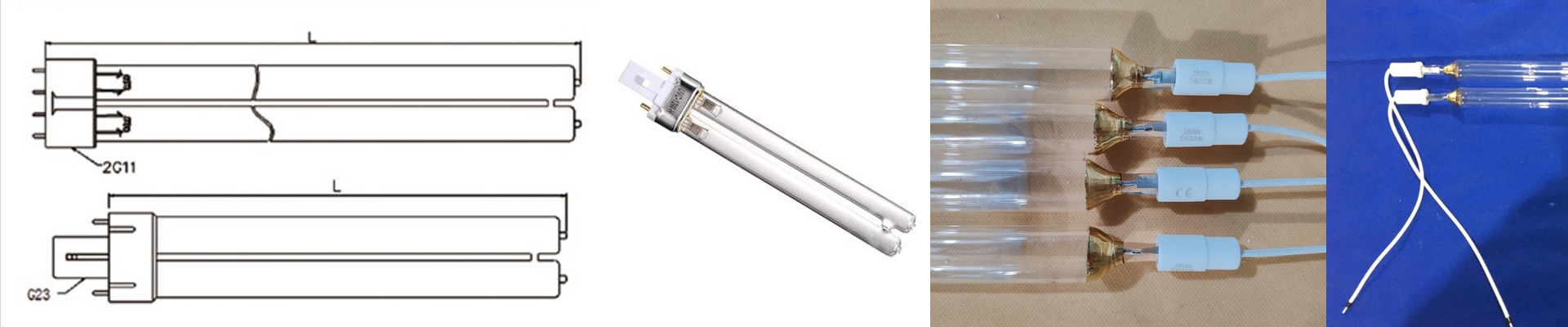
Factories are “dirty” environments when it comes to electricity. You’ve got massive motors and frequency converters throwing out voltage spikes left and right. If your UV lamp doesn’t have the right shielding or a filtered ballast, those spikes bleed straight into the arc. That’s how you end up with inconsistent UV output and those annoying stripes on your printed material. Not a great look. We fix this by getting the impedance matching between the lamp and the power supply just right. We also tighten up the electrode geometry and use high-grade quartz. It sounds technical, but the result is simple:**the light stays flat.**Even when the press next door kicks into high gear, your output doesn’t budge.
The heat struggle
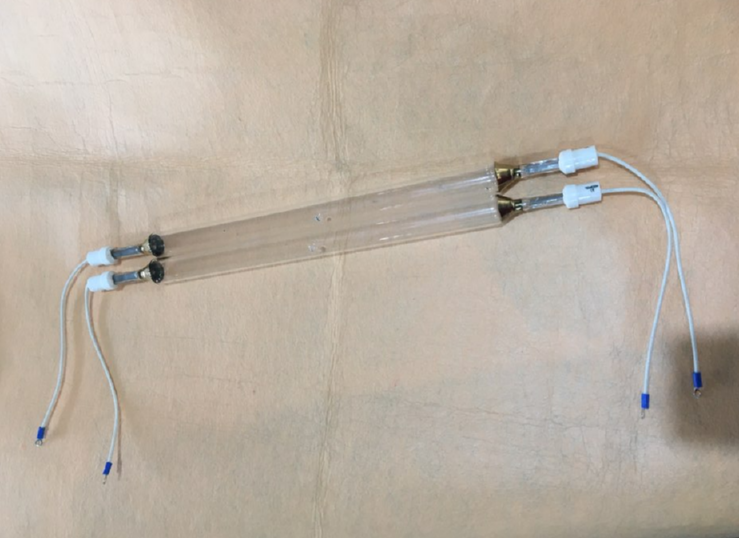
Here’s the trade-off: Gallium iodide lamps have to run hotter than standard mercury lamps to get that specific spectral output. That heat is great for curing thick ink layers, but it’s brutal on the lamp ends. This is where you have to be careful. Make sure your cooling blowers are actually doing their job. If those ends overheat, the vacuum seal starts to go. At that point, it doesn’t matter how good your anti-interference tech is—the lamp is going to die early.
Getting it on the floor
We designed these as drop-in replacements. You shouldn’t have to rewire your whole shop to make them work. We spent a lot of time on the electrical footprint so you don’t trip your breakers during a cold start. It just works. You get a stable arc that doesn’t drift, which means you spend less time tweaking things mid-run and a lot less time throwing wasted material in the bin.