Getting Your UV Curing Right with Gallium Iodide
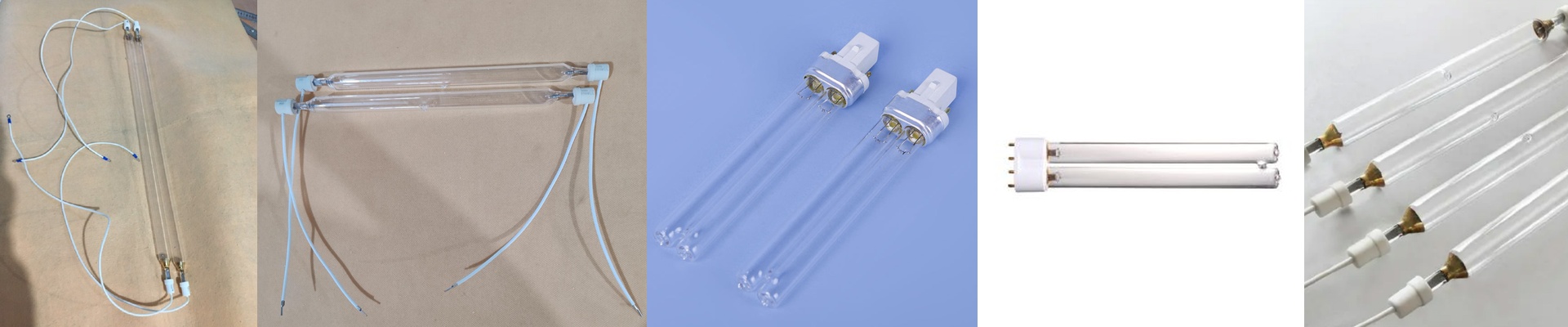
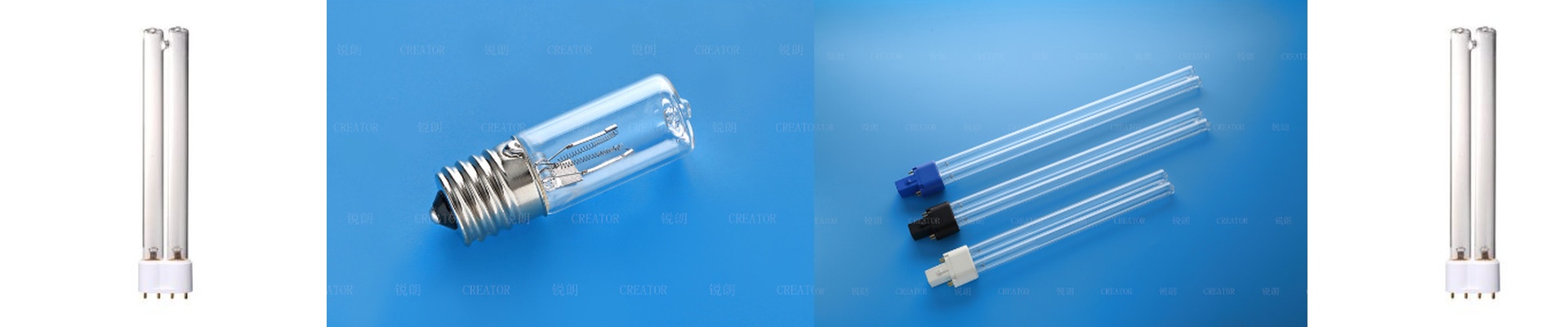
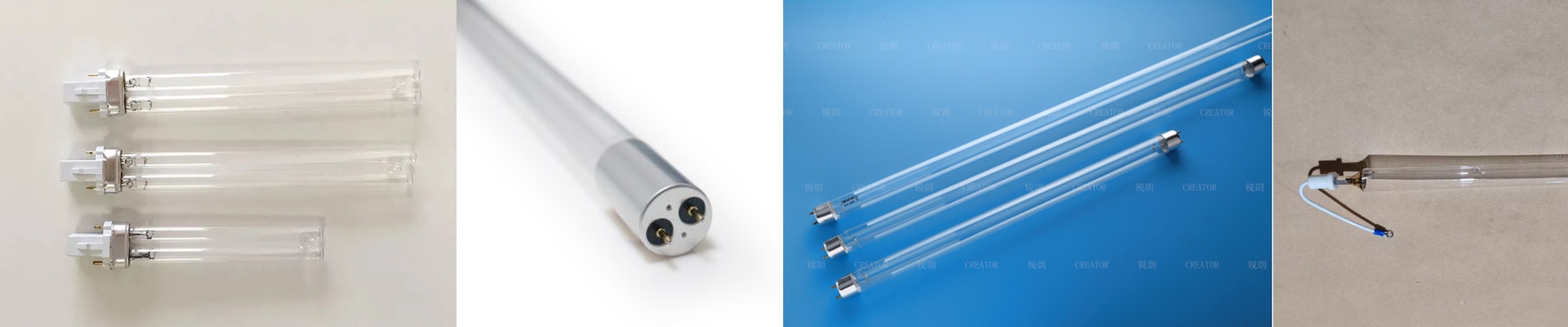
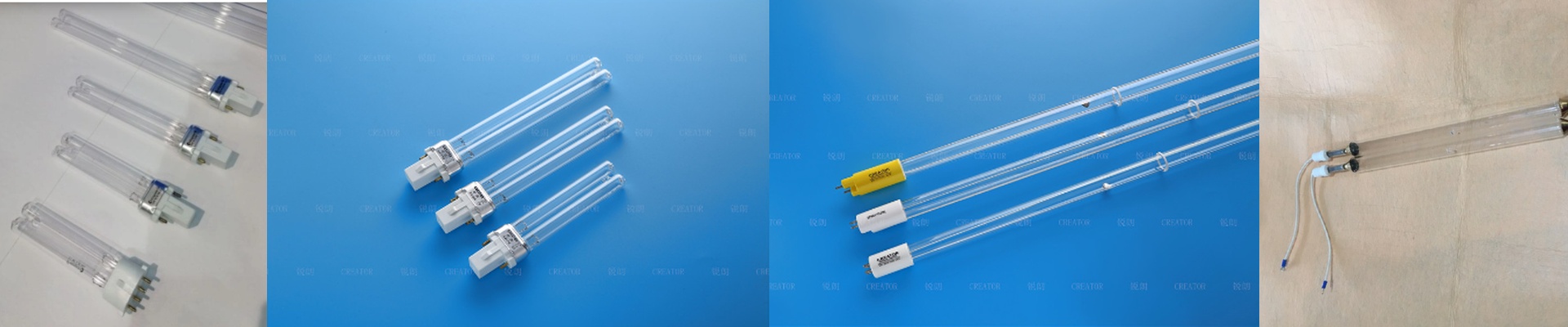
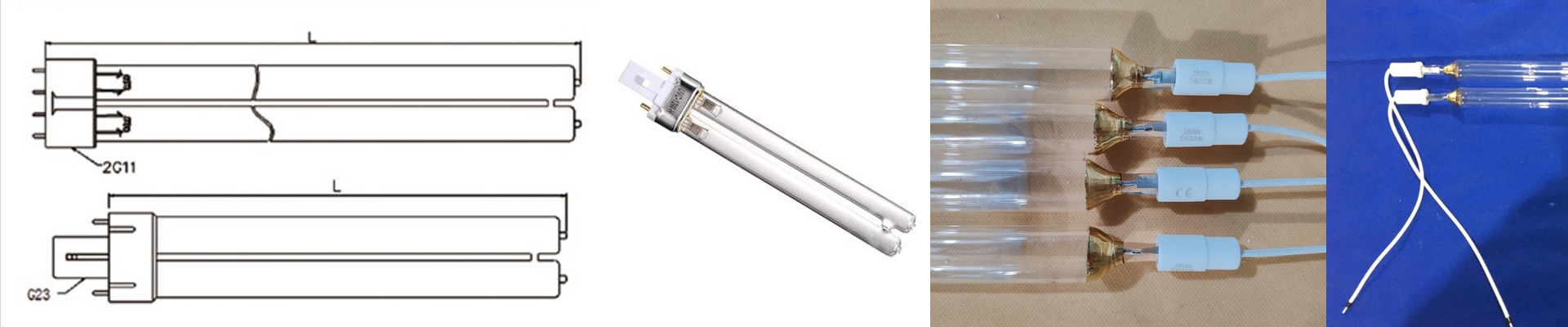
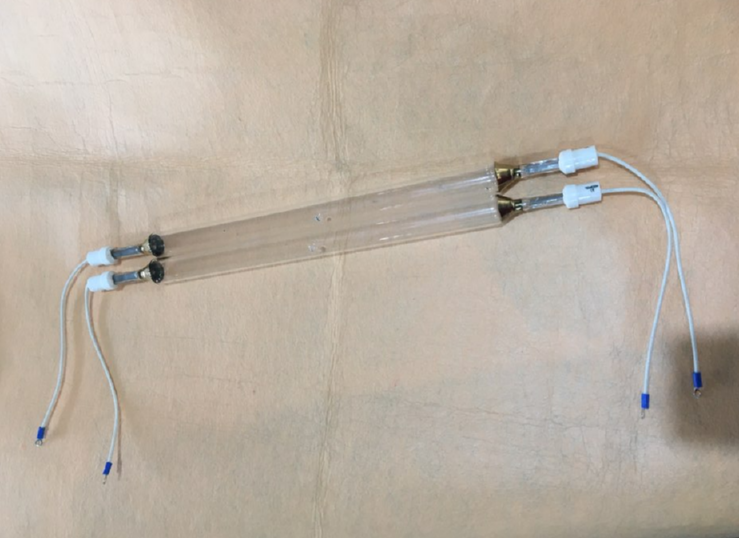
If you’ve ever struggled with standard mercury lamps not quite hitting the mark, you know the frustration. Some jobs—especially in semiconductors or high-precision curing—just need a different kind of light. That’s where our gallium iodide lamps come in. They hit that sweet spot between 300nm and 400nm, which is exactly what those tricky applications crave. The secret is in the penetration. Because of the chemistry we use, these lamps can punch through thick coatings and specialty resins that other lights just bounce off of. Now, when we’re picking out a lamp for you, we spend a lot of time balancing wattage and tube length. Sure, cranking up the power density makes things cure faster. But there’s a catch. Too much heat puts a lot of stress on the quartz. You also have to make sure your ballast can handle the strike voltage needed to get that arc started. If it’s off, you’re looking at burnt-out electrodes way sooner than you’d like. A quick word on the hardware. We use high-purity fused quartz. Why? Because we don’t want the glass itself soaking up the UV light before it even reaches your product. Depending on your setup, we can swap out the end-caps to make sure you have a tight, reliable electrical seal. And if your equipment vibrates—which, let’s be honest, most industrial gear does—keep a close eye on your mounting brackets. Quartz expands and contracts as it heats up. If your clamps are gripped too tight, the tube will just snap. It’s a loud, expensive mistake that’s easy to avoid. Keeping your line moving. Nobody likes a dead production line. We’ve all been there—waiting on a custom part while the clock ticks. To stop that from happening, we keep our most popular wattages and lengths right here in the warehouse. If you need a “hot-seller” model, we can get it out the door and onto your floor fast. Just one last thing: these lamps gethot. Seriously hot. Make sure your cooling system can actually handle the thermal load. If the airflow is weak, the tube will overheat, your spectral peak will shift, and the lamp’s life will plummet. Keep it cool, and it’ll keep working.