Building a UV Curing System That Actually Works for You
Look, nobody likes it when a production line grinds to a halt because one single lamp burned out. It’s a nightmare. That’s why we built our UV curing systems to be modular. Instead of one giant, rigid machine, we give you a system you can actually play with. Need to scale up? Just add more. Need to swap a dead section? Pop it out and put a new one in. You don’t have to tear down your whole conveyor just to fix one part.
The Nitty-Gritty on Power
Here’s the thing: different materials need different vibes. Some substrates are thick and stubborn; others are thin. With a modular setup, you can pick the exact wattage and wavelength you need for the job. We spread the electrical load across several ballasts. Why? Because it stops a single failure from killing your entire run. It’s basically insurance for your uptime. You can also mix and match lamp lengths to fit your space. We usually suggest starting with high-intensity modules to give the surface that initial “kick,” then following up with lower-intensity ones to make sure everything is cured all the way through.
No More Soldering Iron Headaches
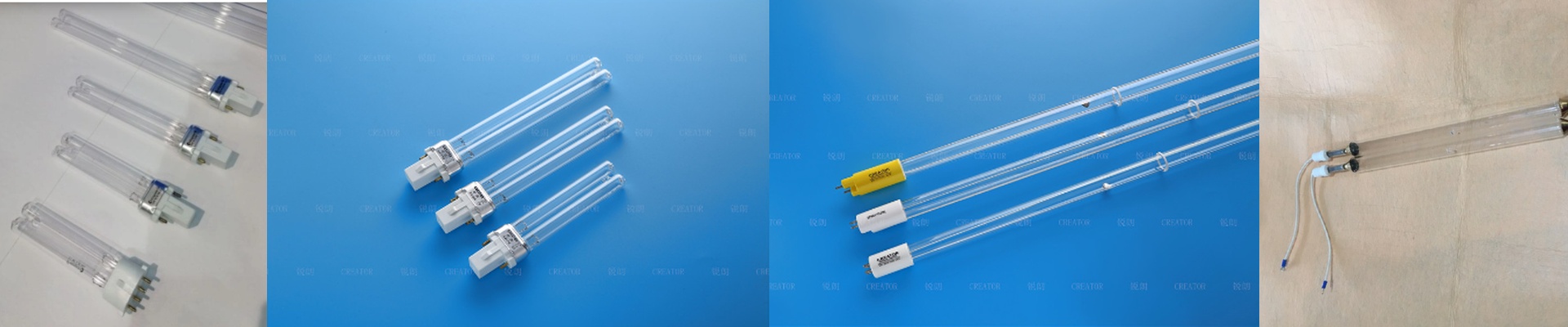
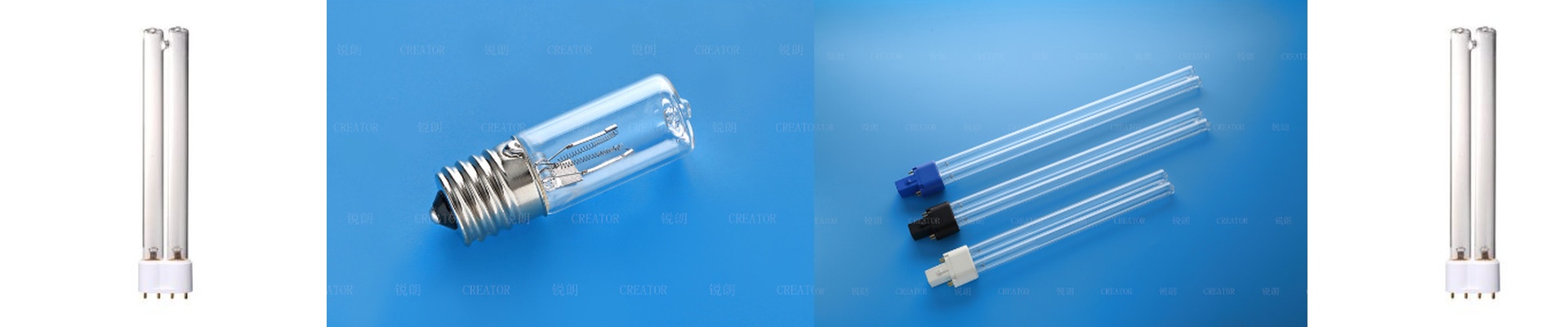
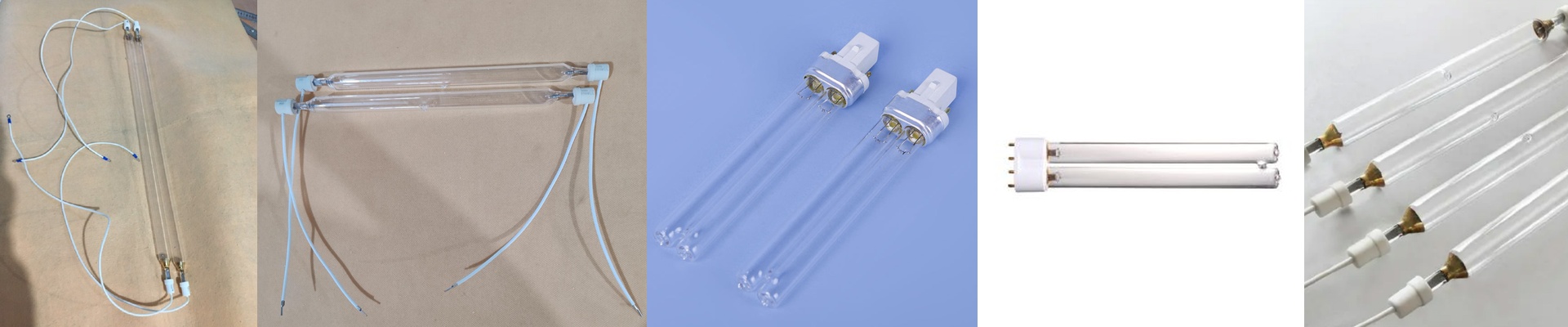
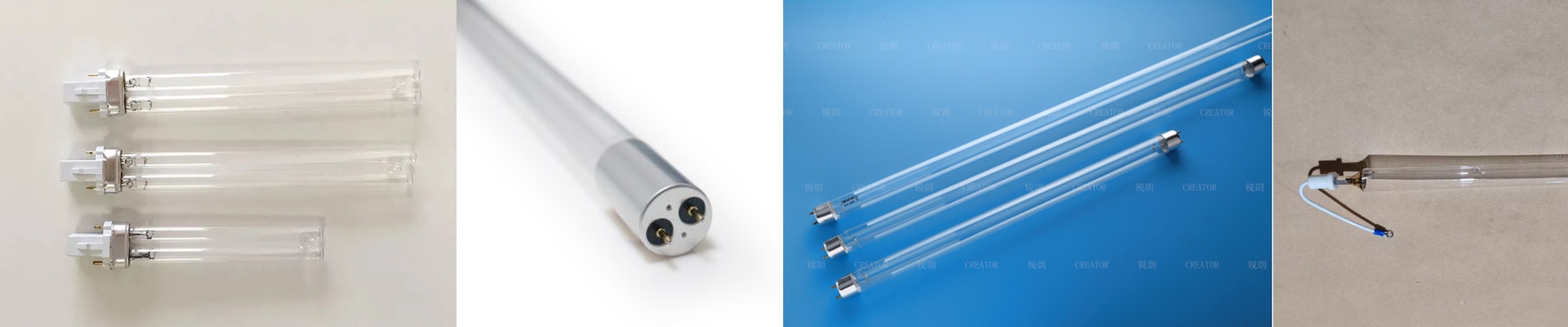
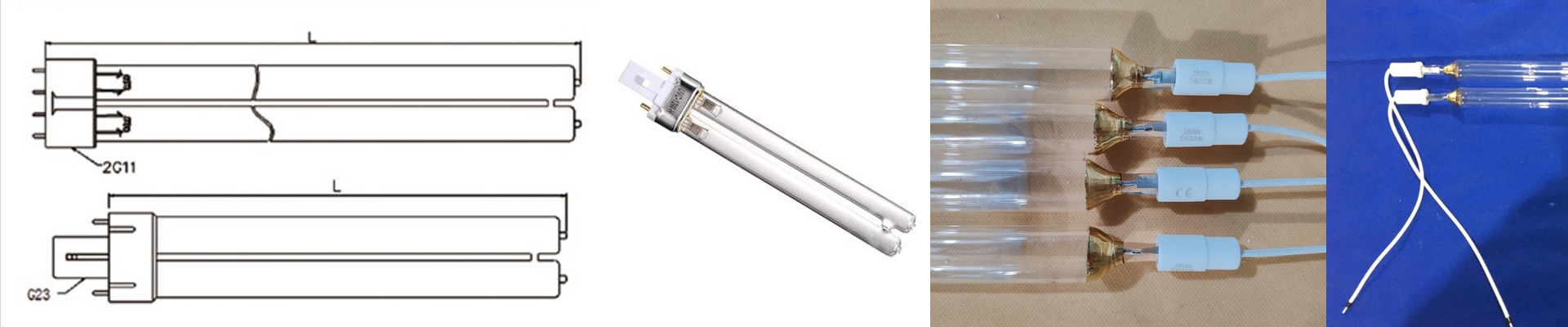
We’re big fans of standardized connectors. It means these are true drop-in replacements. When a tube hits the end of its life, you just swap it. No soldering, no messing around with leads, no wasted hours. But we also know UV lamps gethot. Like, really hot. If your airflow isn’t dialed in, your lamps will drift or just burn out way faster than they should. To fight that, we use high-transmittance quartz glass. It keeps the UV output strong without letting the housing choke the light.
The Bottom Line: Cost vs. Speed
We handle everything ourselves—from sourcing the quartz to putting together the ballasts. Since we cut out the middlemen, you get factory-direct pricing. You aren’t paying a markup for some distributor; you’re just paying for high-purity gas and precision electrodes. Now, there is a trade-off you should know about. If you crank up the UV output, your cure times drop and your speed goes up. That’s great for your deadlines, but it puts more stress on your cooling fans and means you’ll be swapping bulbs more often. It’s all about finding that sweet spot between how fast you want your line to move and how often you want to do maintenance. Find that balance, and your cost per unit stays low.