Using UV-C in Your Textile Mill: From Raw Fiber to the Final Stitch
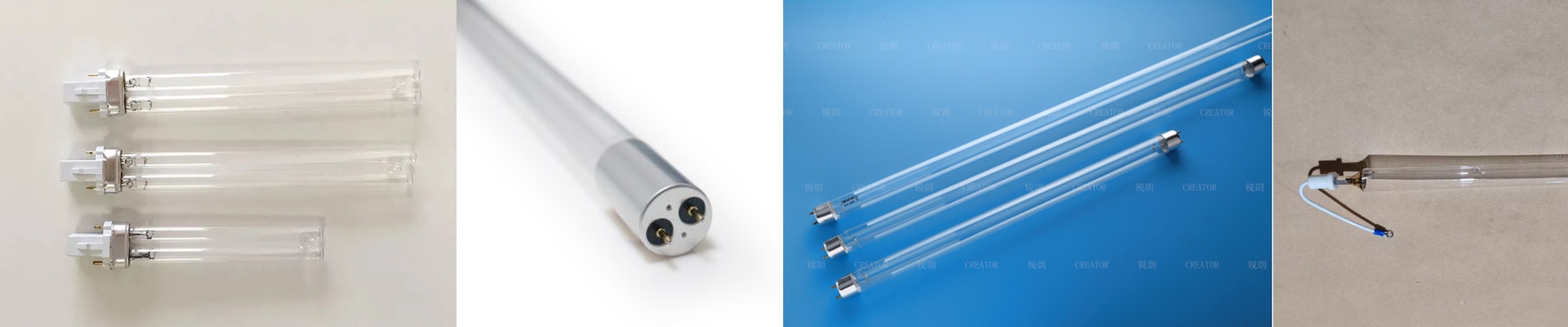
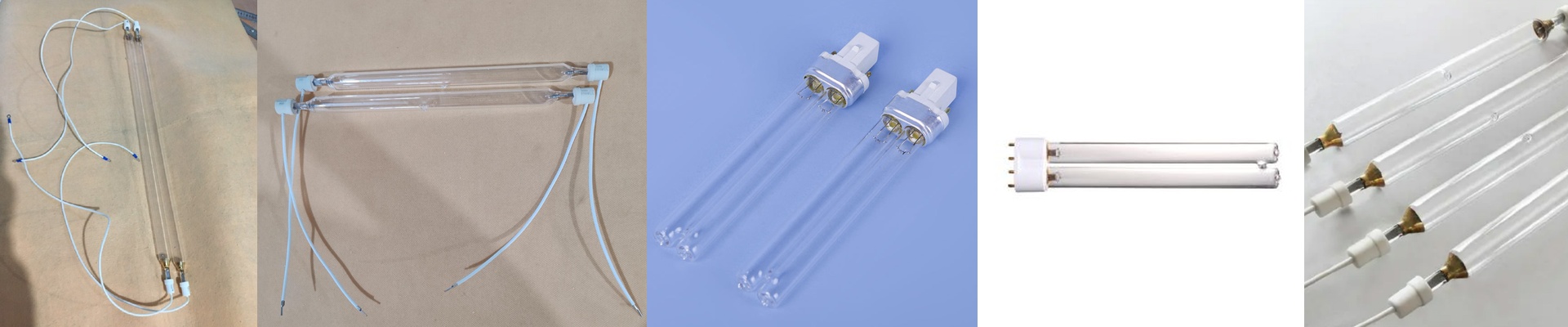
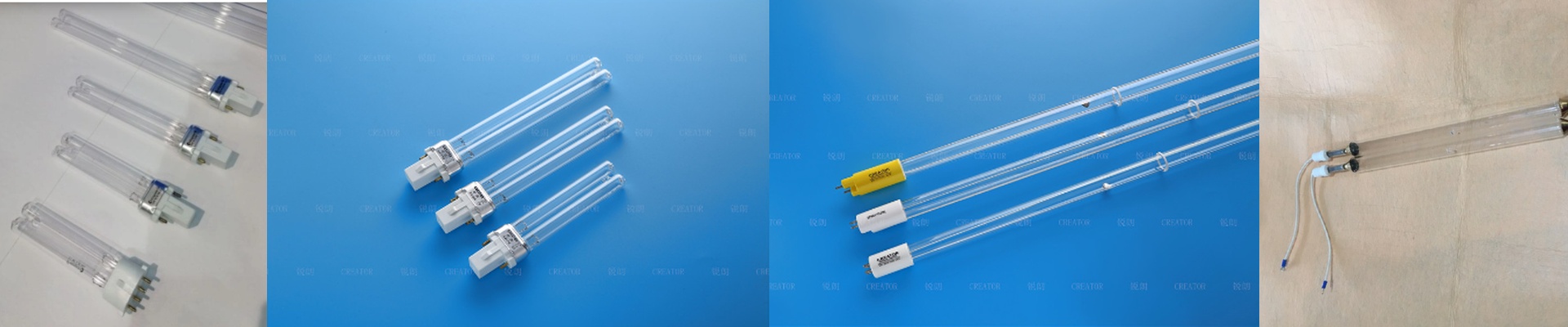
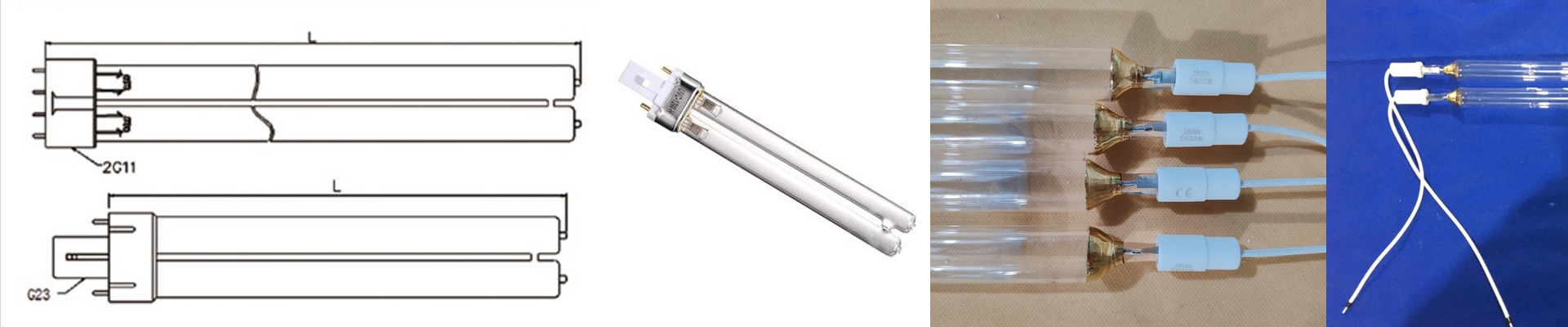
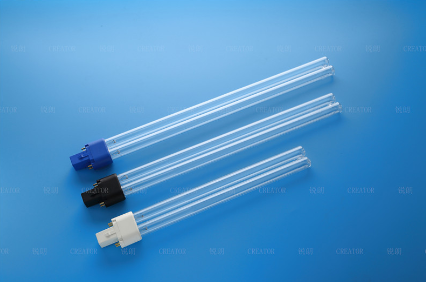
Most people think UV germicidal lamps belong in a sterile hospital wing. But in the world of textiles? They’re a lifesaver. We use these lamps to wipe out bacteria, fungi, and viruses at pretty much every step of the process. You can put them in your raw material warehouses to stop mold from eating your natural fibers, or right at the end of the line to make sure a garment is totally clean before it’s bagged and shipped to a store. The science part (kept simple) Here’s how it works: we use a specific 254nm wavelength that basically breaks the DNA of germs. To make that happen, you need a mercury-vapor discharge and a very specific quartz envelope. But here is the trick: you have to match your wattage to your conveyor speed. If your fabric is flying through the system too fast, the UV dose drops. You’ll end up with live contaminants still clinging to the cloth, which defeats the whole purpose. Keeping your team safe Let’s be real—high-intensity UV-C is dangerous. If you look at it or touch it, you’re looking at skin burns and retina damage in a matter of seconds. That’s why we don’t just “place” these lamps; we build them into shielded systems with interlock switches. If a tech opens a curing chamber, the power cuts out instantly. No accidents. We also stick to ozone-free quartz. Nobody wants their workers coughing because of respiratory irritation. One more thing to watch out for: heat. These lamps get hot. If you cram them into a housing without any airflow, the tube temperature spikes and your UV output tanks. Plus, the bulbs won’t last nearly as long. Putting it into practice During dyeing and finishing, these lamps are great for stabilizing certain chemical coatings. When it comes to the finished clothes, we usually go with tunnel-style arrays. The garment passes under a grid of lamps, ensuring every single fold and crease gets hit. It’s a huge relief compared to using chemical disinfectants. No weird smells, no sticky residues, and nothing for the customer to complain about. Just keep an eye on the lamp hours. When the mercury starts to deplete, the light might still look blue, but it’s not actually killing anything anymore. Time for a swap.