Getting the Most Out of Your UV/IR Lamps Without Overpaying
When you’re buying UV or IR lamps in bulk, it’s easy to think you’re just paying for a piece of glass. But it’s more than that. You’re paying for how pure that quartz is and how precisely the filament was wound. We handle the entire supply chain ourselves. Why? Because we wanted to cut out the middlemen and their markups. We care about the physics of the tube, not some fancy brand name.
The Deal With Quartz and Shape
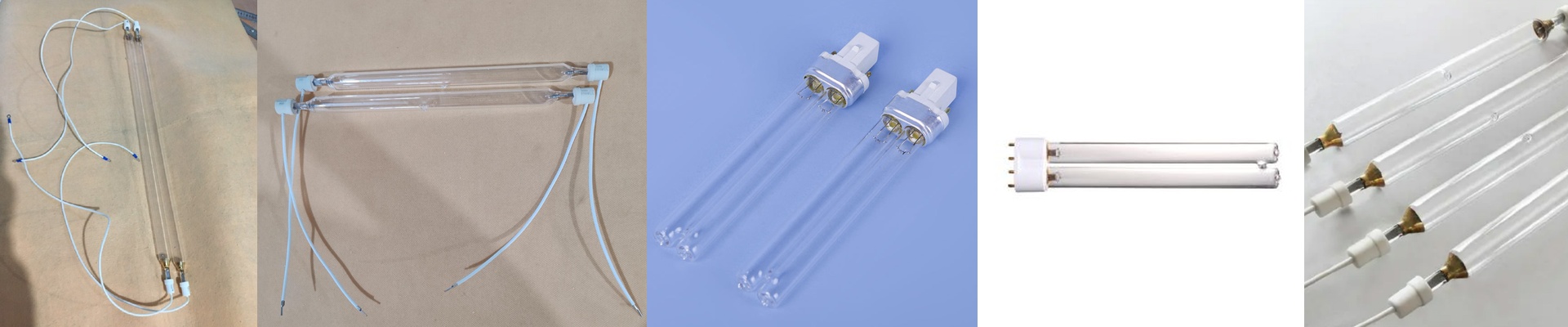
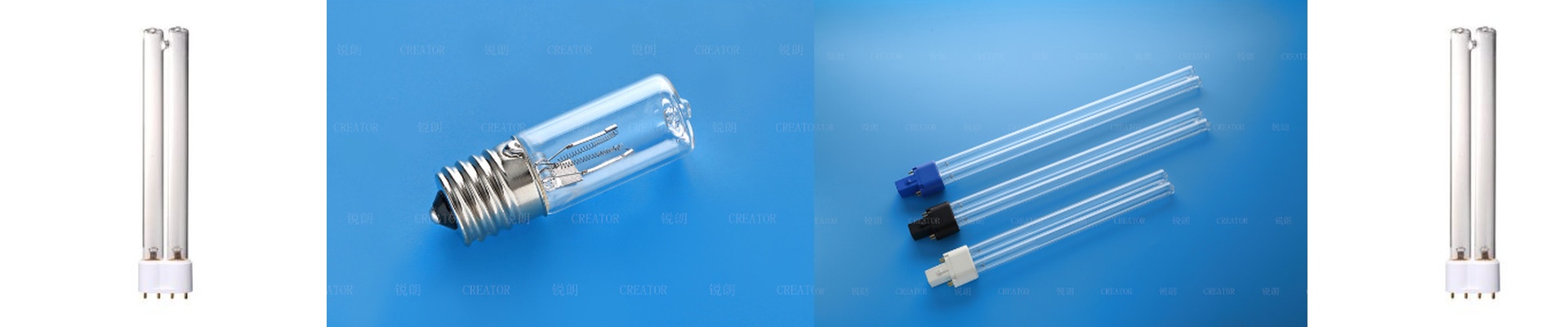
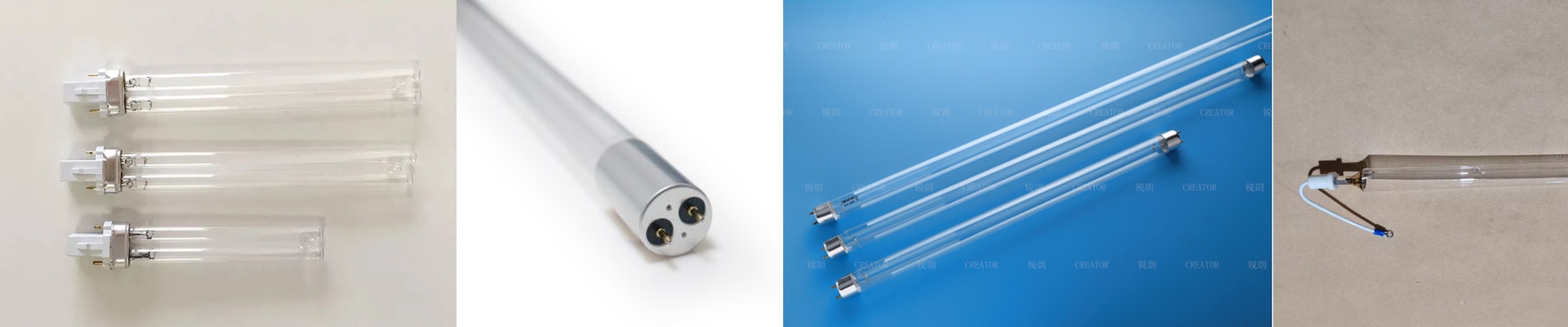
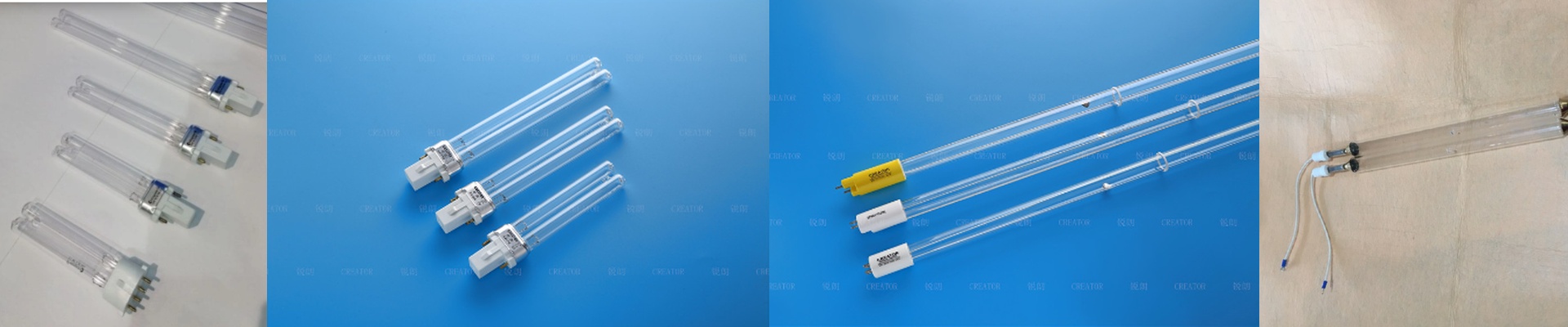
We stick to high-purity fused quartz because it lets the maximum amount of UV light through. Here’s the problem with cheap glass: it blocks shortwave radiation. To get the same curing results with low-grade stuff, you have to run the lamps hotter. That’s a recipe for disaster because it burns out your filaments way too fast. We also keep a very close eye on the wall thickness of the tube. If the wall is too thin, you get great UV output, but the tube becomes fragile. If it’s too thick, you lose power. We’ve found that sweet spot where the lamps are efficient but can still take a bit of a beating during installation without cracking.
Power, Heat, and the Trade-offs
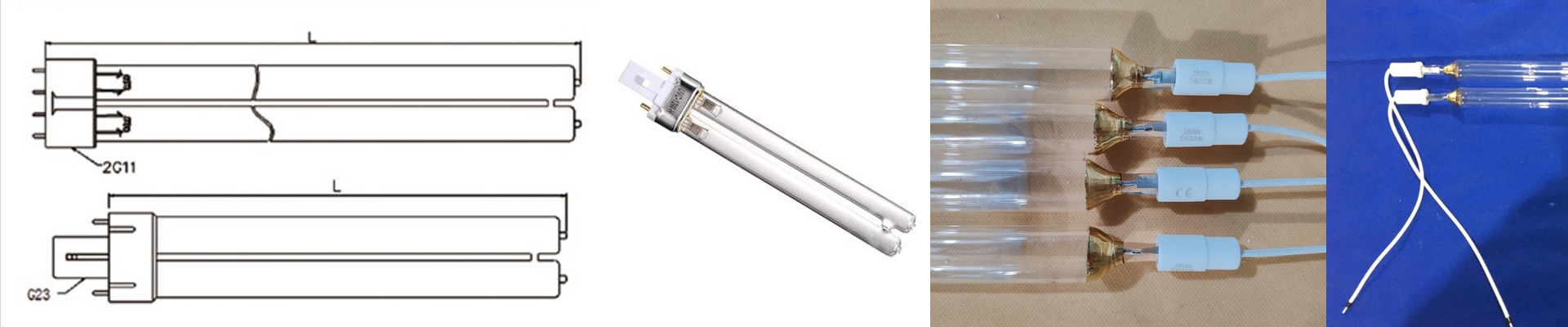
Our tubes are built to fit right into industrial setups. Whether you’re running massive arrays or small curing lines, getting the voltage match right is everything. I’ve seen people push a lamp past its rated voltage just to speed up a production line. Don’t do that. You’ll kill the tungsten filament in no time. To make your life easier, we offer a bunch of different connectors—everything from standard pinch-seals to specialized ends. You can just drop them in and get back to work without having to rewire your entire rack.
Why Doing Everything In-House Matters
Since we own the whole production line, we don’t outsource the coating or the sealing. That’s where the real savings happen. There’s no waiting around for a quartz blower to ship parts to an electrical tester. Everything happens under one roof, which means every batch you get has the same spectral output. No surprises. One last thing: high-output UV lamps gethot. Really hot. Just make sure your cooling fans and shielding are up to the task. If the quartz overheats, it loses its strength over time, and nobody wants that.