Why we build our own UV curing systems
When you’re dealing with UV curing, it all comes down to one thing: getting the right amount of light to hit your ink or adhesive so it actually sets. Most people just buy a random assembly and hope for the best. We do things differently. We handle everything—from blowing the quartz tubes to wiring the ballasts. Why? Because when you control the whole process, you stop paying for “brand name” markups and start getting a system that actually works.
Getting the power right
Here is the thing about wattage: it’s all about your line speed. If you need to crank up the conveyor and keep things moving fast, you need more photons hitting the surface to ensure the cure goes deep enough. But there’s a catch. If you go for high-intensity output, you’re creating a lot of heat. If your cooling fans can’t keep up, your lamps are going to burn out way faster than they should. It’s a balancing act.
The nuts and bolts
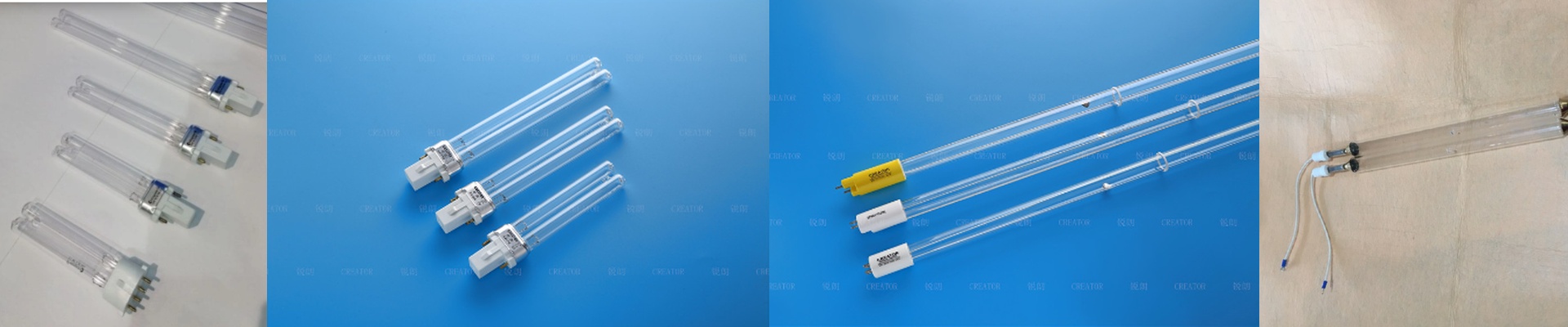
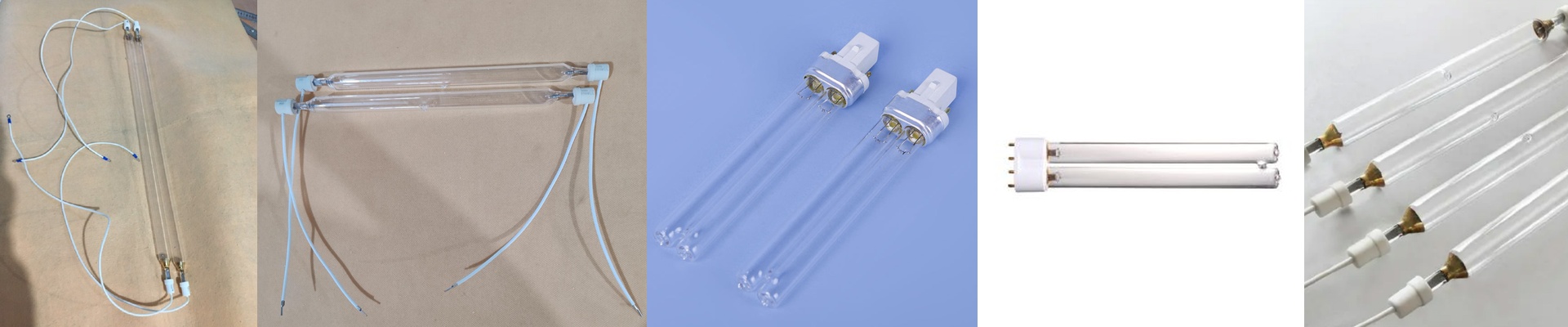
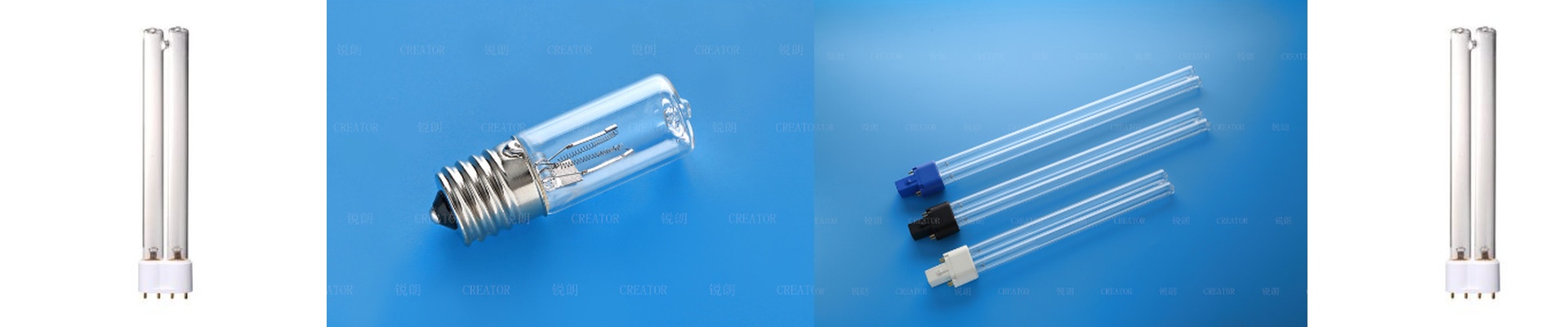
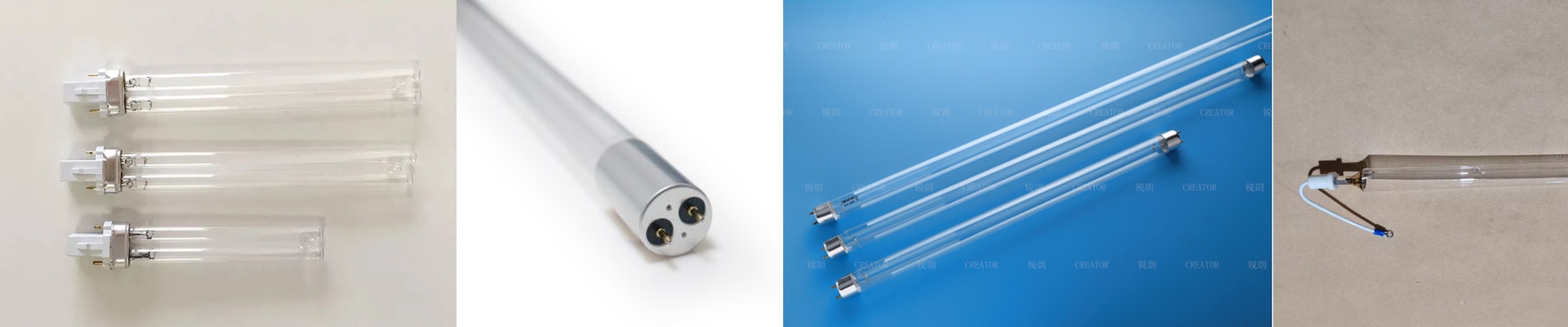
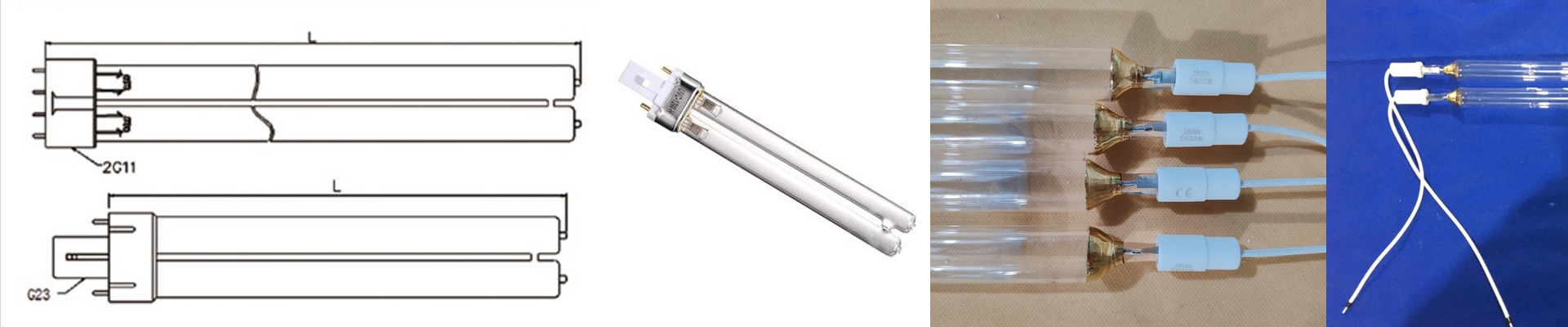
We use high-purity fused quartz for the envelopes. It sounds fancy, but it basically just means the UV light gets through without getting blocked. We also kept the design modular. We use standard connectors, so when a tube finally dies, your maintenance team can just pop a new one in. No rewiring the whole rack. No headaches. Just a quick swap and you’re back in business. Plus, we spent a lot of time on the electrode chemistry. You know that “end-blackening” that happens to old bulbs? That usually kills the light long before the filament actually snaps. We’ve worked to push that back.
The real-world trade-off
These systems are perfect for the heavy lifting—think PCB coatings or automotive parts. Since we make the tubes and reflectors ourselves, we can give you the power you need (the mW/cm²) without the eye-watering price tag. Just keep in mind: you can’t have it all. If you run your lamps at max intensity to chew through a massive workload, they won’t last as long. You just have to decide if you’d rather have maximum speed today or fewer lamp changes next month.