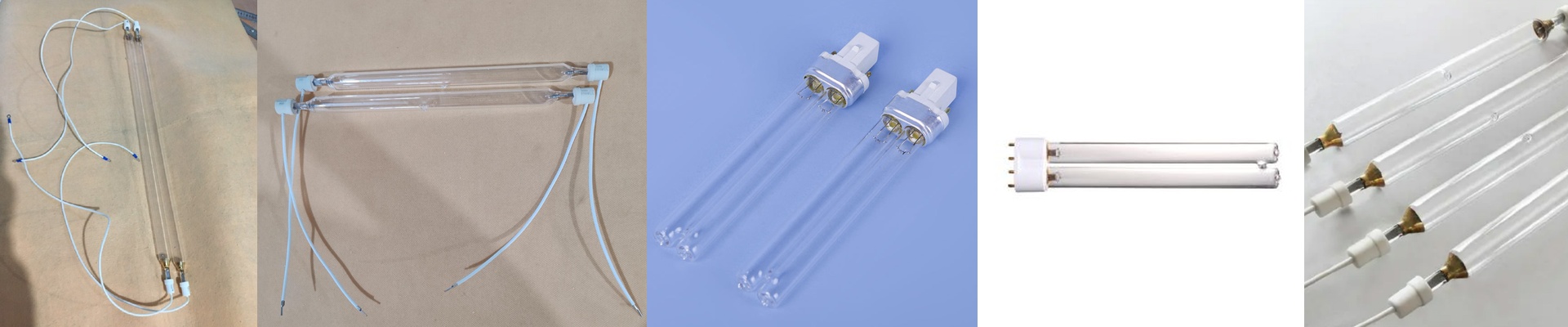
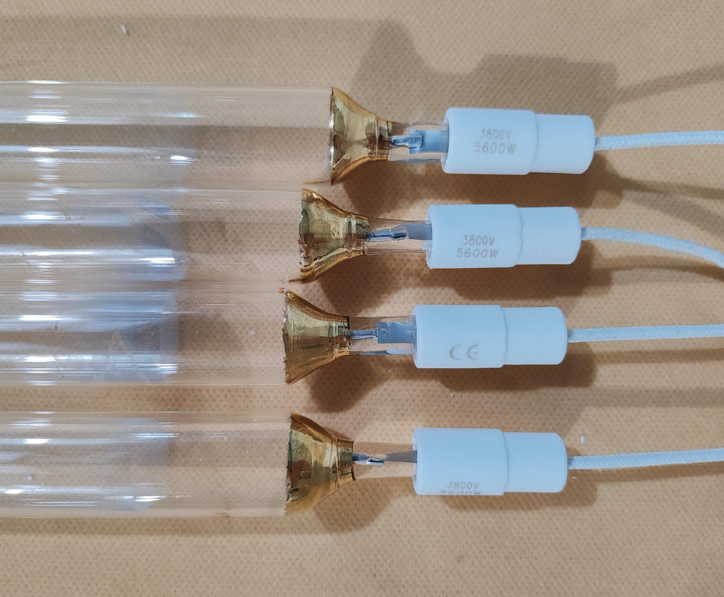
Why “Generic” UV Lamps Are a Massive Gamble
When you’re sourcing UV sterilization or curing lamps for export, looking at the spec sheet is only half the job. The real headache? The intellectual property (IP) hiding inside the glass. I’ve seen it happen way too often. A buyer orders a batch of “generic” lamps, everything looks great on paper, and then—bam—customs seizes the entire shipment. Why? Because those lamps used a patented electrode design or a quartz coating that belonged to someone else. Suddenly, your inventory isn’t an asset. It’s a legal nightmare.
The Hidden Trap of the “Same-Looking” Lamp
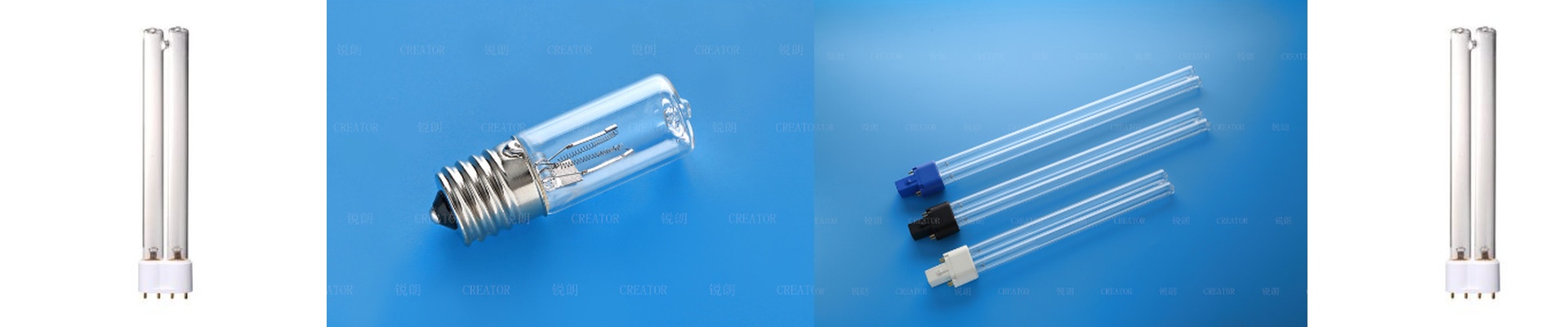
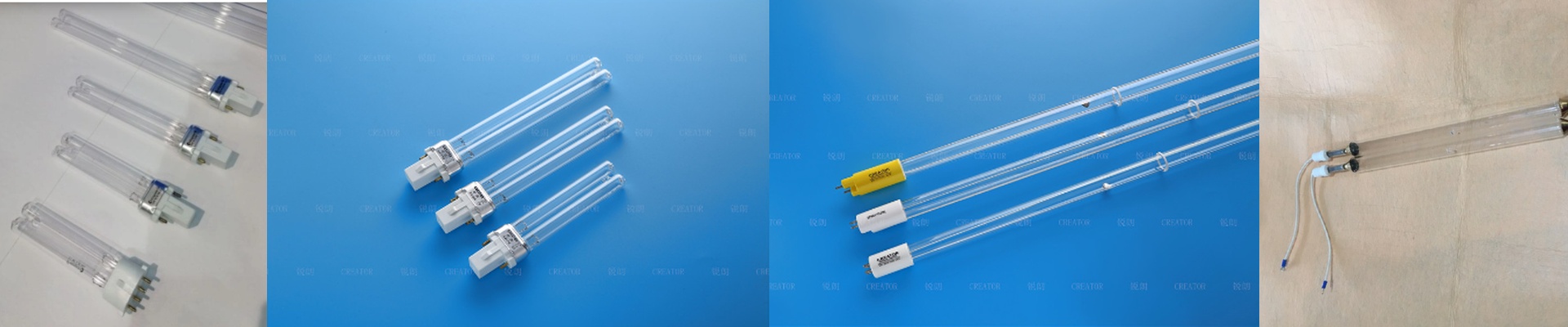
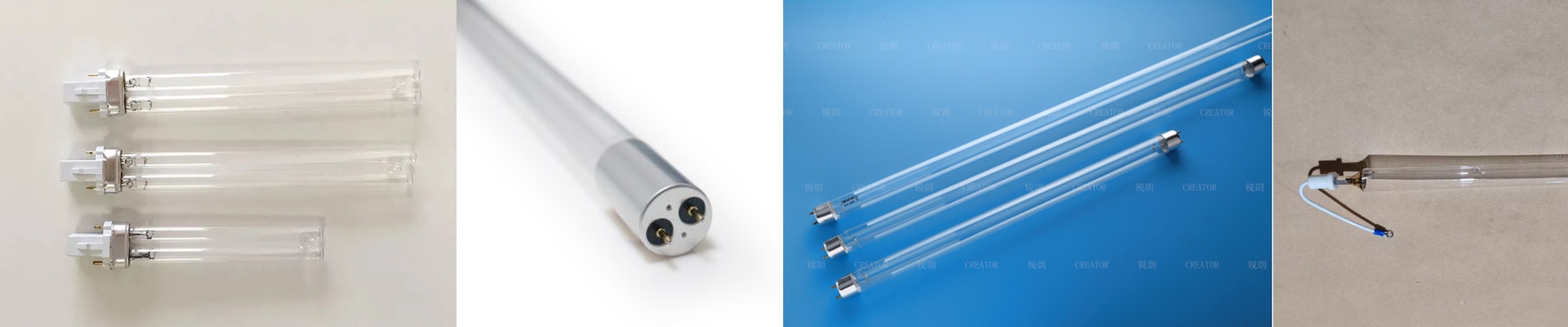
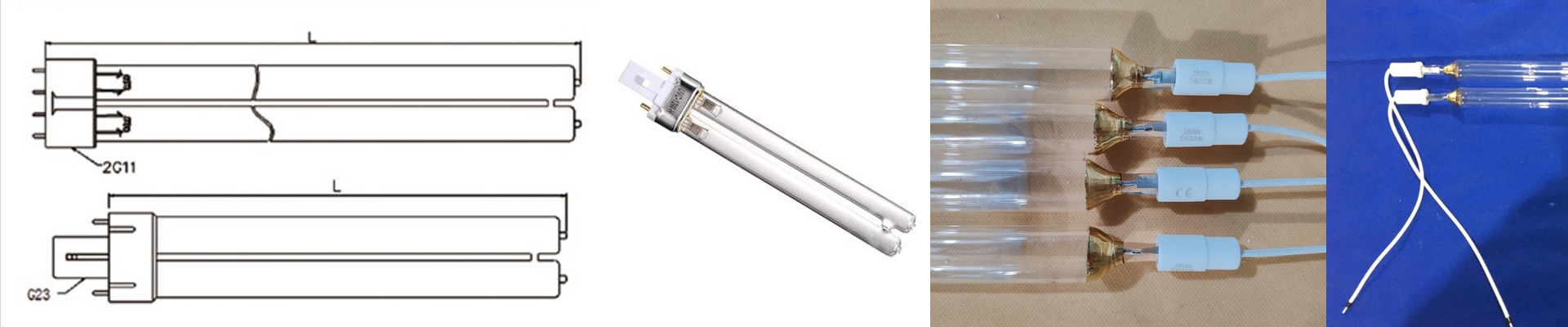
Here’s the thing: almost all UV lamps look identical from the outside. But inside, it’s a different story. The way the phosphor is coated and the specific gas mix used to hit that UV-C spectrum are often guarded by strict patents. If your supplier is just copying a design they don’t own, you’re basically importing a lawsuit. We do things differently. We use our own proprietary patents to make sure the wavelength stays exactly where it needs to be. A shift of just a few nanometers might seem tiny, but it’s the difference between a lamp that actually sterilizes and one that’s just a fancy lightbulb. You want a partner who can actually hand over the paperwork proving the tech is clear for your market.
The Heat Struggle
High-intensity curing is always a balancing act. If you cram more wattage into a smaller space, you get faster curing. Great, right? But there’s a catch: the temperature spikes. If the lamp runs too hot, the quartz tube can warp or the ends just burn out. You’ve got to build your cooling system around the actual heat the lamp puts out. If you’re running a high-wattage array, please, don’t skimp on the fans or the water-cooling jackets. It’s just not worth the risk.
Sleeping Better at Night
When we own the IP, we control everything—from the moment the quartz is pulled to the final seal. That means you don’t have to worry about “patent trolls” or legitimate owners blocking your goods at the border. Your hardware actually stays your hardware. It makes global trade a lot less stressful.