


The Hidden Headache of Sourcing UV Lamps
When you’re picking out UV lamps for a product you’re selling globally, you aren’t just shopping for a bulb. You’re basically buying the legal right to sell your hardware without getting sued. Here is the reality: if you go with a supplier who doesn’t own their own patents, you’re gambling. One bad day at customs and your entire shipment could be seized. Or worse, you get a legal notice from a competitor claiming you stole their tech. Not a great way to start a quarter.
Why the “Small Stuff” Actually Matters
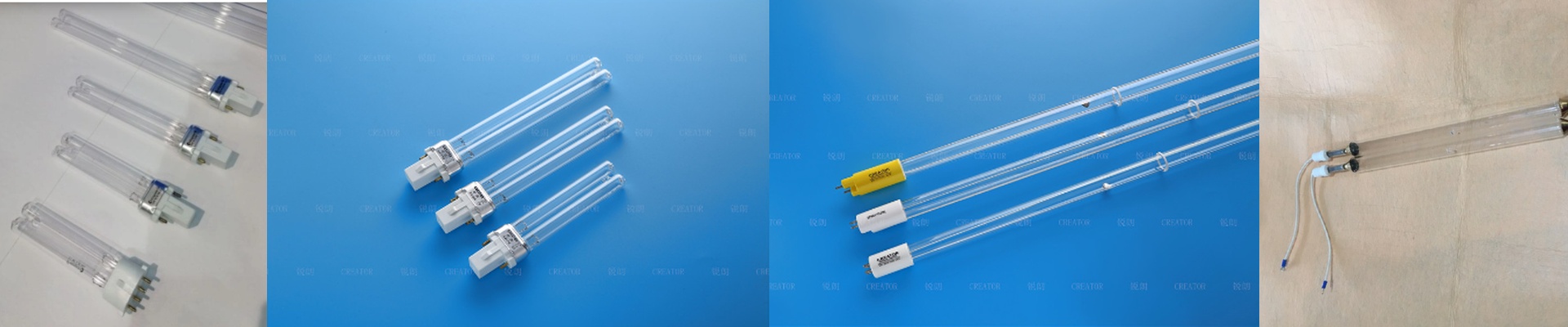
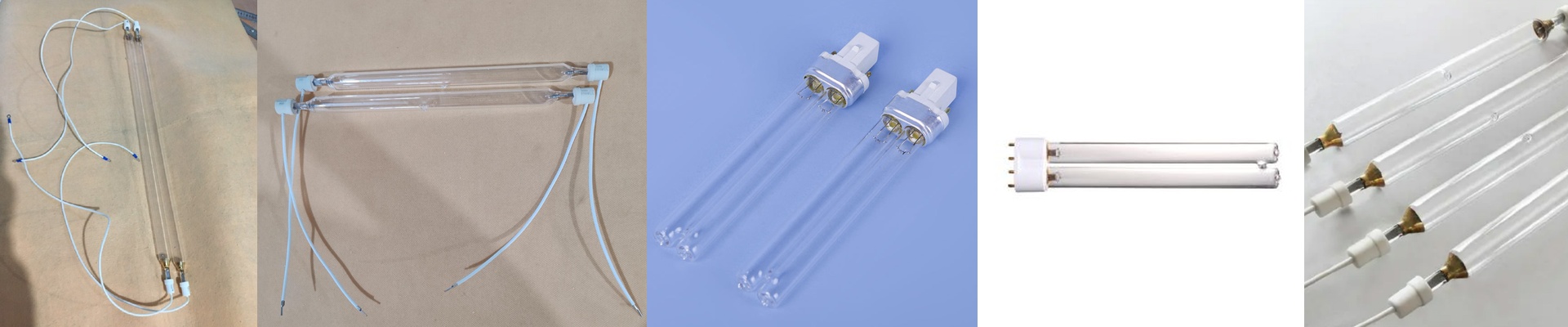
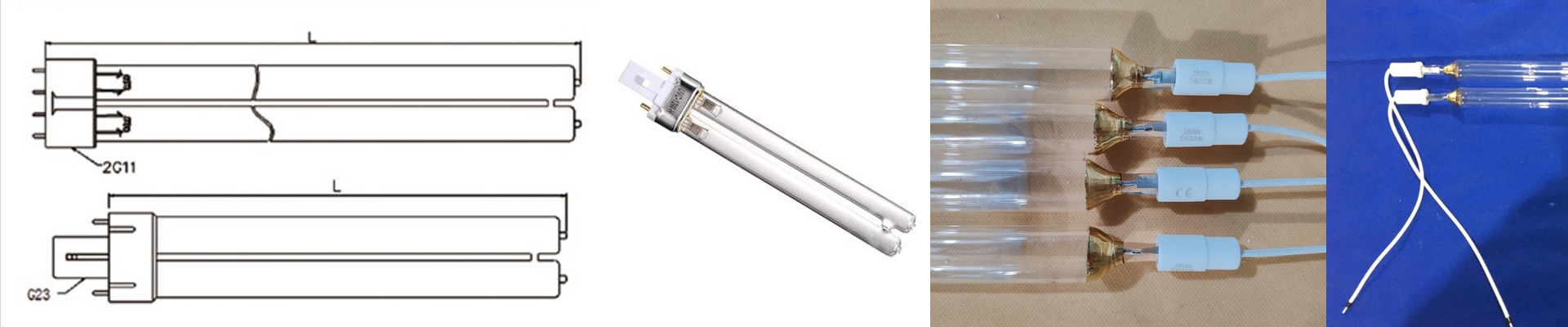
UV lamps look simple from the outside, but the magic is all in the chemistry of the quartz and how the electrodes are shaped. We spend a lot of time obsessing over our own designs. We do this so we can nail that specific 254nm wavelength for germicidal work or the shorter waves needed for industrial curing. If a supplier is just cloning a generic design, they can’t really promise the lamp will last or that the arc will stay stable. We focus heavily on the gas mixture and the electrode materials. Why? Because nobody wants a lamp that burns out way too early. It’s about making sure the light is just as strong at the end of the tube as it is at the beginning.
Avoiding the Patent Trap
International trade laws are a nightmare. If your OEM partner “borrowed” their tech from someone else, you’re the one on the hook when the goods hit the border. Working with someone who actually owns their patents keeps the whole chain clean. We give you all the paperwork to prove the tech is original. It’s basically a safety net. It keeps the “patent trolls” away and stops competitors from trying to block your brand from the market.
The Heat Problem
Here’s the thing: high-output UV lamps get hot. Really hot. Our designs are built to pump out maximum UVC, but that energy density means you have to be smart about your cooling. If your fans or heat sinks aren’t up to the task, the quartz will stress and the lamp life will tank. We don’t just ship you a part and wish you luck. We’ll sit down with you and figure out the right balance between the wattage and how your machine handles heat. That way, nothing melts and everything lasts.